
Veterinary Surgery & Soft Tissue Surgery in Newark, NJ
Soft tissue surgery planning for dogs and cats in Newark, Ironbound, Harrison, and nearby North Jersey communities.
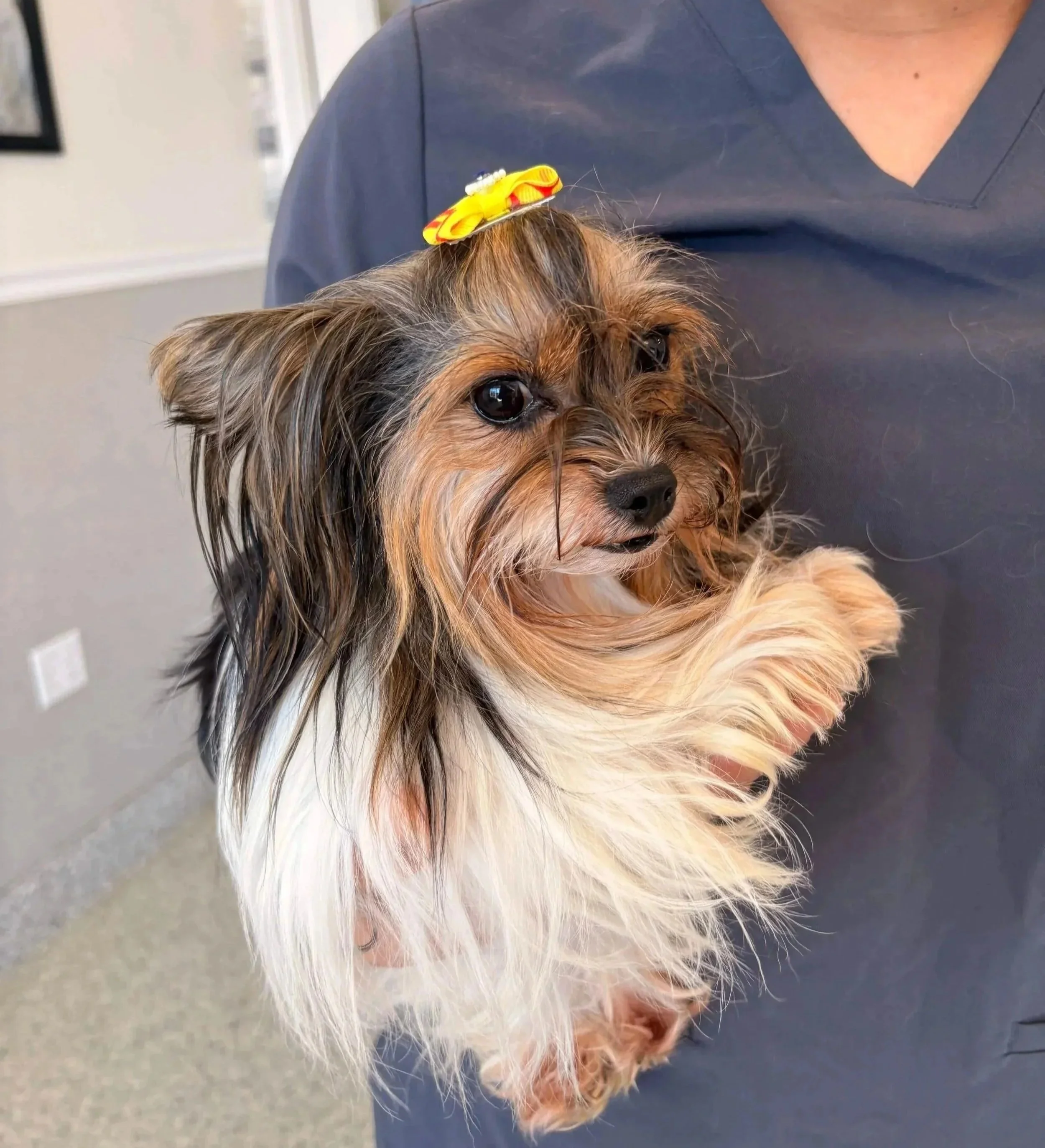
At the Veterinarian Pet Alliance, we provide veterinary surgery and soft tissue surgery in Newark, NJ, for dogs and cats when a surgical procedure is appropriate for our hospital. Our veterinary team will evaluate your pet's condition, review health history and medications, discuss recommended diagnostics, and explain whether surgery, medical management, or referral is the right path.
Does your dog or cat have a lump, wound, swelling, or painful area that has you worried? When your pet may need surgery, you need more than a procedure name. You need a veterinarian who can examine your pet, explain what is happening, discuss the safest next step, and help you understand what recovery may look like at home.
Not sure whether your pet needs surgery, a sick pet visit, lab testing, or a referral? Start with an exam. We will help you move from uncertainty to a practical plan.
Veterinary Surgery for Dogs and Cats in Newark, NJ
Is this something a local animal hospital can handle, or does your pet need a specialist? That distinction matters. Some surgical concerns can be handled at a general veterinary hospital. Others need advanced imaging, specialty surgery, overnight monitoring, or emergency care. Our team will examine your pet and tell you when a procedure is appropriate at the Veterinarian Pet Alliance and when referral to a specialty or emergency hospital is the better option.
If you are searching for veterinary surgery in Newark, NJ, you may already be looking at something that feels scary: a growing bump, a wound that will not heal, an abscess, or a problem another veterinarian told you to have checked. Veterinary surgery includes many different types of procedures, from routine planned surgeries to procedures that address injuries, growths, infections, and other soft tissue problems.
If you live in Newark, Ironbound, Downtown Newark, the East Ward, University Heights, Harrison, Kearny, Belleville, Bloomfield, East Orange, North Arlington, or a surrounding North Jersey community, you do not have to guess from photos or online search results. Bring your pet in, tell us what you have noticed, and we will help you understand the next step.
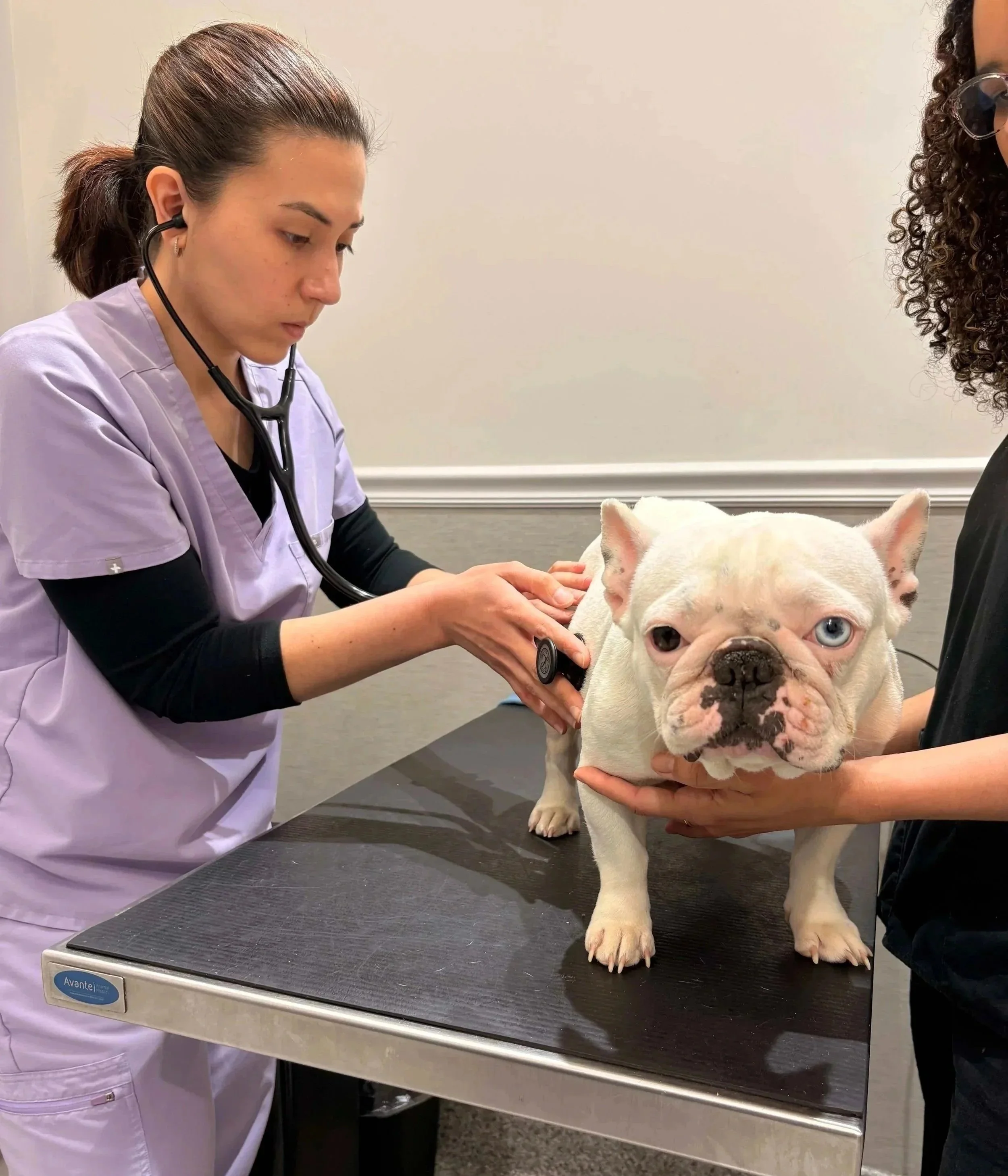
Soft Tissue Surgery for Dogs & Cats in Newark, NJ
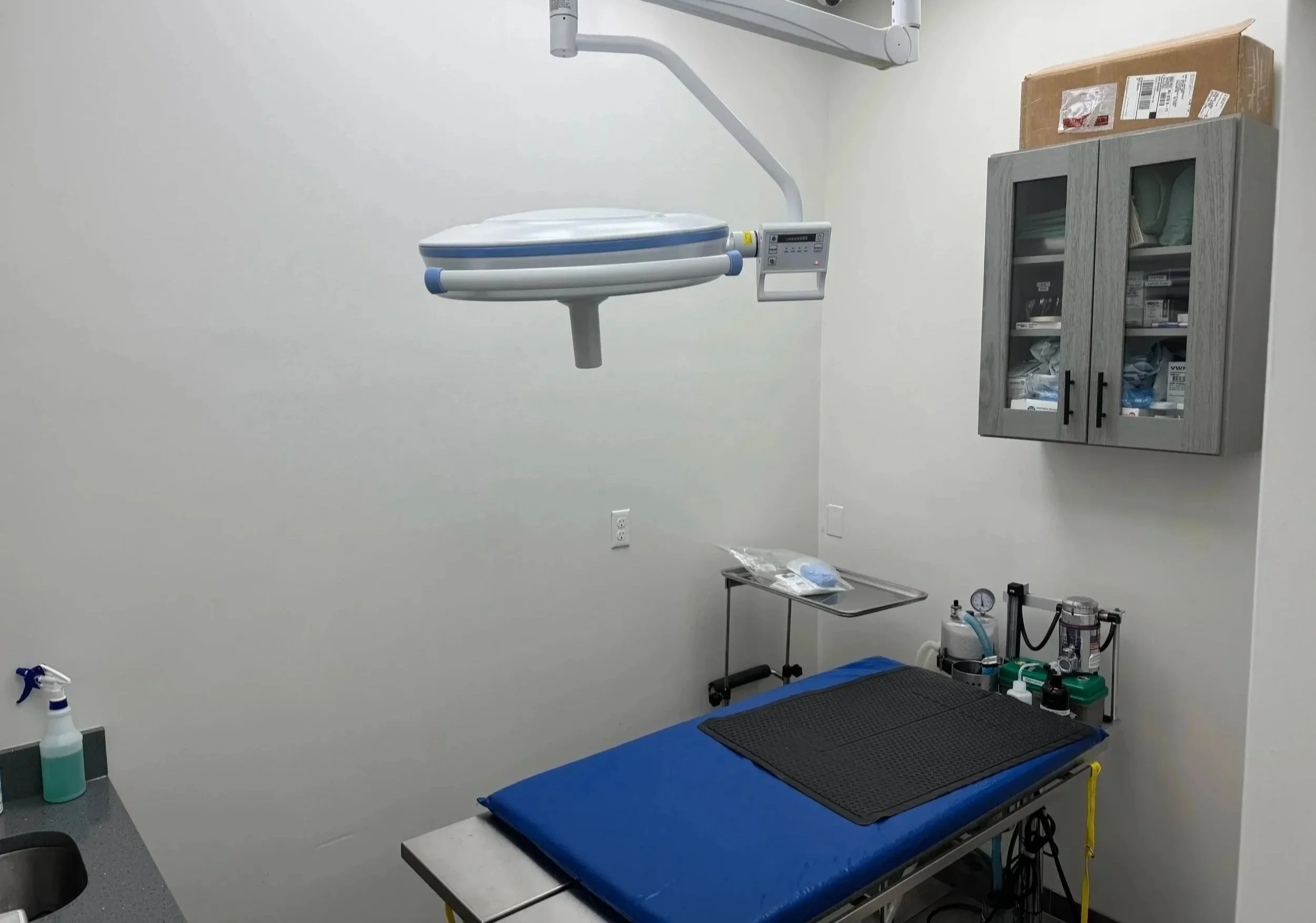
Have you been told your pet may need soft tissue surgery? Soft tissue surgery generally refers to surgery involving areas other than bones, joints, and the spine. In a general veterinary setting, that may include procedures involving the skin, wounds, superficial masses, abscesses, certain reproductive concerns, and other soft tissue conditions when they fall within the hospital's surgical scope.
Not every soft tissue problem is treated the same way. A small skin mass, an infected wound, and a swelling under the skin may look similar when you are checking your pet at home, but they can call for very different diagnostic and treatment plans. That is why a hands-on veterinary exam comes first.
If surgery is recommended, our veterinary team will explain the reason, the preparation needed, the expected home-care responsibilities, and any warning signs that should prompt a call after your pet goes home. You should understand the plan before the procedure day, not piece it together afterward.
When Your Pet May Need a Surgical Evaluation
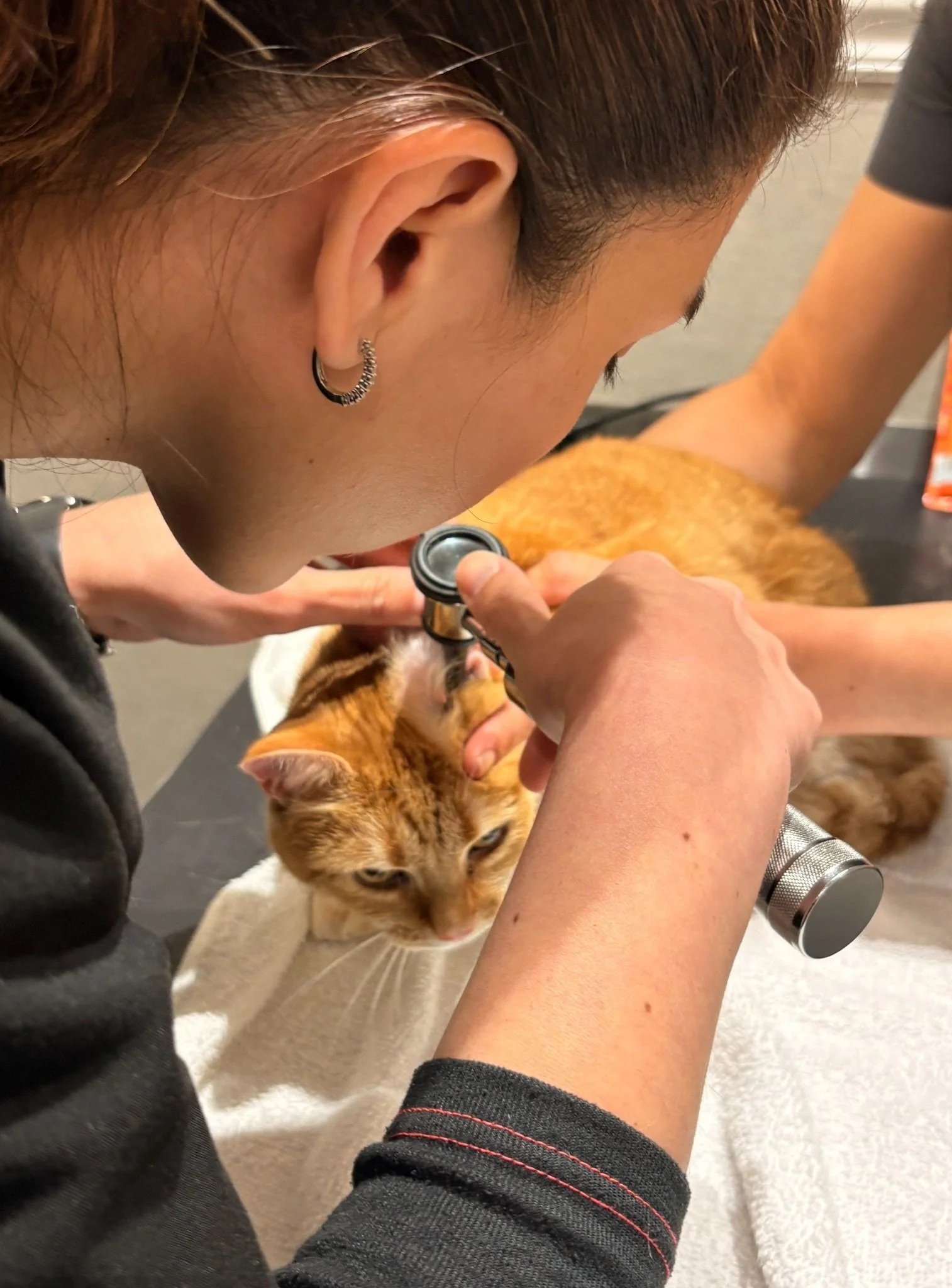
Are you watching a lump get bigger? Did your dog come home with a wound after playing outside? Is your cat hiding, limping, or licking one spot over and over? Some pets need surgery after a sudden injury. Others come in because a lump has grown slowly, a wound is not healing, or a problem keeps returning despite home care.
If something looks painful, infected, swollen, bleeding, or rapidly changing, do not wait and hope it settles on its own. The sooner we examine your pet, the sooner we can tell you whether surgery is likely, whether another treatment may be tried first, or whether a more urgent level of care is needed.
Skin lumps, bumps, or masses
Wounds, cuts, or bite injuries
Abscesses or infected swellings
Cysts or growths that rupture, bleed, or become irritated
Foreign material under the skin or in a wound
Hernia concerns
Recurrent soft tissue infections
Surgical follow-up after an urgent or emergency visit
A condition previously identified by another veterinarian
A surgical evaluation may be appropriate for concerns such as:
This list is not a diagnosis, and it is not a promise that every procedure can be performed at our hospital. It is a starting point for knowing when to stop wondering and schedule an exam. Once we examine your dog or cat, we can explain what we are seeing and whether pet surgery should be considered.
Dog Surgery in Newark & Ironbound, NJ
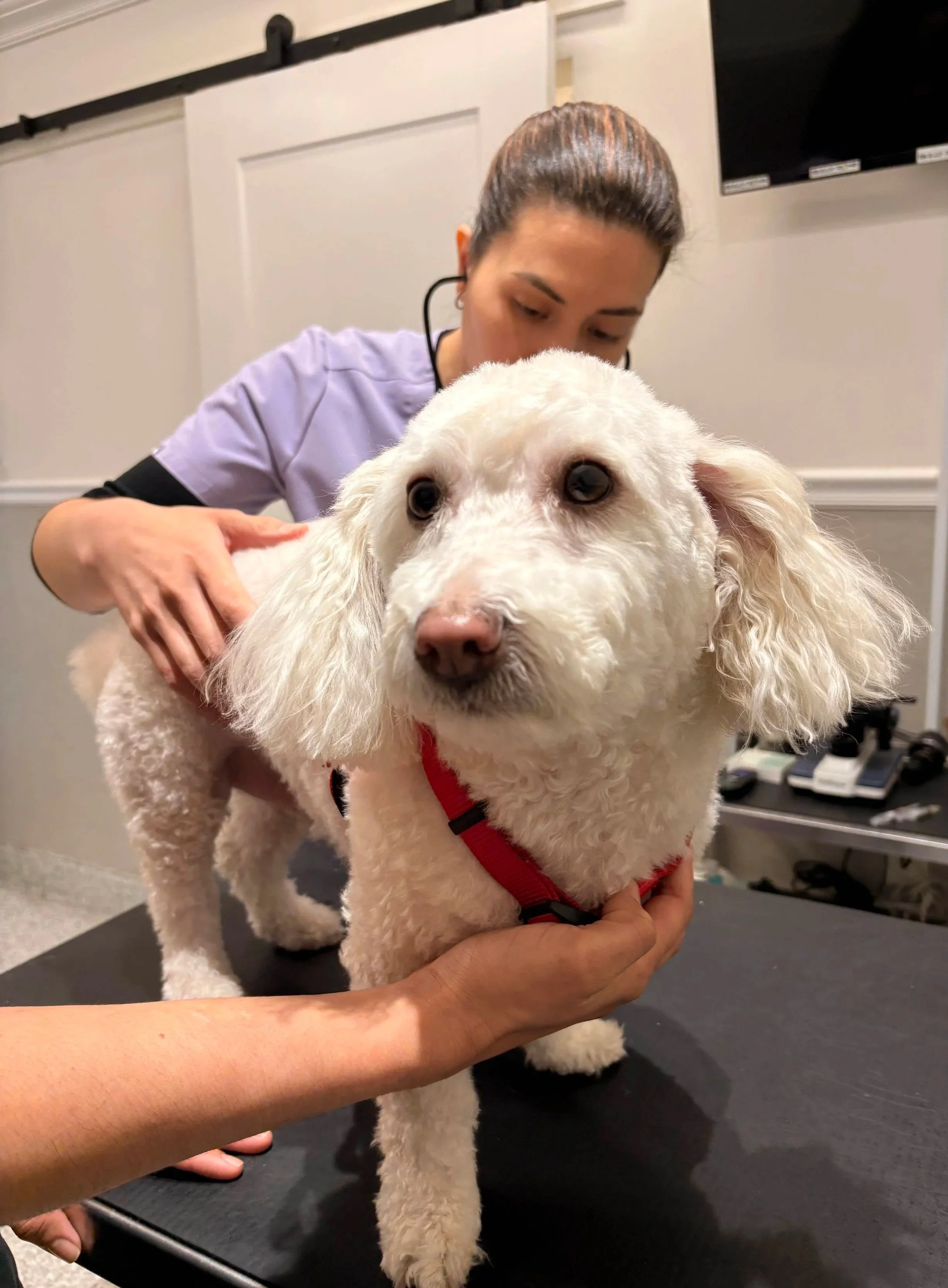
Is your dog licking a lump, limping after an injury, or developing swelling that was not there before? Dogs can need soft tissue surgery for many reasons, including skin masses, wounds, abscesses, traumatic injuries, and other conditions that affect soft tissues. Some issues are obvious right away. Others are easy to overlook until your dog starts licking one area, limping, acting painful, or developing drainage or odor.
Has your dog had anesthesia before? Does your dog take medication or have a heart, liver, kidney, endocrine, respiratory, or seizure history? Large dogs, senior dogs, anxious dogs, brachycephalic breeds, and dogs with known medical conditions may need additional planning before anesthesia. Tell us about previous anesthetic reactions, current medications, supplements, appetite changes, coughing, vomiting, diarrhea, seizures, or recent illness. Small details can change the safest plan.
During a dog surgery consultation, our veterinarians will examine the concern, review your dog's age, breed, weight, medications, vaccine status, and health history, and discuss whether testing is recommended before surgery. If the issue involves a mass, we may talk about the difference between monitoring, sampling, removal, and referral, depending on what is medically appropriate.
Cat Surgery in Newark, NJ
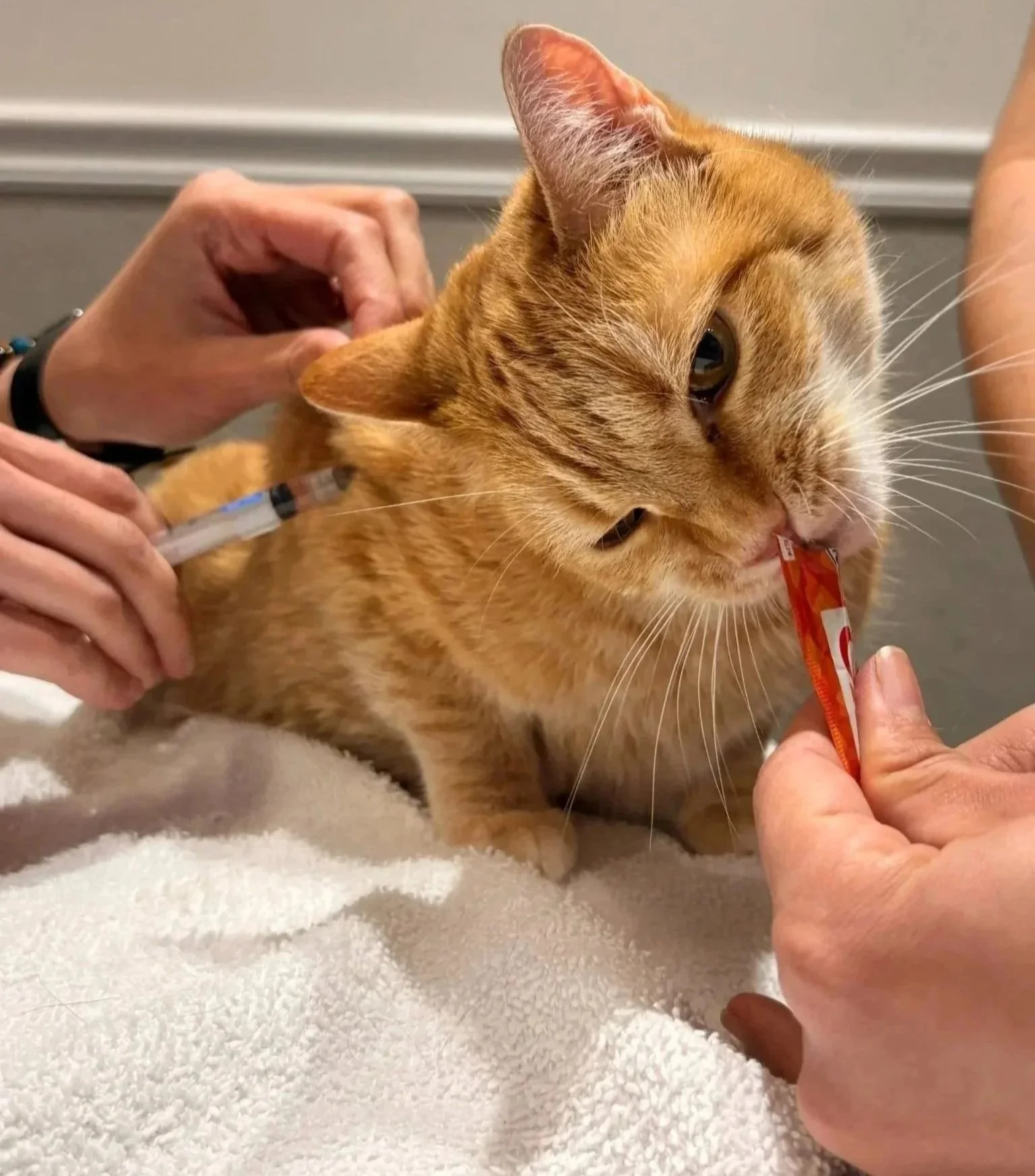
If your cat is acting "off" and you notice swelling, discharge, bleeding, or a new lump, schedule an exam. Cat surgery planning should account for your cat's age, weight, stress level, medical history, and current condition. Cats with unknown vaccine records, recent adoption histories, chronic disease, or appetite changes may need a more careful pre-surgical review before any procedure is scheduled.
Is your cat hiding more, eating less, resisting touch, or suddenly acting irritated when you pick them up? Cats often hide discomfort until a problem becomes hard to ignore. A cat with a painful wound, abscess, mass, or infected area may simply hide more, eat less, resist handling, stop grooming well, or act irritable when touched.
If your cat is difficult to examine at home, do not worry. That is common. Bring what you have noticed, when it started, photos if they help show changes over time, and any medical records available. Our veterinary team will take it from there.
Mass Removal, Wound Repair, and Other Soft Tissue Concerns in Newark, NJ
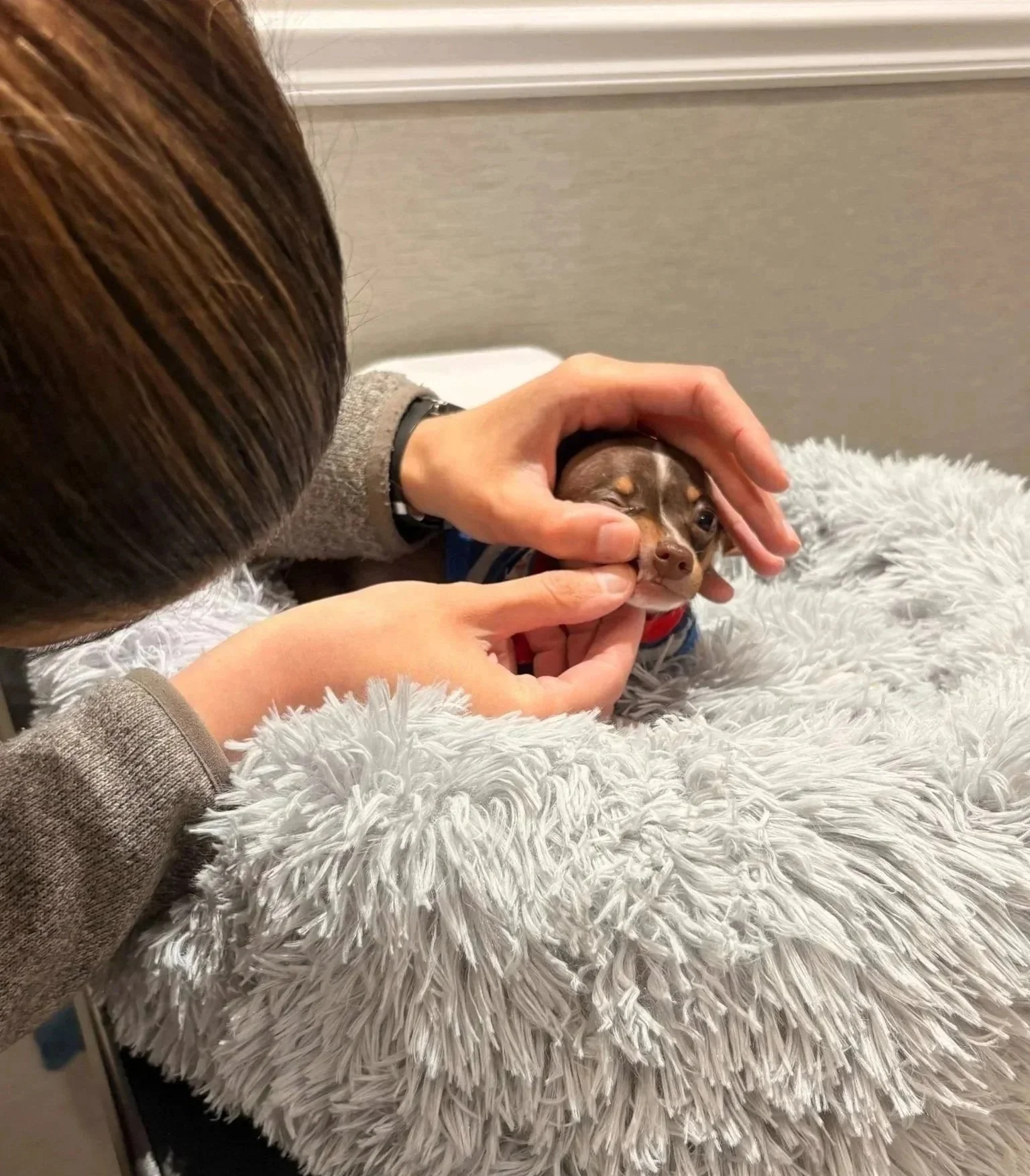
Did you find a lump while petting your dog? Did a small wound turn red, swollen, or painful? Pet owners often search for soft tissue surgery after finding a lump or wound. That search makes sense, but the first question is not always "Can this be removed?" The first question is "What does this look like, how urgent is it, and what information do we need before deciding?"
For your pet's lump or mass, our veterinarians will consider size, location, growth rate, texture, whether the area is painful or irritated, and whether diagnostic sampling or lab review should be discussed. Some masses are monitored, some are sampled, some are removed, and some should be referred because of location, size, suspected behavior, or complexity.
For wounds, abscesses, and infected soft tissue areas, timing matters. A bite wound can seal over at the surface while infection develops underneath. A small cut can become more painful if your pet keeps licking it. If you notice swelling, heat, discharge, odor, bleeding, or your pet repeatedly bothering the area, schedule a sick pet visit or surgical evaluation promptly.
Preparing Your Pet for Surgery in Newark, NJ
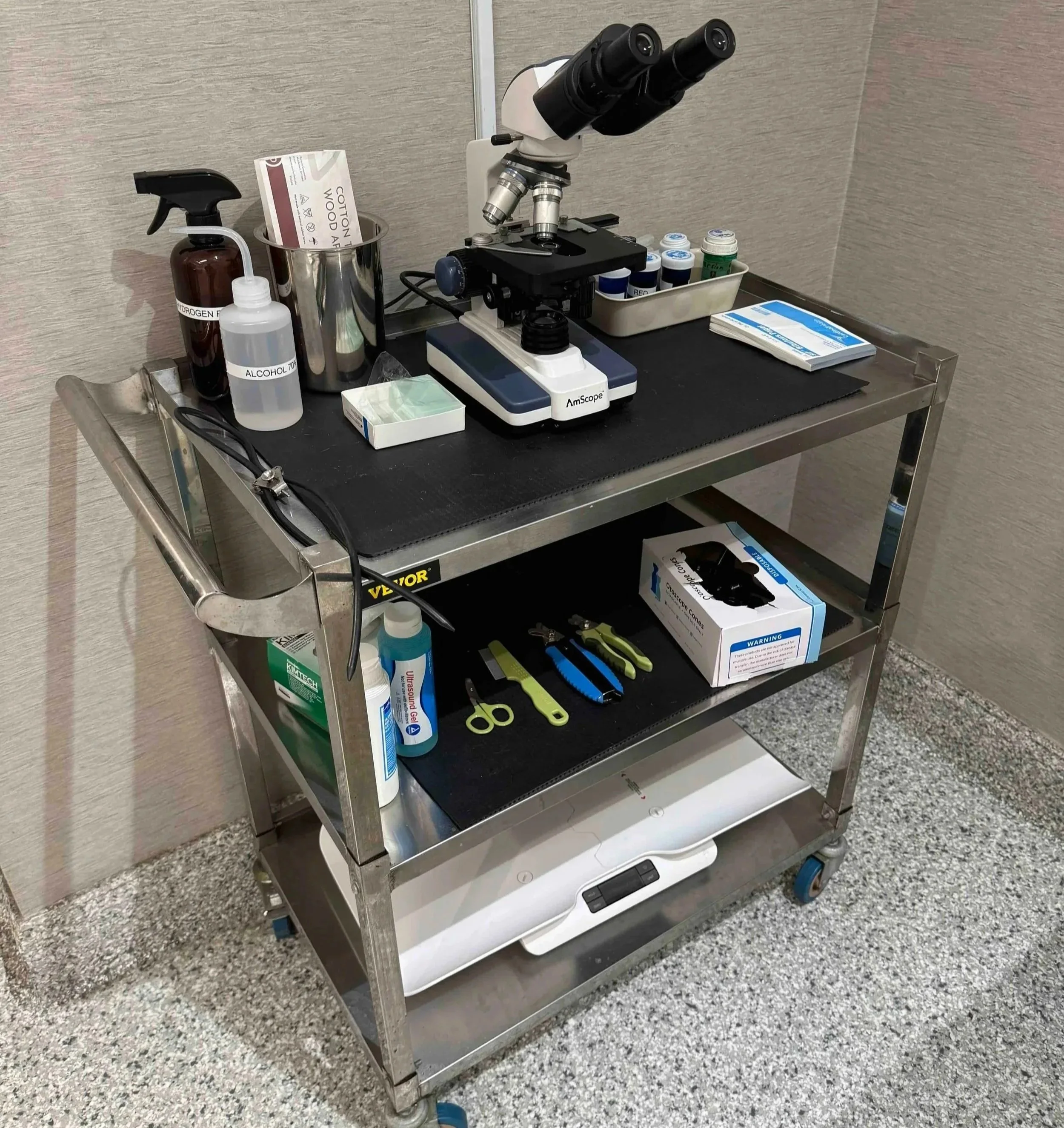
Wondering what you need to do before your pet's surgery day? Good surgical care begins before the procedure date. Preparation helps the veterinary team understand your pet's health, identify concerns that may affect anesthesia, and give you clear instructions for the day of surgery.
Depending on your pet and the planned procedure, preparation may include:
A current physical examination
Review of medical records, medications, supplements, and allergies
Pre-surgical bloodwork or lab testing when recommended
Discussion of vaccine status and current health concerns
Specific food and water instructions
A plan for drop-off, pickup, and transportation
A quiet indoor recovery space prepared before your pet comes home
An Elizabethan collar, surgical suit, or other incision-protection plan if recommended
Has anything changed since your pet's exam? Please contact us before the procedure if your pet becomes sick, starts coughing or sneezing, vomits, has diarrhea, stops eating, develops a new skin problem, receives a new medication, or has any major change in behavior. Even if the surgery seems minor, a recent health change may affect the safest timing.
Pre-Surgical Bloodwork and Anesthesia Planning
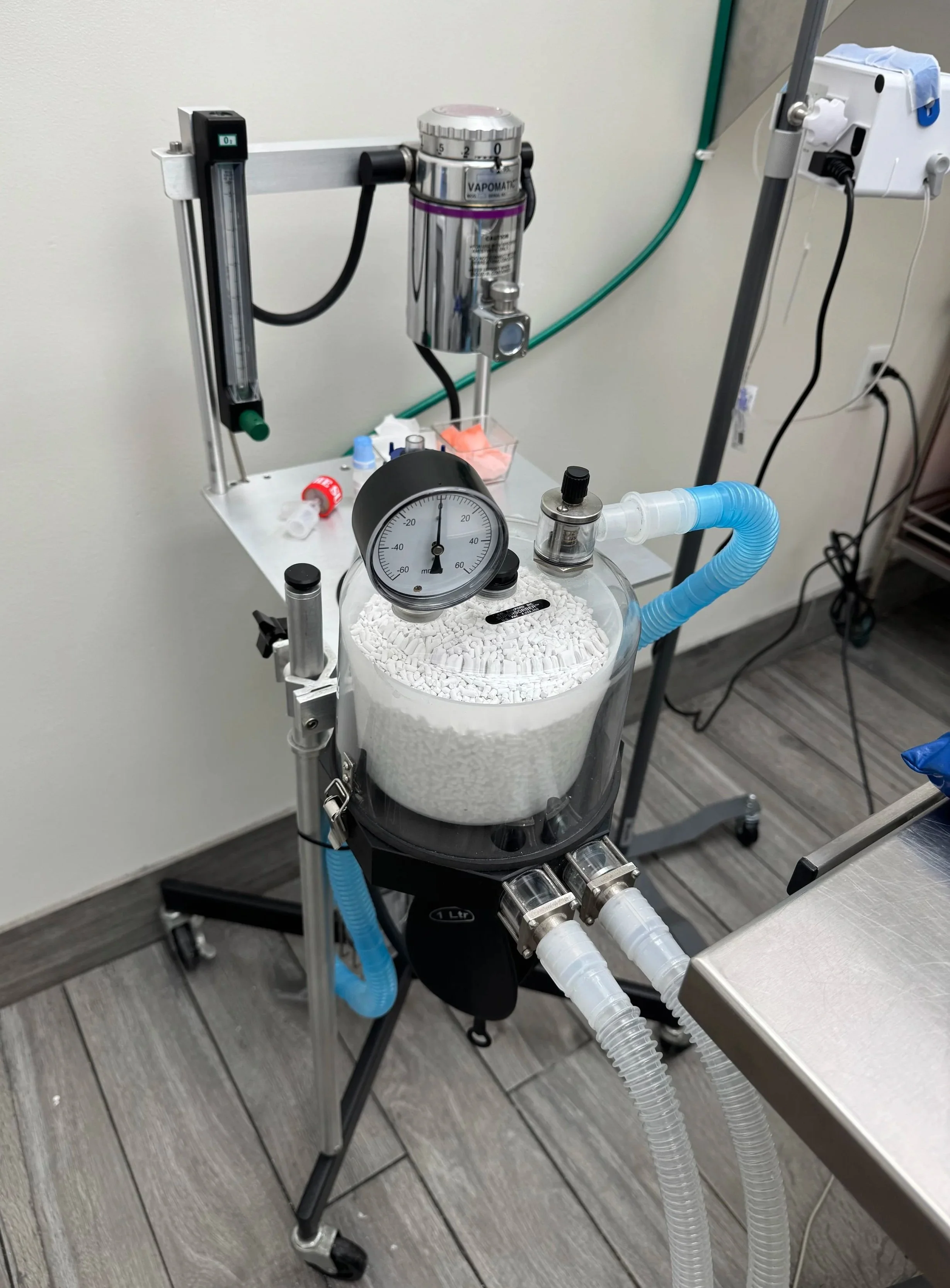
Concerned about anesthesia? You are not alone. Most soft tissue surgeries require anesthesia or heavy sedation, and anesthesia planning should be individualized. Your pet's age, breed, size, medical history, current medications, procedure type, and exam findings all help guide the plan.
Pre-surgical bloodwork is often recommended before veterinary surgery because it gives our veterinarians more information about organ function and overall health. Bloodwork does not remove every risk, but it can reveal changes that may affect anesthesia, medication choices, timing, or whether additional evaluation is needed first.
If your pet is older, has a known medical condition, takes medication, or has not had lab testing recently, ask whether pet bloodwork or lab testing should be completed before surgery. We will explain what is recommended for your dog or cat and why, so you are not left wondering what the testing is for.
What to Expect on Surgery Day in Newark, NJ
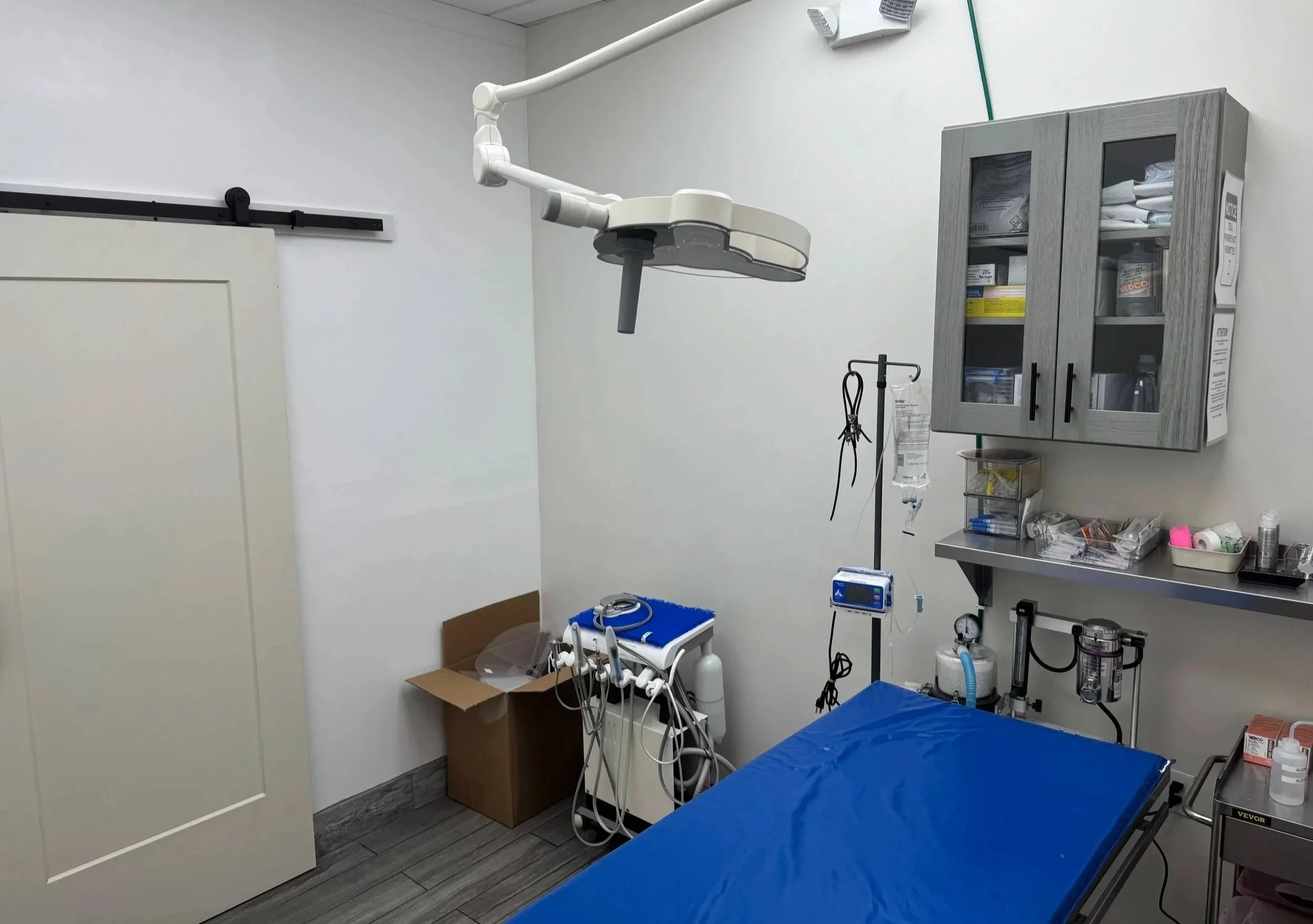
When you arrive, our team will confirm the procedure plan, review important health information, and make sure we have the details needed for your pet's care. Your pet will be assessed before anesthesia, and the surgical plan will be based on the procedure being performed and your pet's individual needs.
Feeling nervous about drop-off, anesthesia, or pickup instructions? Surgery days can feel stressful. We know you are trusting us with a family member.
After surgery, we will provide discharge instructions for home care. Those instructions may cover medications, feeding, incision checks, activity restriction, follow-up timing, and signs that should prompt a call. Read them before leaving and ask anything that is unclear. The small recovery details matter more than most people expect.
Soft Tissue Surgery Recovery at Home
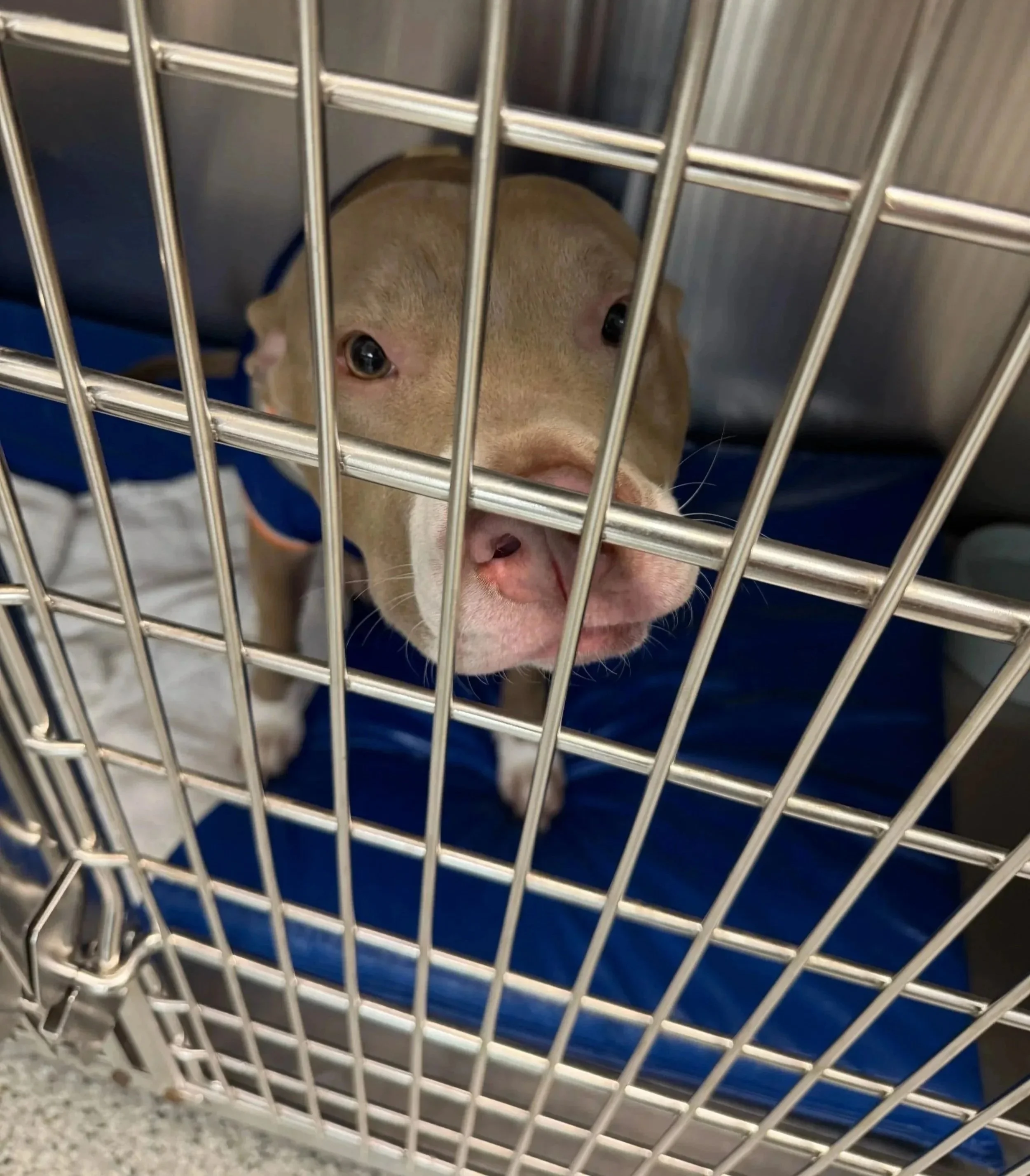
Worried about keeping your pet calm after surgery? That is one of the most common concerns we hear. Most pets do not understand that they need to rest after surgery. They may try to jump, run, lick the incision, wrestle with another pet, or act normal before healing is complete.
Call the Veterinarian Pet Alliance if you notice concerning changes such as incision opening, persistent bleeding, increasing swelling, discharge, foul odor, repeated vomiting, trouble breathing, severe lethargy, uncontrolled pain, refusal to eat, or any sign listed as a concern in your discharge instructions. If the problem seems urgent or occurs outside our available hours, seek emergency veterinary care.
Recovery works best when your home plan is ready before the procedure. Follow the discharge instructions provided for your pet's specific surgery. In general, recovery may involve limiting activity, keeping your dog or cat indoors, preventing licking or chewing, giving only medications prescribed or approved by the veterinarian, and checking the incision as directed.
When Your Pet May Need Specialty or Emergency Referral in Newark, NJ
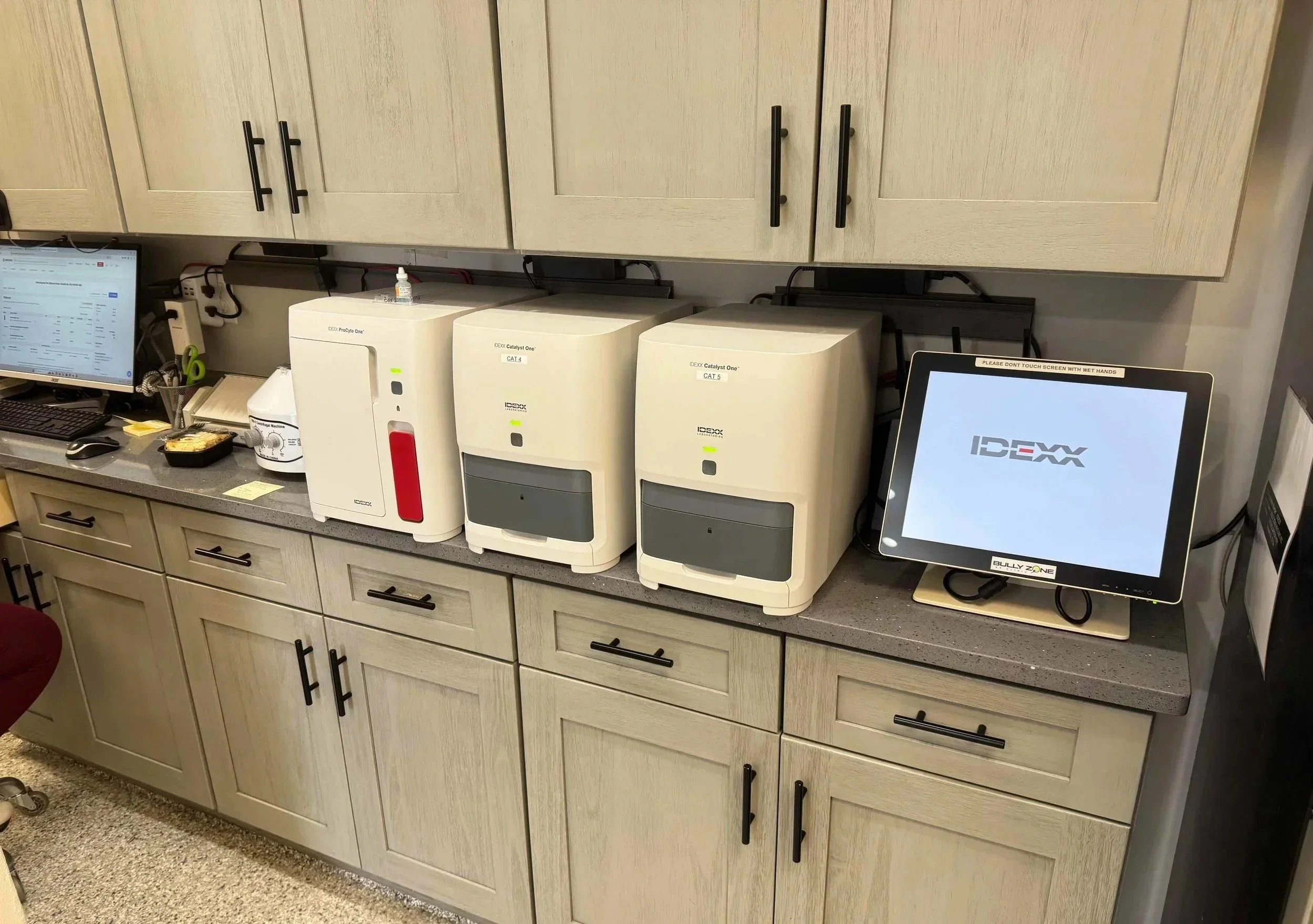
Seek urgent or emergency veterinary help if your pet has severe bleeding, trouble breathing, a deep or large wound, major trauma, collapse, repeated vomiting with abdominal pain, a rapidly worsening condition, uncontrolled pain, or any situation where your pet seems unstable. If you are unsure whether the situation is urgent, call for guidance.
Is your pet bleeding heavily, having trouble breathing, collapsing, or acting severely painful? Some surgical problems should not wait for a routine appointment. Others need a board-certified veterinary surgeon, advanced imaging, intensive monitoring, or emergency care that is not available in every general practice setting.
If our veterinarians determine that your pet's condition is better managed by a specialty surgeon or emergency hospital, we will explain why. Referral is not a failure of local care. It is part of choosing the right level of care for the pet in front of us.
Veterinary Surgery Near Ironbound, Harrison, Kearny, and Newark
The Veterinarian Pet Alliance is located at 1415 McCarter Highway in Newark, along the Passaic River corridor. Our animal hospital is convenient for pet owners from Downtown Newark, the Ironbound, the East Ward, University Heights, the North Ward, and neighborhoods near Branch Brook Park and Military Park.
Are you coming from Harrison, Kearny, Belleville, East Orange, North Arlington, South Orange, or another nearby North Jersey community? If you are searching for pet surgery, dog surgery, cat surgery, or soft tissue surgery near Newark, our team can help you start with an exam and a clear plan.
Need directions before a consultation or procedure day? Our Newark location is easy to reach from McCarter Highway, Route 21, and nearby Passaic River crossings.
Why Choose Veterinarian Pet Alliance for Veterinary Surgery?
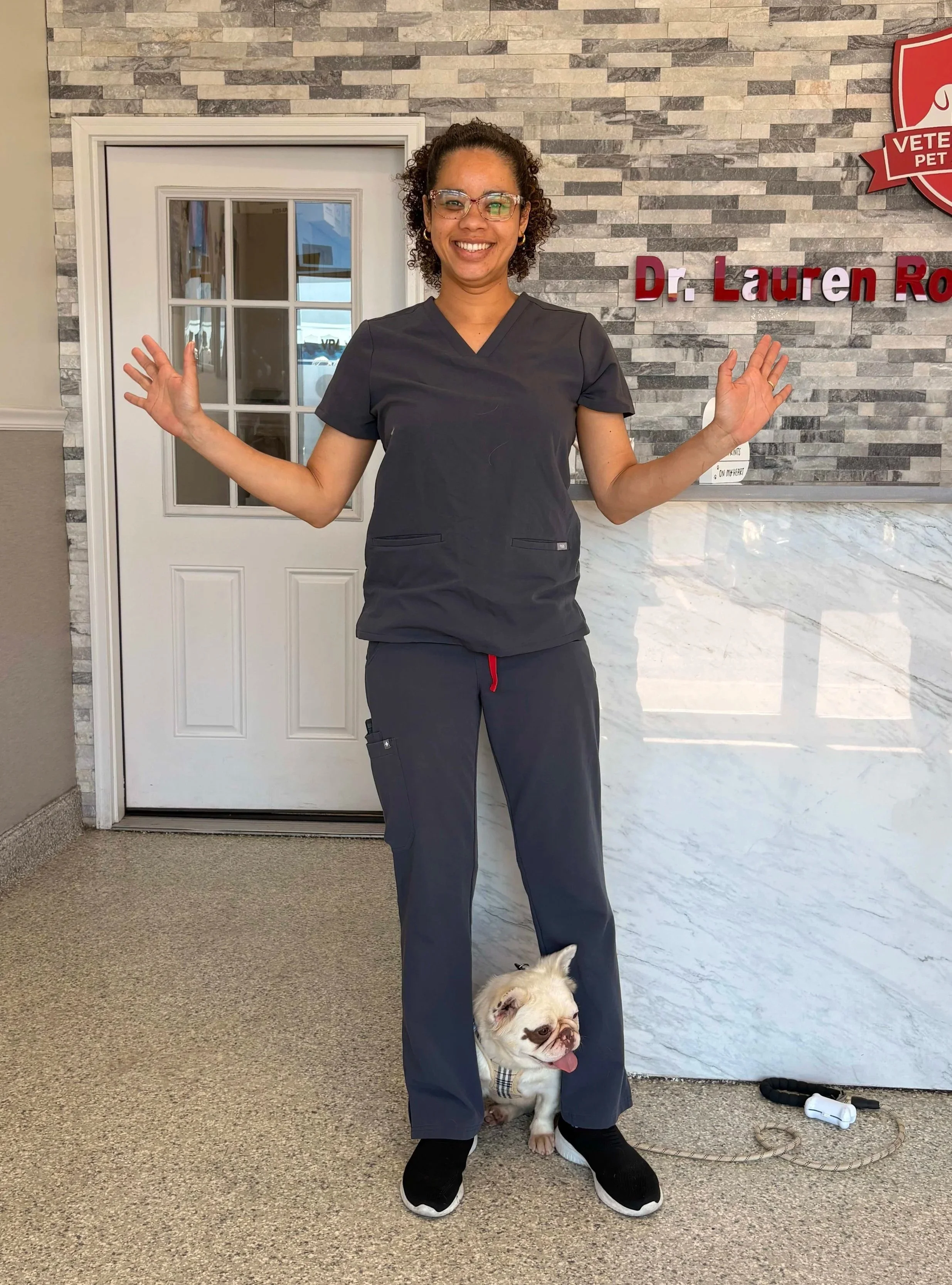
Surgery can feel overwhelming because the stakes are personal. What is wrong? Is surgery truly needed? What are the risks? How will you care for your pet afterward? Those are reasonable questions, and you should not feel rushed through them.
At the Veterinarian Pet Alliance, we take time to examine your pet, review the full health picture, and explain the recommendation in plain language. We will tell you what we can handle at our Newark animal hospital and when another level of care is more appropriate.
Our approach centers on:
Surgical consultations for dogs and cats in Newark, NJ
Soft tissue surgery planning when appropriate for our hospital
Clear conversations about preparation, anesthesia, and recovery
Pre-surgical bloodwork and lab testing discussions when recommended
Practical discharge instructions for home care
Coordination with preventative veterinary care, wellness exams, sick pet visits, dental care, spay and neuter surgery, and other veterinary needs
Ready to understand the next step for your pet instead of guessing? Schedule a surgical consultation with our Newark veterinary team.
Frequently Asked Questions About Veterinary Surgery and Soft Tissue Surgery
-
Soft tissue surgery refers to procedures involving tissues other than bones, joints, and the spine. In general veterinary care, that may include certain skin, wound, mass, abscess, and other soft tissue procedures when they are appropriate for the hospital. A veterinary exam is needed to determine what your pet needs.
-
Not every lump needs immediate surgery, but every new, growing, bleeding, irritated, or painful lump should be evaluated by a veterinarian. The recommendation may involve monitoring, diagnostic sampling, removal, referral, or another plan based on the mass and your pet's overall health.
-
The Veterinarian Pet Alliance provides veterinary surgery and soft tissue surgery planning for dogs and cats in Newark, NJ, when the procedure is appropriate for our hospital. Because surgical needs vary, an exam is required before confirming whether we can perform a specific procedure or whether referral is recommended.
-
Most soft tissue surgeries require anesthesia or heavy sedation so the pet can remain still, comfortable, and protected during the procedure. Anesthesia planning should be individualized based on the pet's health, procedure, age, breed, and medical history.
-
Pre-surgical bloodwork is often recommended before veterinary surgery, especially for senior pets, pets with known medical conditions, pets taking medication, or pets that have not had recent lab testing. Bloodwork helps our veterinarians assess organ function and identify concerns that may affect the plan.
-
Recovery depends on the procedure, incision location, your pet's health, and the discharge plan. Some pets feel energetic before healing is complete, so activity restriction and incision protection are important. Follow the specific instructions provided for your dog or cat.
-
Call the veterinary team if you notice incision opening, persistent bleeding, increasing swelling, discharge, bad odor, repeated vomiting, trouble breathing, severe lethargy, uncontrolled pain, refusal to eat, or any concern listed in your discharge instructions. Seek emergency care if your pet seems unstable or the concern occurs outside available hours.
-
Yes. The Veterinarian Pet Alliance provides veterinary surgery and soft tissue surgery planning at our animal hospital in Newark, NJ. We serve pet owners from Ironbound, Downtown Newark, Harrison, Kearny, Belleville, Bloomfield, East Orange, North Arlington, and nearby North Jersey communities.