
Pet Bloodwork & Lab Testing in Newark, NJ
Dog and cat bloodwork, fecal testing, and diagnostic lab testing for sick visits and surgery in Newark, NJ.
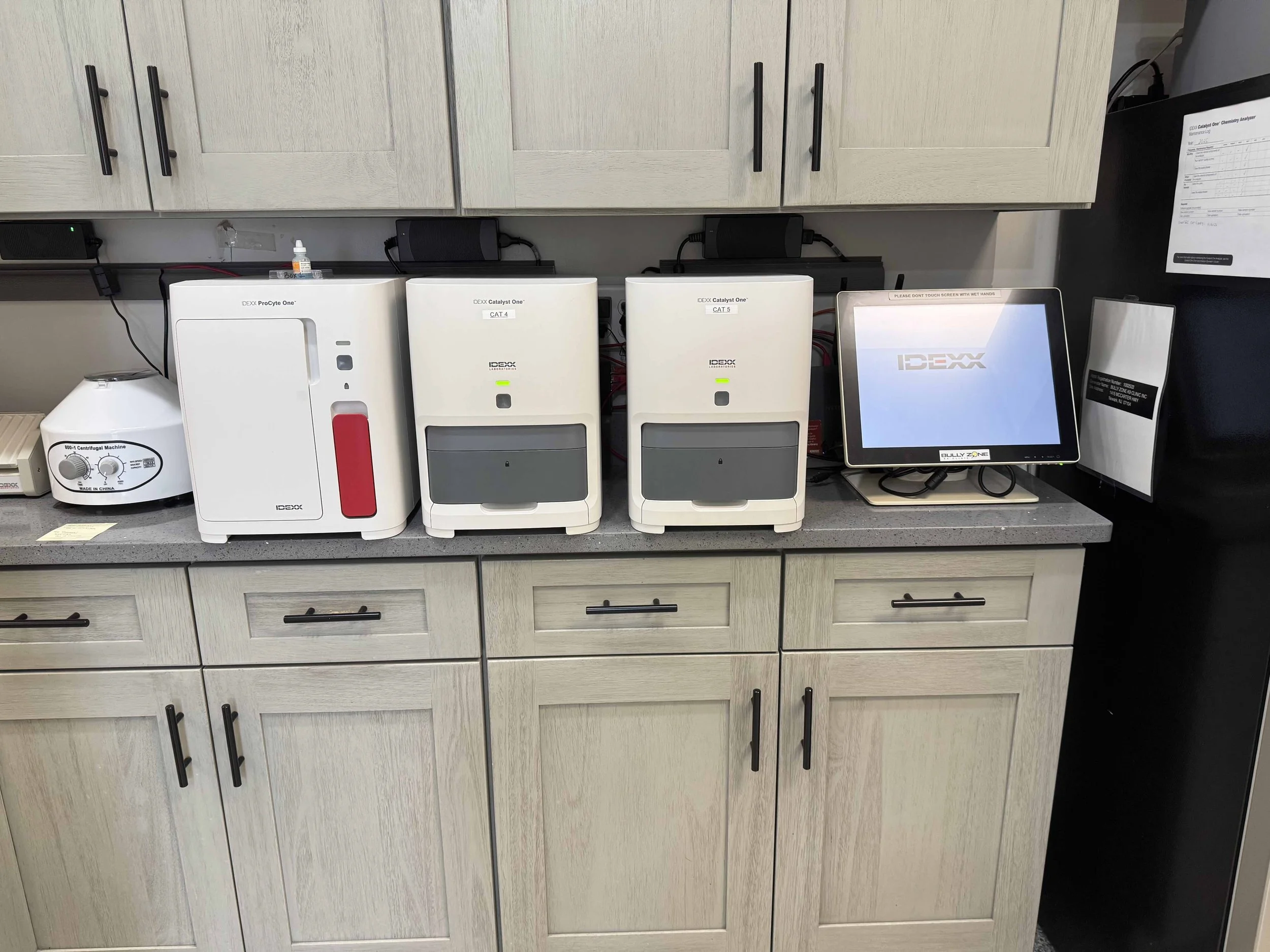
At Veterinarian Pet Alliance in Newark, NJ, we run pet bloodwork and lab testing for dogs and cats to get a better understanding of what is happening inside your pet’s body. Some health problems are easy to see during a physical exam. Others are not.
Is your dog or cat acting differently than usual? Maybe they are vomiting. Maybe they have diarrhea. Maybe they are eating less, losing weight, sleeping more, drinking more water, urinating more often, coughing, or just not acting like themselves.
That is where diagnostic testing can help.
Pet bloodwork and lab testing can be useful during sick visits, wellness exams, surgery planning, dental care, medication monitoring, and ongoing medical care. Your pet cannot tell you what hurts. Lab testing can help give your veterinary team more information before deciding what comes next.
Our Newark animal hospital is located on McCarter Highway, close to Ironbound, Downtown Newark, Harrison, Kearny, Belleville, Bloomfield, East Orange, South Orange, and North Arlington. We also see pets from neighborhoods near Newark Penn Station, Newark Broad Street Station, Branch Brook Park, Riverfront Park, Prudential Center, NJPAC, Rutgers University–Newark, Ferry Street, and McCarter Highway/Route 21.
Veterinary Lab Testing for Dogs and Cats in Newark, NJ
Veterinary lab testing gives you more information than a physical exam alone. Lab testing for pets can help evaluate organ function, hydration, blood sugar, infection, inflammation, anemia, parasites, and other health concerns that may not be visible from the outside.
Does your pet seem “off,” but you are not sure why? Are they eating less? Sleeping more? Drinking more water? Having stomach issues that keep coming back?
At the Veterinarian Pet Alliance, we recommend lab testing for dogs and cats based on your pet’s symptoms, age, medical history, lifestyle, exam findings, and risk factors. A puppy with diarrhea needs a different treatment plan than a senior cat losing weight. A dog preparing for surgery needs different testing than a cat drinking more water than usual.
Lab testing is not one-size-fits-all. It should answer a question.
For pets in Newark, the Ironbound, Harrison, Kearny, Belleville, Bloomfield, East Orange, and nearby Essex County communities, the Veterinarian Pet Alliance can run lab testing on your pet to support both routine preventative care and urgent sick pet visits.
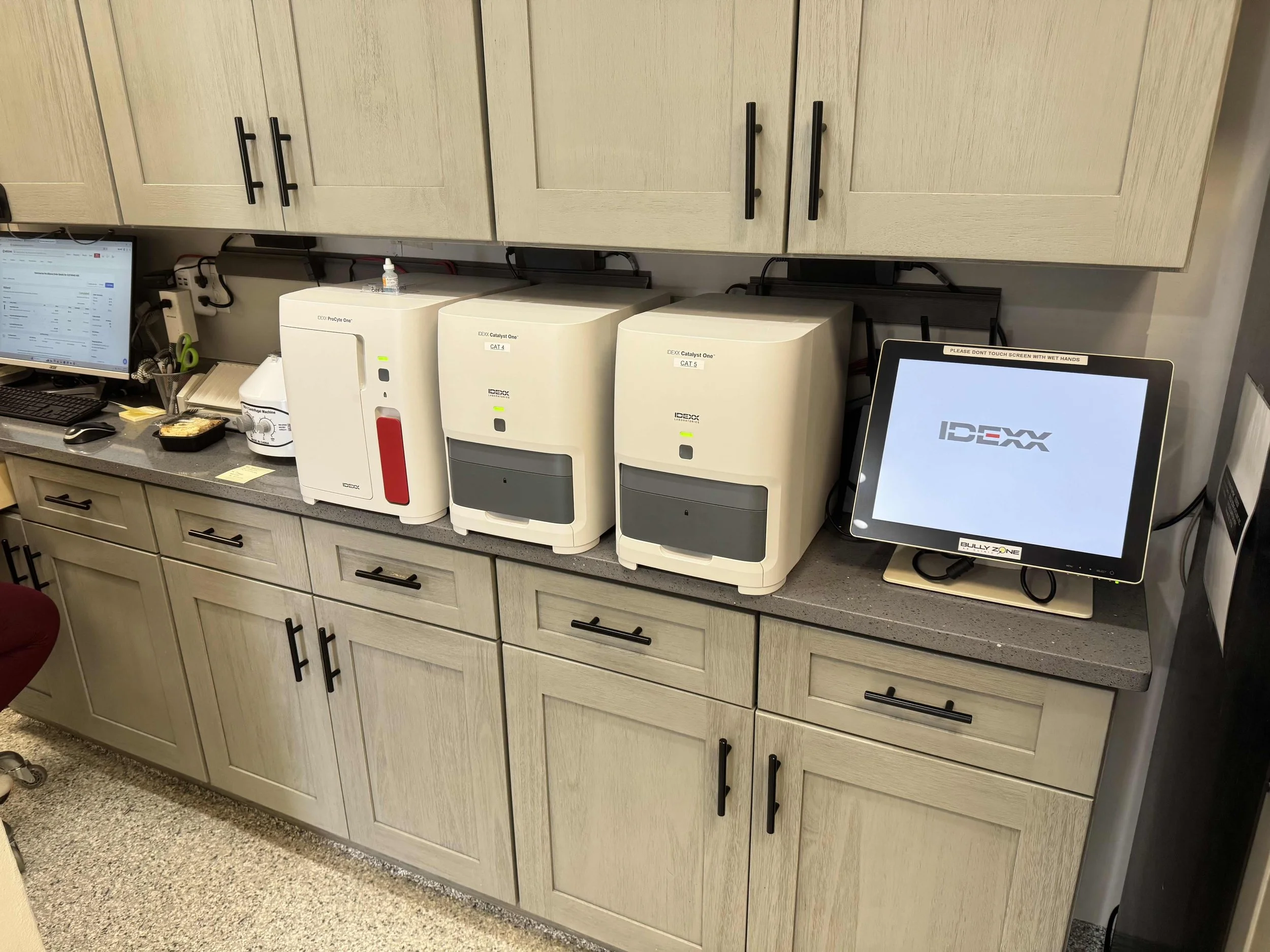
Pet Bloodwork in Newark & Ironbound, NJ
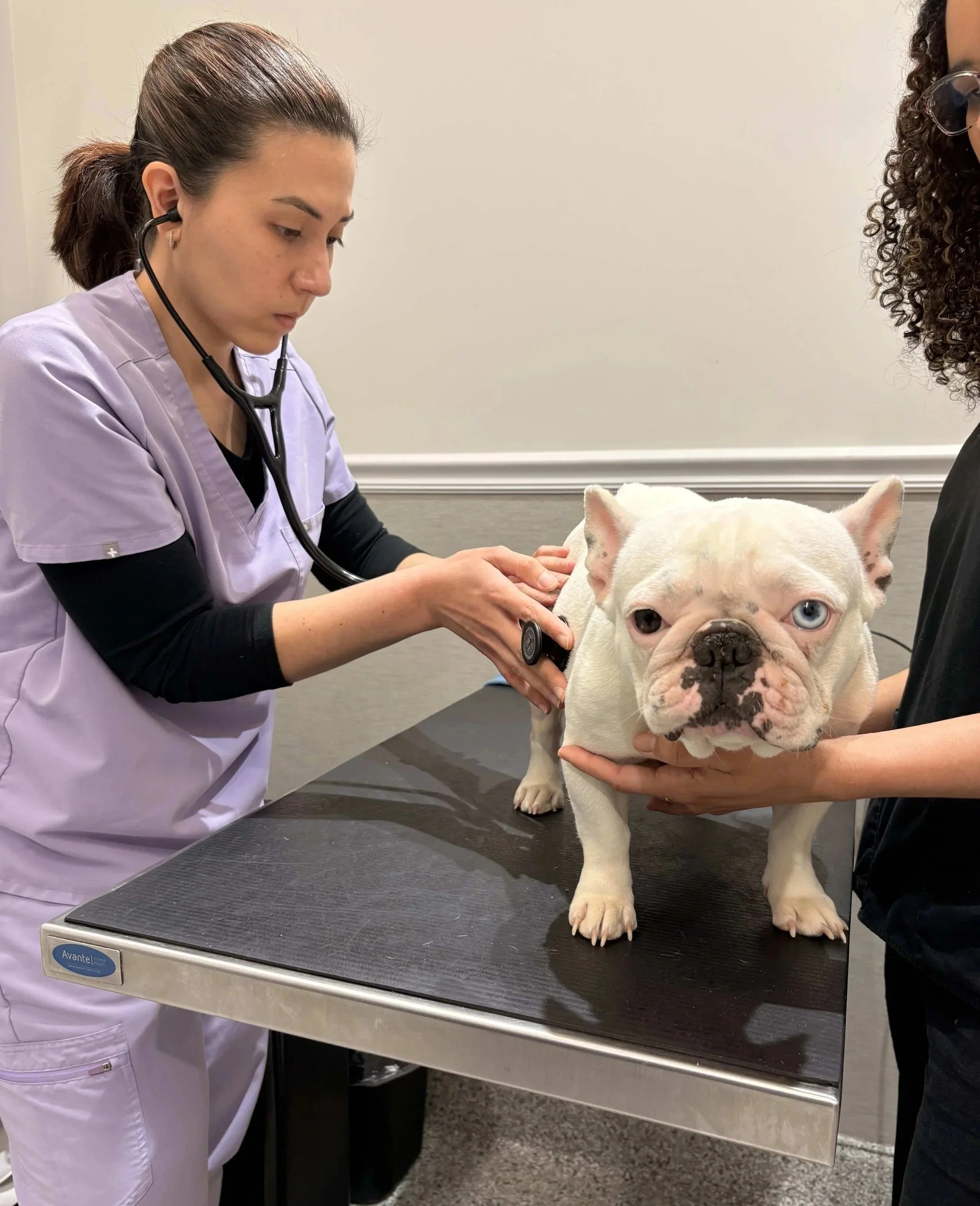
Are you worried that something may be going on internally with your pet? Pet bloodwork can help evaluate important parts of your dog or cat’s health, including red blood cells, white blood cells, platelets, liver values, kidney values, electrolytes, hydration status, blood sugar, and signs of infection or inflammation.
Sometimes the results are reassuring. Sometimes they show that more care is needed. Either way, pet bloodwork gives you and our veterinary team better information.
That matters.
If your dog or cat lives near Downtown Newark, the Ironbound, Harrison waterfront, Kearny Avenue, Branch Brook Park, Weequahic Park, or local apartment communities, the Veterinarian Pet Alliance can run bloodwork to help you better understand your pet’s overall health and risk factors.
Our veterinarians may recommend pet bloodwork if your pet is sick, acting differently, preparing for anesthesia, starting certain medications, or being monitored for an ongoing condition. Bloodwork may also be useful during senior pet visits because early changes are not always easy to see at home.
Dog Bloodwork and Lab Testing in Newark, NJ
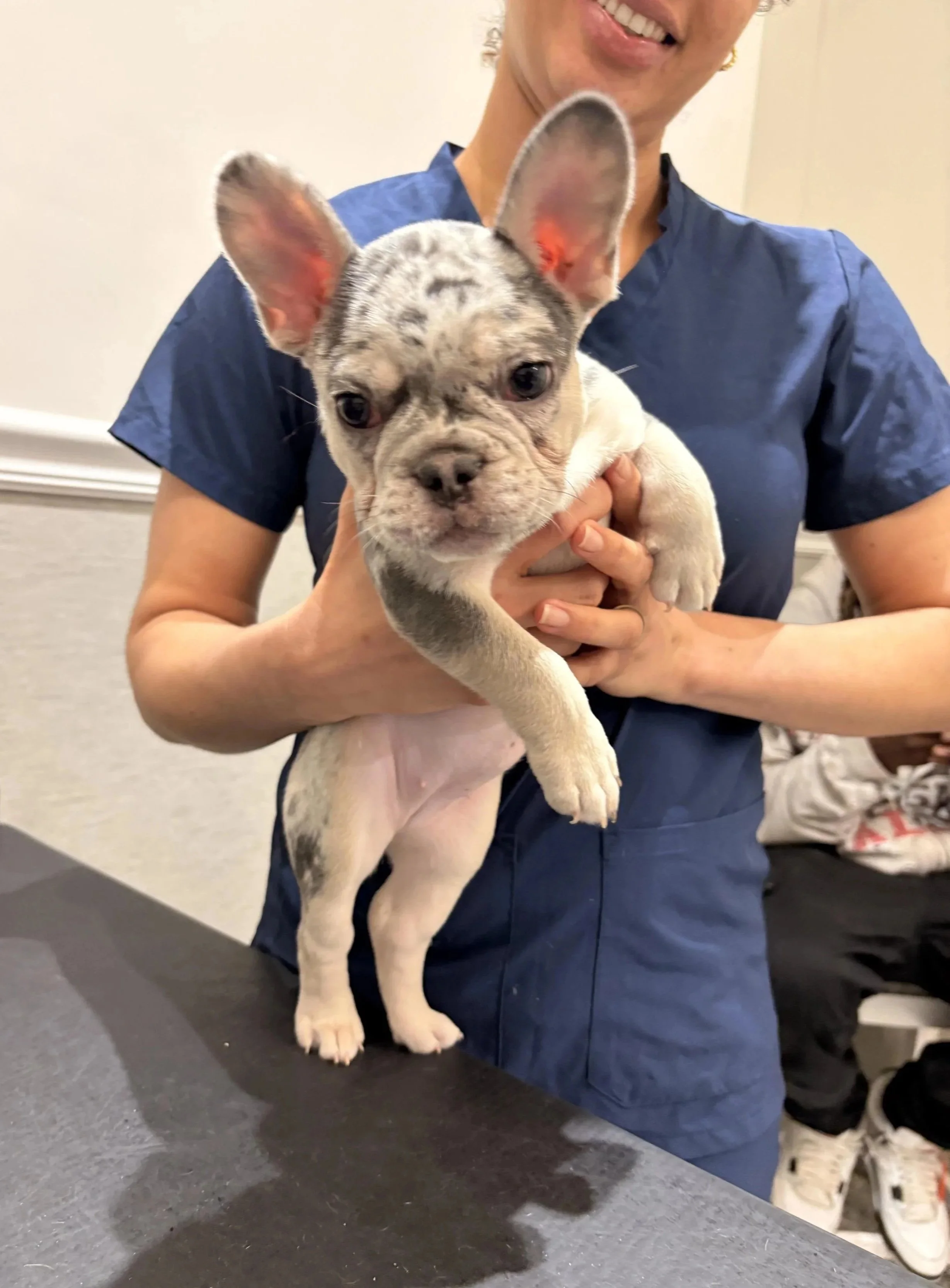
Is your dog vomiting, having diarrhea, eating less, losing weight, drinking more water, urinating more often, coughing, or acting tired? Are you preparing for a dental cleaning, mass removal, neuter surgery, spay surgery, or another procedure?
We may recommend bloodwork for your dog when symptoms are unclear, when your dog is not improving, or when our veterinarians needs more information before treatment. It can also be important before surgery, dental procedures, mass removal, spay and neuter surgery, or certain medications.
Lab testing for dogs can help during sick visits, wellness exams, senior dog care, pre-surgical planning, and follow-up care when symptoms keep coming back. The right tests depend on your dog’s age, breed, symptoms, vaccine history, parasite prevention, and lifestyle.
Some dogs have more exposure than others. Does your dog visit groomers, boarding facilities, daycare, dog parks, apartment pet areas, shared sidewalks, or outdoor spaces in Newark, Harrison, Kearny, Belleville, Bloomfield, or East Orange?
Those details matter.
Dog bloodwork and lab testing helps us look below the surface, when your dog looks healthy like in the exam room. Lab testing is the only way for us to see what is happening to your pet internally.
Cat Blood Work and Lab Testing in Newark, NJ
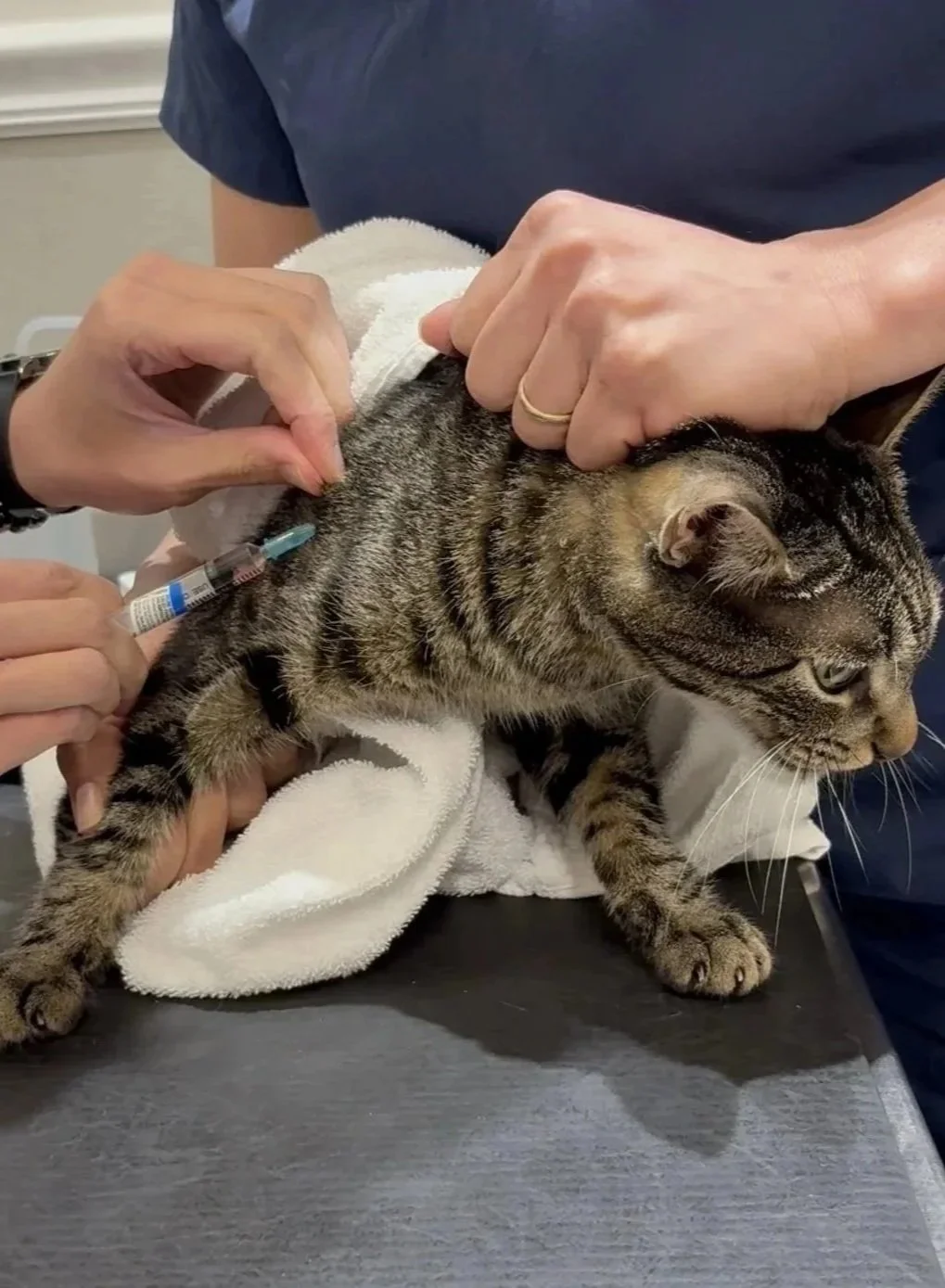
Cats are very good at hiding illness. A cat may seem mostly normal while early health changes are already developing. Cat blood work can help evaluate possible concerns such as kidney disease, liver changes, diabetes, dehydration, infection, inflammation, anemia, thyroid changes, and other medical problems.
Has your cat started hiding more? Are they eating less? Losing weight? Vomiting? Drinking more water? Using the litter box more often?
Our veterinarians may recommend blood work if your cat has subtle symptoms, recurring issues, or changes that are hard to explain. Even small changes can matter.
Lab testing for cats is especially helpful for adult cats, senior cats, newly adopted cats, sick cats, and cats with recurring medical concerns. Indoor cats still get sick. They just tend to hide it well.
For cat owners in Newark, the Ironbound, North Ward, University Heights, Forest Hill, Roseville, Weequahic, Harrison, Kearny, Belleville, Bloomfield, East Orange, South Orange, and North Arlington, cat blood work and lab testing can help identify problems earlier and guide more informed care.
Fecal Testing for Dogs and Cats in Newark, NJ
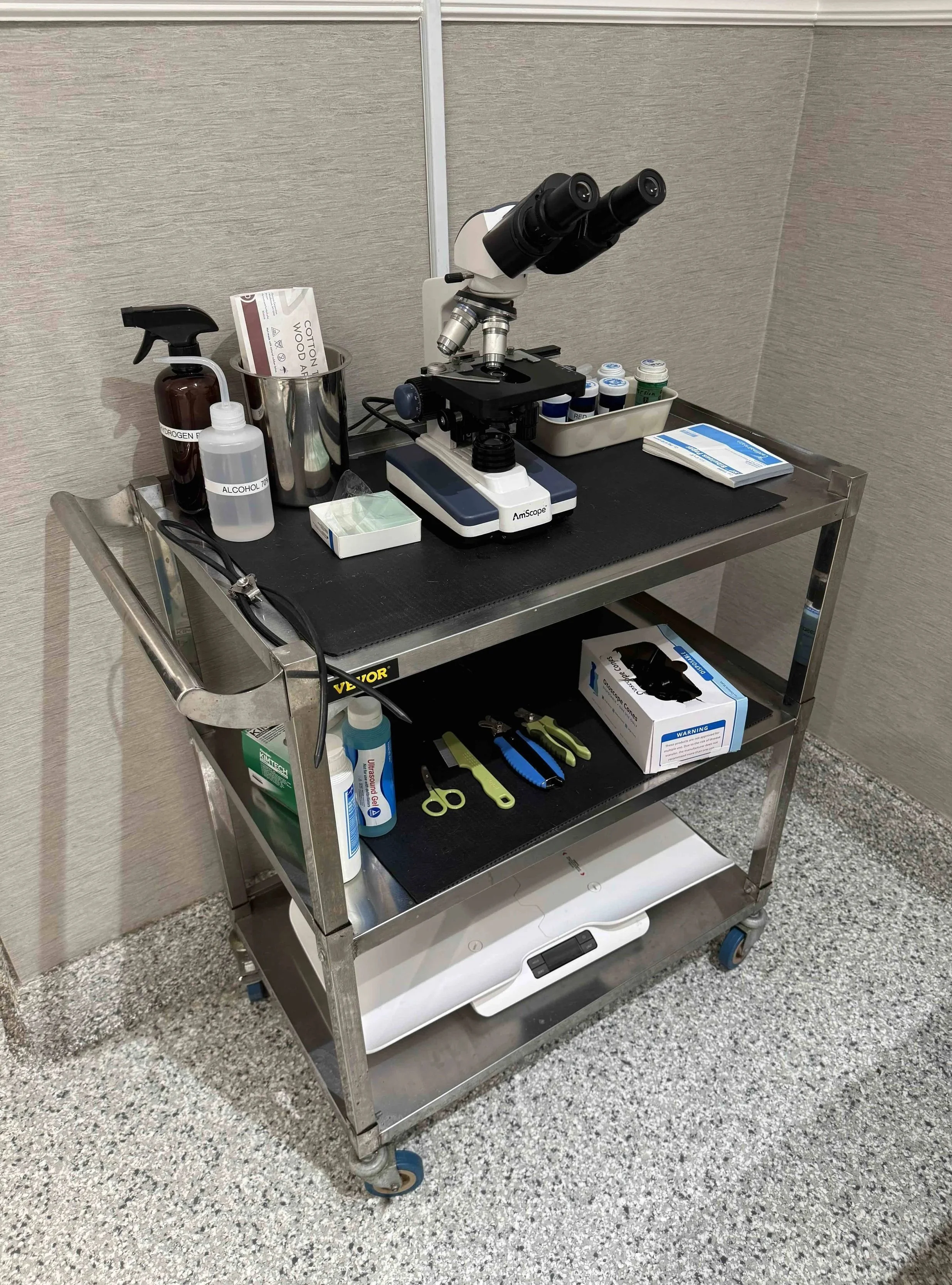
Has your pet had diarrhea, soft stool, vomiting, weight loss, scooting, or digestive issues that keep coming back? Fecal testing checks your pet’s stool for signs of intestinal parasites and other digestive concerns.
Even dogs and cats that seem healthy can carry parasites. Some pets have obvious symptoms. Others do not.
Our veterinarians may recommend fecal tests for you pet during wellness exams, puppy and kitten visits, sick visits, parasite prevention appointments, or when a pet has digestive symptoms. Testing can also be important for pets with unknown medical histories.
Fecal testing for dogs may be recommended if your dog spends time in shared outdoor spaces, parks, dog runs, boarding facilities, daycare, grooming locations, or apartment pet areas. In a city like Newark, that matters. Dogs walking near Branch Brook Park, Riverfront Park, Weequahic Park, Military Park, Ironbound, Harrison, Kearny, Belleville, or McCarter Highway may have exposure risks that are worth discussing.
Fecal testing for cats can also be useful, especially for kittens, newly adopted cats, outdoor cats, cats living with other pets, or cats with diarrhea, vomiting, weight loss, or an unknown medical history.
Lab Testing for Sick Pets in Newark & Ironbound, NJ
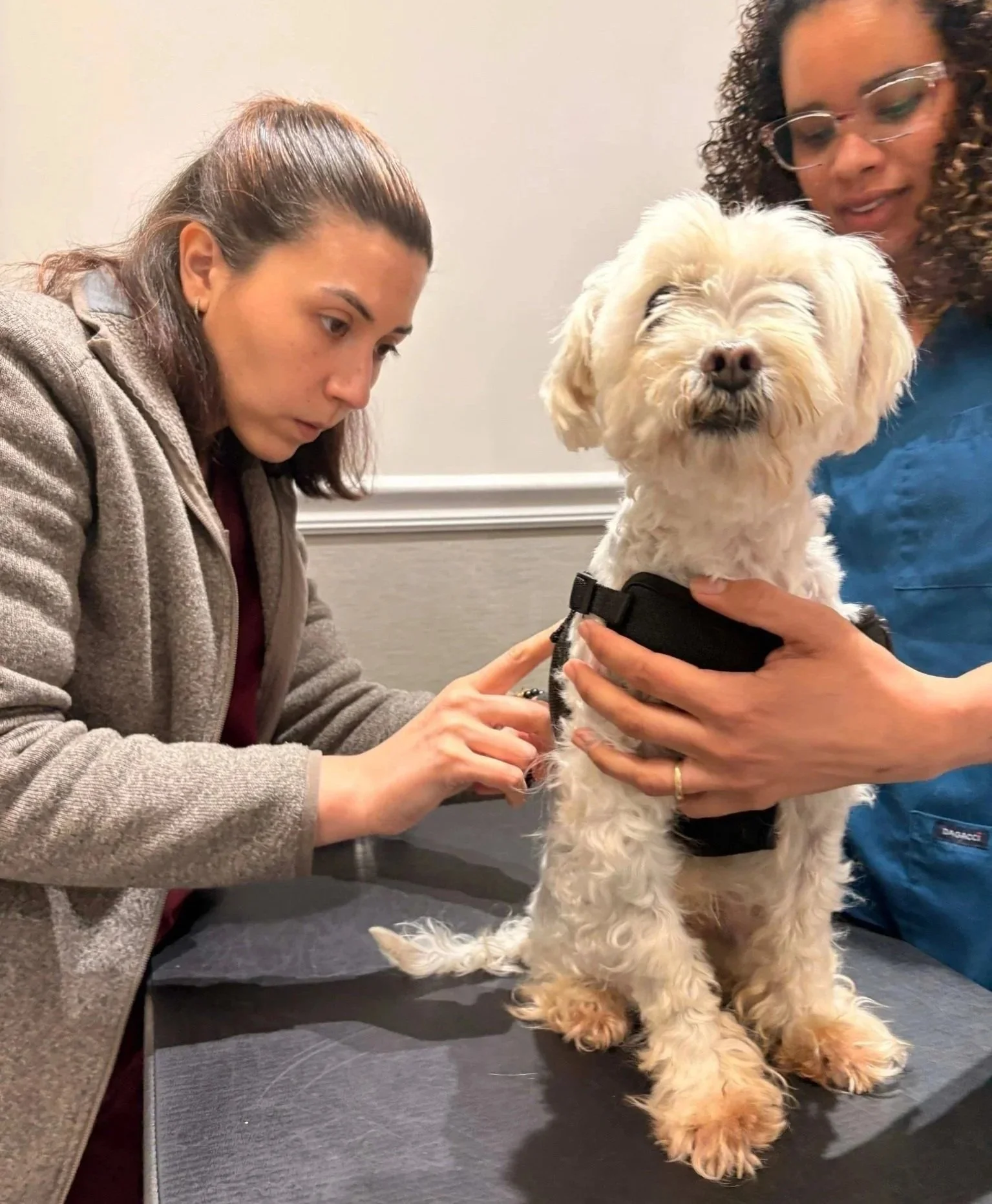
Is your pet sick? What is causing this? Vomiting, diarrhea, lethargy, appetite loss, fever, coughing, weight loss, increased thirst, frequent urination, or behavior changes can be linked to many different conditions.
A physical exam is the starting point. Lab testing gives our veterinarians additional information that helps guide medication, fluids, diet changes, additional diagnostics, monitoring, or referral care.
Not every sick pet needs the same tests. Some pets need bloodwork. Some need fecal testing. Others may need imaging, urine testing, or follow-up diagnostics.
For families near Newark Penn Station, Prudential Center, NJPAC, Rutgers University–Newark, Ferry Street, the Passaic River, Harrison, Kearny, Belleville, Bloomfield, and East Orange, our clinic provides local access to diagnostic care when your pet is not feeling well.
We recommend lab testing based on your pet’s symptoms, age, exam findings, medical history, and how urgent the situation appears.
Pet Bloodwork for Wellness Exams, Surgery, and Monitoring in Newark, NJ
Is your pet scheduled for surgery, dental cleaning, dental extractions, mass removal, spay surgery, neuter surgery, or another procedure that may involve anesthesia? Our veterinarian will recommend bloodwork before the procedure.
Pre-surgical bloodwork can help evaluate organ function and may identify concerns that are not obvious during a physical exam. Bloodwork does not remove every risk, but it does help the veterinary team make more informed decisions before anesthesia.
Bloodwork is not only for sick pets. It may also be recommended during wellness exams, before surgery, before dental cleaning or dental extractions, before mass removal, before spay or neuter surgery, or when monitoring a pet with an ongoing health condition.
Wellness bloodwork may help detect early illness before symptoms become obvious. Monitoring bloodwork can help track chronic conditions or medication effects over time.
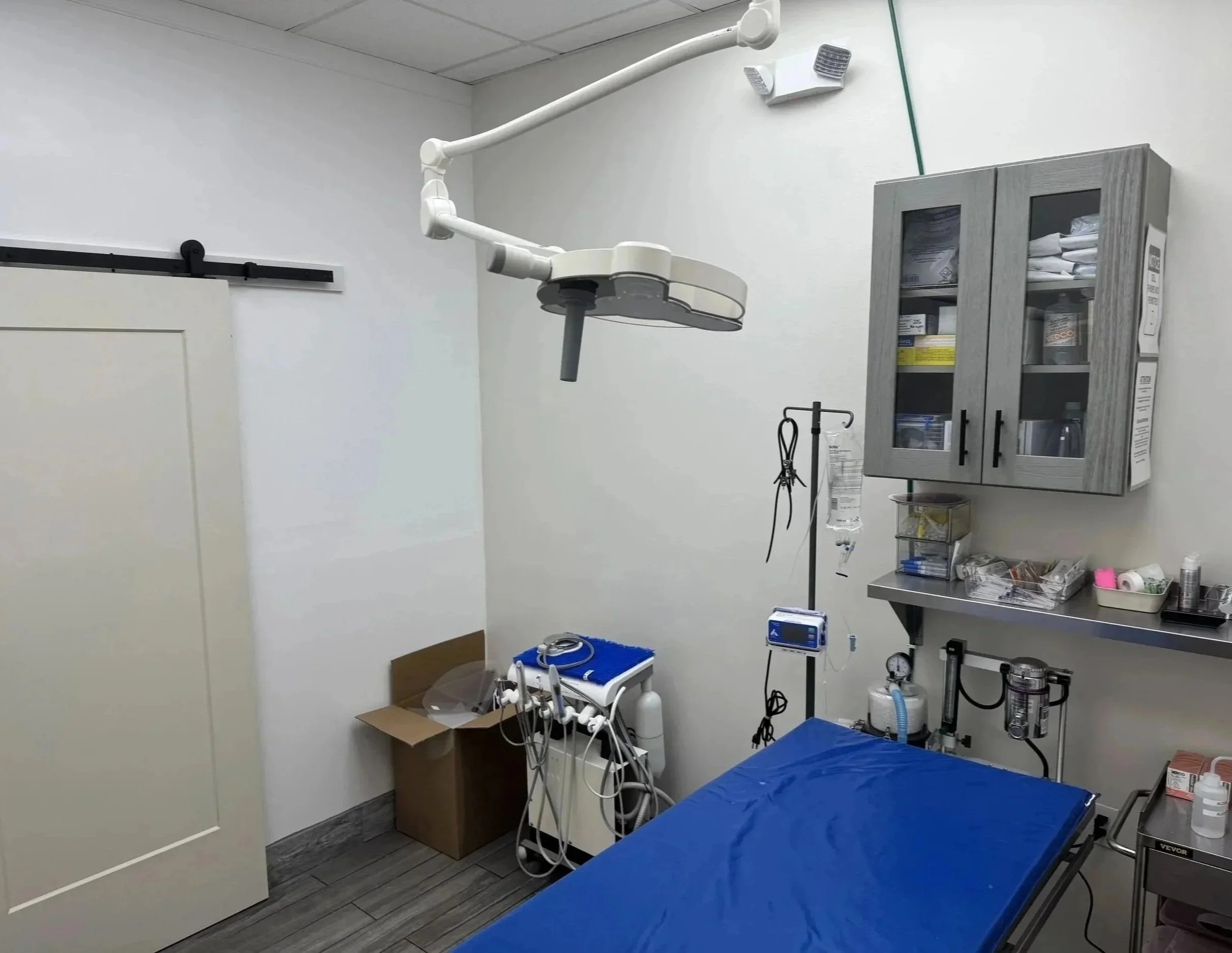
For senior dogs and cats in Newark, the Ironbound, Harrison, Kearny, Belleville, Bloomfield, East Orange, South Orange, and North Arlington, routine lab testing may be especially useful because health changes often develop gradually.
What to Expect During a Pet Lab Testing Visit
Wondering what happens during a pet bloodwork or lab testing visit? The process is usually straightforward.
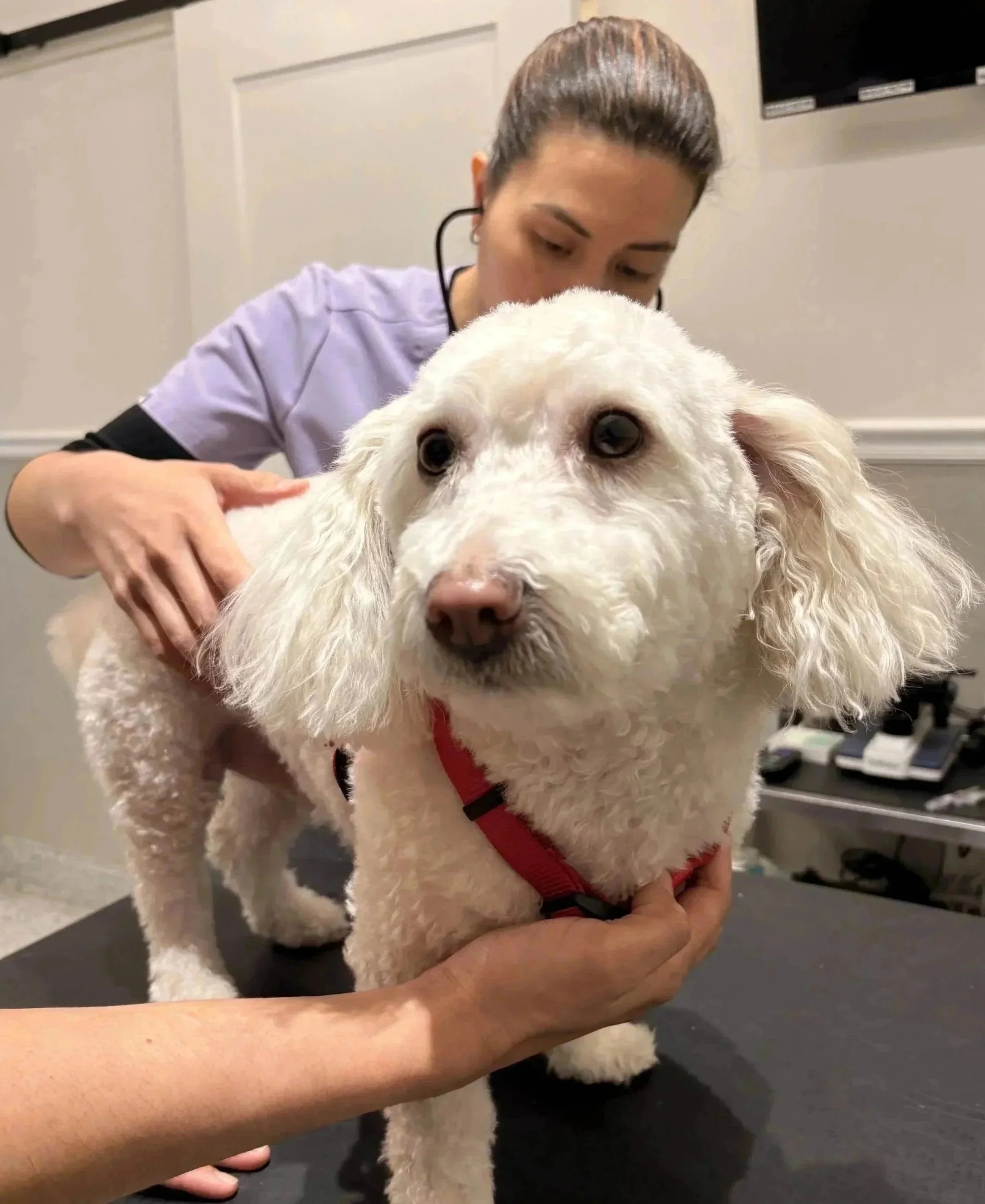
During your pet’s visit, our veterinary team will ask about symptoms, medical history, appetite, energy level, bathroom habits, medications, diet, and any recent changes. Then your veterinarian will perform a physical exam and discuss whether bloodwork, fecal testing, or other lab work may be helpful.
If bloodwork is recommended, a small blood sample is collected by the veterinary team. If fecal testing is recommended, you will be asked to bring a fresh stool sample.
Once results are available, our veterinarians will explain what they may mean and discuss next steps, which may include treatment, monitoring, follow-up testing, medication, diet changes, additional diagnostics, or referral care if advanced testing is needed.
You should understand why a test is being recommended and how it may help your pet. That is why our veterinarians take the time to walk you through the whole lab testing process.
Pet Bloodwork & Lab Testing Near Newark, Ironbound, Harrison, Kearny & Belleville, NJ
Our location is convenient for pet owners coming from Downtown Newark, Bloomfield, East Orange, South Orange, North Arlington, and nearby Essex County communities. We regularly see dogs and cats from Newark neighborhoods like Ironbound, North Ward, University Heights, Forest Hill, Roseville, and Weequahic.
Looking for pet bloodwork and lab testing near Newark, the Ironbound, Harrison, Kearny, or Belleville? The Veterinarian Pet Alliance provides diagnostic lab testing at our Newark, NJ animal hospital on McCarter Highway.
Our clinic is near Newark Penn Station, Newark Broad Street Station, Prudential Center, NJPAC, Rutgers University–Newark, Branch Brook Park, Riverfront Park, Weequahic Park, Military Park, Ferry Street, the Passaic River, and McCarter Highway/Route 21.
If your pet is sick, due for testing, preparing for surgery, or needs diagnostic lab work, our team can help you understand which tests may be appropriate. Pet bloodwork and lab testing can provide important information and help guide a more informed care plan.
Frequently Asked Questions About Pet Bloodwork & Lab Testing in Newark, NJ
-
Your dog or cat may need bloodwork if they are sick, acting differently, preparing for surgery, starting certain medications, or being monitored for an ongoing condition. Bloodwork may also be recommended for senior pets or pets with symptoms such as vomiting, diarrhea, weight loss, low energy, increased thirst, frequent urination, or appetite changes.
-
Pet bloodwork can help evaluate red blood cells, white blood cells, platelets, hydration, blood sugar, kidney values, liver values, electrolytes, and signs of infection or inflammation. It does not diagnose every condition by itself, but it gives your veterinarian important information about what may be happening inside your pet’s body.
-
Some health changes are not obvious during a physical exam. Lab testing for pets can help screen for early changes, establish a baseline, prepare for anesthesia, or monitor a condition over time. This can be especially helpful for senior pets, newly adopted pets, and pets with symptoms that come and go.
-
Dog bloodwork and cat blood work often check similar body systems, but recommendations may differ based on species, age, symptoms, medical history, lifestyle, and exam findings. Cats often hide illness, so lab testing may be especially helpful when symptoms are subtle.
-
Senior dogs and cats may benefit from routine bloodwork because health changes can develop gradually. Bloodwork can help your veterinarian monitor kidney values, liver values, blood sugar, hydration, and other internal health markers before symptoms become more obvious at home.
-
Fecal tests for pets check a stool sample for signs of intestinal parasites and other digestive concerns. Fecal testing may be recommended for puppies, kittens, newly adopted pets, pets with diarrhea, or pets receiving routine parasite screening.
-
Fecal testing for dogs commonly checks for intestinal parasites such as roundworms, hookworms, whipworms, coccidia, and giardia. Your veterinarian may recommend fecal testing if your dog has diarrhea, vomiting, weight loss, scooting, poor coat quality, or possible exposure through parks, sidewalks, boarding, daycare, or shared outdoor spaces.
-
Indoor cats may still need fecal testing in some situations, especially if they are kittens, newly adopted, living with other pets, having diarrhea, vomiting, losing weight, or have an unknown medical history. Indoor pets can still have parasite exposure from prior environments or other animals.
-
Yes, if possible. A fresh stool sample can be helpful if your pet is coming in for diarrhea, parasite screening, puppy or kitten care, or a wellness visit. Place the sample in a sealed bag or container and bring it to the appointment as soon as you can.
-
Pre-surgical bloodwork is often recommended before anesthesia, surgery, dental cleaning, dental extractions, mass removal, or spay and neuter surgery. It helps evaluate organ function and may identify concerns that could affect the procedure plan.
-
Veterinarian Pet Alliance provides pet bloodwork and lab testing in Newark, NJ, near the Ironbound, Harrison, Kearny, Belleville, Bloomfield, East Orange, South Orange, North Arlington, and nearby communities.