
Pet Dental Cleaning & Dental Extractions in Newark, NJ
Dental care for dogs and cats in Newark, Ironbound, Harrison, Kearny, and nearby North Jersey communities.
At the Veterinarian Pet Alliance in Newark, NJ, we help dogs and cats with pet dental cleanings, dental extractions, bad breath, tartar buildup, inflamed gums, loose teeth, broken teeth, and other oral health concerns. Our veterinary team will examine your pet's mouth, explain what we see, and help you understand the next step.
Is your pet's breath getting worse? Are you seeing yellow or brown tartar, red gums, loose teeth, or a change in how your dog or cat chews? Dental problems can be painful, and many pets hide that pain until the issue becomes harder to ignore.
Searching for pet dental care near Newark, dog dental cleaning near Ironbound, or cat dental extractions near Harrison or Kearny? You may be trying to figure out what is urgent, what can be planned, and whether your pet needs a cleaning, an extraction, or a full oral health exam. We can help you make that decision with a clear veterinary evaluation.
Not sure if your pet needs a cleaning, an extraction, or just an oral health exam? Start with a visit. You do not have to guess from a photo, a smell, or a search result.
Pet Dental Cleaning in Newark & Ironbound, NJ
Wondering whether brushing at home is enough? Home care can help, but it cannot remove tartar below the gumline or tell you whether a tooth is painful, loose, infected, or damaged.
A veterinary dental cleaning helps our team examine your pet's mouth more closely, remove plaque and tartar, and look for problems that may not be obvious while your pet is awake. Dental disease often starts quietly, but over time it can lead to infection, gum recession, loose teeth, and chronic discomfort.
If your dog or cat has bad breath, visible tartar, red gums, or has not had a recent dental evaluation, schedule an exam. We will help you decide whether a dental cleaning should be planned.
Dog Dental Cleaning in Newark & Ironbound, NJ
Does your dog still eat normally even though their breath smells bad or their teeth look dirty? Appetite alone does not mean the mouth is healthy. Many dogs keep eating even with painful dental disease.
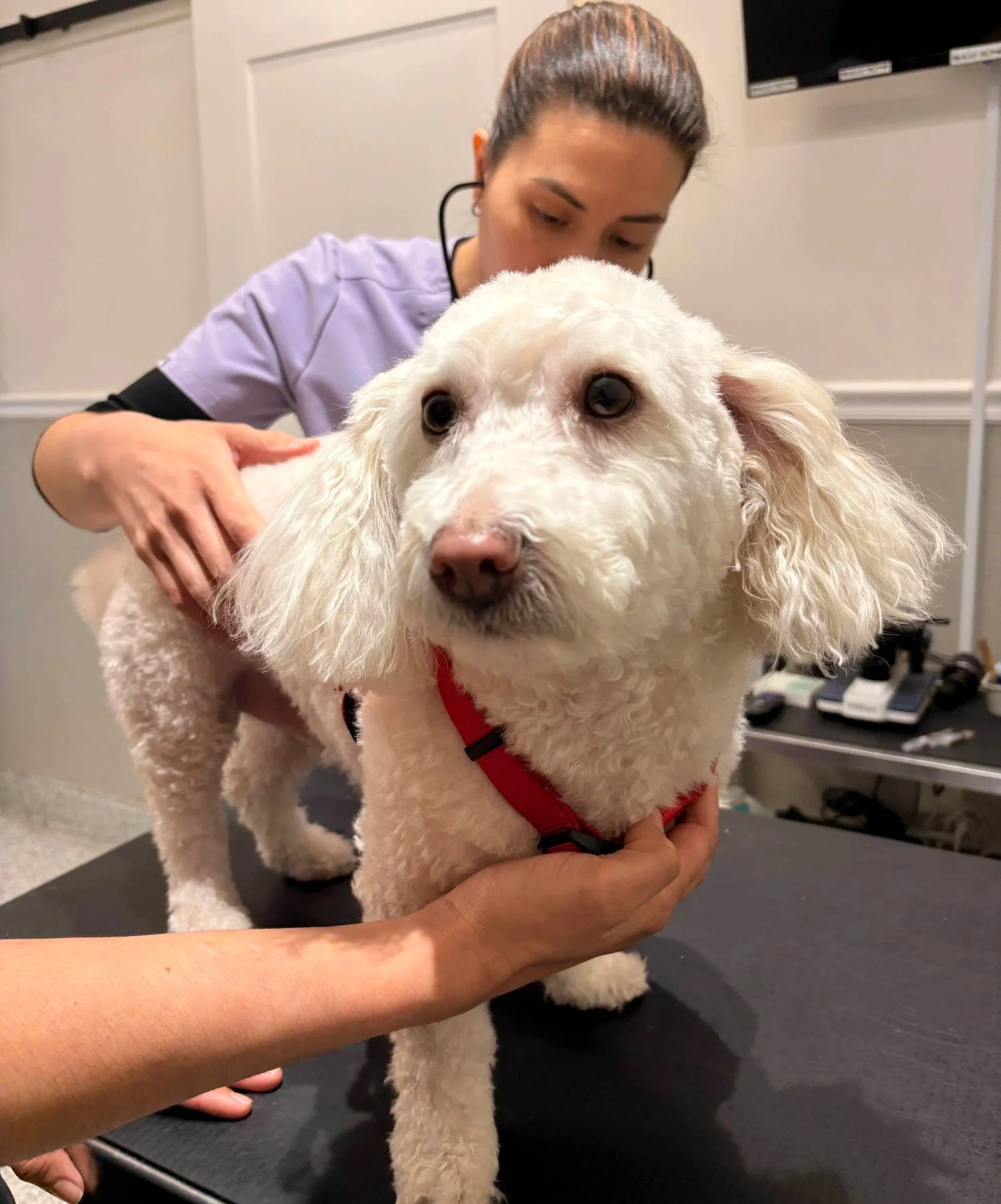
During a dog dental cleaning evaluation, we look for tartar, gum redness, odor, missing or broken teeth, oral masses, loose teeth, and signs of discomfort. We will also ask what you have noticed at home, such as chewing on one side, dropping food, avoiding hard treats, pawing at the mouth, or acting sensitive around the face.
Small dogs, senior dogs, and dogs with crowded teeth may need extra dental attention, but any dog can develop oral disease. If you live near Newark, Ironbound, Harrison, Kearny, Belleville, or nearby North Jersey and your dog has persistent bad breath or visible tartar, schedule an exam before the problem becomes more painful.
Cat Dental Cleaning in Newark & Ironbound, NJ

Watch for drooling, bad breath, less interest in dry food, chewing oddly, dropping food, hiding more, reduced grooming, or reacting when touched near the mouth. Cat dental cleaning visits help identify tartar, gum inflammation, painful teeth, and other oral concerns.
Could your cat be hiding dental pain? Cats often keep eating, grooming, and acting normal even when their mouth hurts. Small changes can matter.
If you live in Newark, Ironbound, Harrison, Kearny, Belleville, or a nearby North Jersey community, a cat dental exam can help you understand what is happening before symptoms become harder to manage. Our veterinary team can look for signs of oral discomfort, explain whether a cleaning may be recommended, and help you decide what your cat needs next.
Cats can also develop tooth resorption, a painful condition that may not be obvious during a quick look at home. If your cat is newly adopted, entering the senior years, has unknown medical records, or has never had a dental evaluation, schedule an oral health exam.
Pet Dental Extractions in Newark & Ironbound, NJ
Worried your pet may need a tooth removed? A dental extraction may be recommended when a tooth is loose, fractured, infected, resorbing, severely diseased, or causing pain that cannot be resolved with cleaning alone.
The goal is not to remove teeth unnecessarily. The goal is to address teeth that are no longer healthy or comfortable. Some teeth look only mildly abnormal from the outside but have deeper disease below the gumline. Others are visibly broken, mobile, or surrounded by inflamed tissue.
If your dog or cat is pawing at the mouth, chewing on one side, avoiding hard food, dropping food, or acting uncomfortable when you touch the face, a dental exam can help determine whether an extraction should be considered. Pet dental extractions in Newark are planned around comfort, safety, and the specific tooth or teeth causing concern.
For pets in Newark, Ironbound, Harrison, Kearny, Belleville, and nearby North Jersey communities, our veterinary team can walk you through why an extraction may be recommended, what happens before the procedure, and what recovery may look like at home. You will not be left guessing about whether the tooth can stay, whether it should come out, or what your pet needs next.
If an extraction is recommended, our veterinary team will explain the concern, discuss the plan, and give you clear home-care instructions for recovery.
Dog Dental Extractions in Newark & Ironbound, NJ

Do you see swelling near your dog's muzzle, bleeding from the mouth, a sudden chewing change, strong odor, or a tooth that looks cracked or loose? Schedule a dental evaluation instead of waiting to see if it improves. Even a tooth that looks ready to fall out can leave pain, infection, or root fragments behind.
Is your dog chewing on one side, dropping food, or acting sensitive around the mouth? Dog dental extractions may be needed when teeth are broken, loose, infected, crowded, retained, or painful even if the problem looks small from the outside.
If your dog needs an extraction, we will send you home with clear instructions for medication, food, activity, and what to watch for. Call us if your dog will not eat, seems very painful, has repeated bleeding, develops swelling, or shows a change that worries you after the visit.
Cat Dental Extractions in Newark & Ironbound, NJ
Is your cat still eating but acting just a little off? Cat dental extractions may be recommended for tooth resorption, fractured teeth, loose teeth, advanced periodontal disease, or teeth that are painful and cannot be saved.
If your cat needs an extraction, we will explain why the tooth is a problem and what recovery should look like at home. Many cats adjust well after diseased teeth are removed, but the plan should fit your cat's mouth, comfort level, and overall health.
Watch for drooling, pawing at the mouth, bad breath, dropping food, chewing on one side, reduced grooming, hiding, irritability, or blood around the mouth. Some cats show almost none of these signs, which is why an exam matters if something feels different.
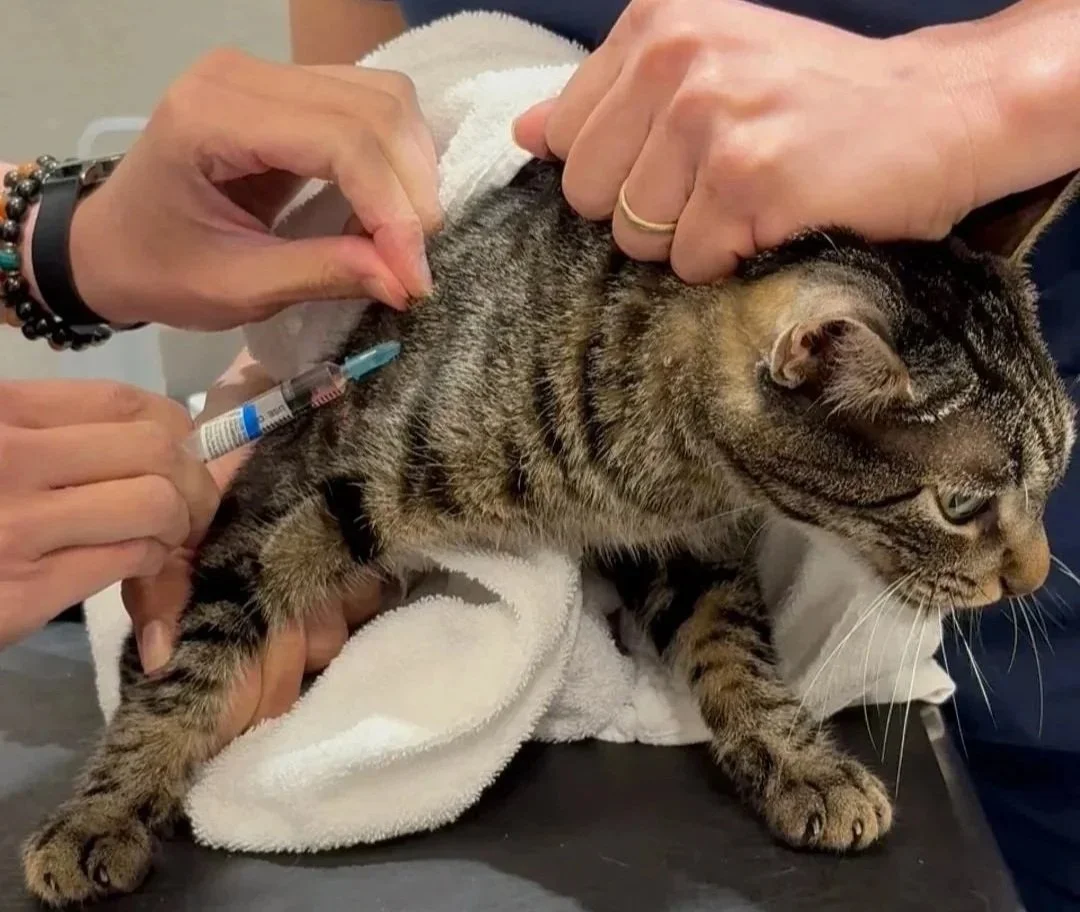
Signs Your Pet May Need Dental Care
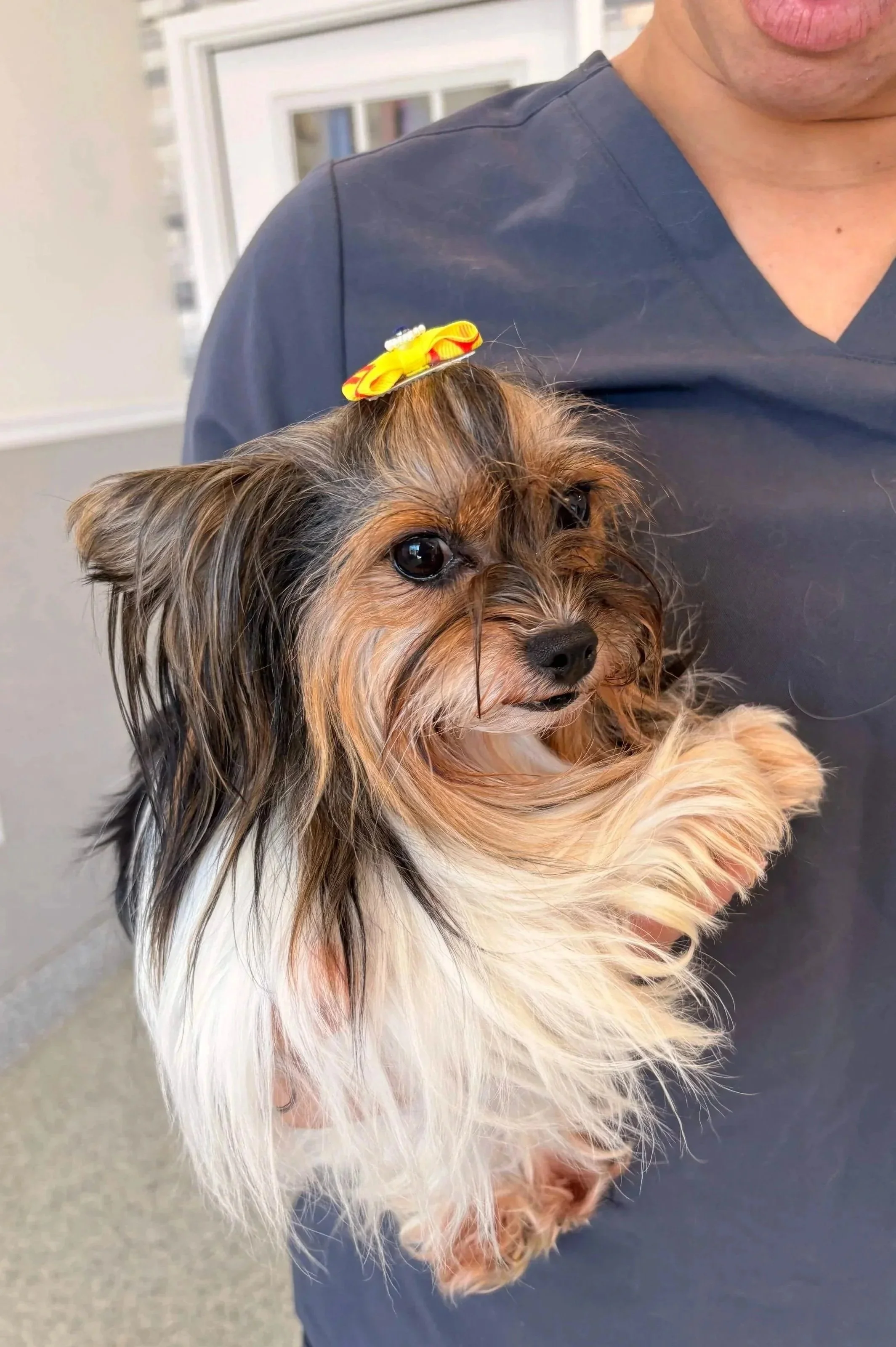
Schedule a dental evaluation if you notice:
Bad breath that does not improve
Yellow or brown tartar on the teeth
Red, swollen, or bleeding gums
Loose, broken, or missing teeth
Drooling or blood-tinged saliva
Pawing at the mouth or rubbing the face
Chewing on one side of the mouth
Dropping food or avoiding hard food
Swelling around the face, jaw, or muzzle
Reduced appetite, hiding, irritability, or behavior changes
Do any of these sound familiar? Dental disease can be easy to miss because pets rarely show mouth pain clearly. You may notice one obvious sign, several small changes, or nothing until a veterinarian checks the mouth during an exam.
Not sure what the signs mean? That is exactly what the exam is for. Bad breath may point to a cleaning, while facial swelling, a fractured tooth, or a sudden eating change may need faster attention. We can help you sort out the difference.
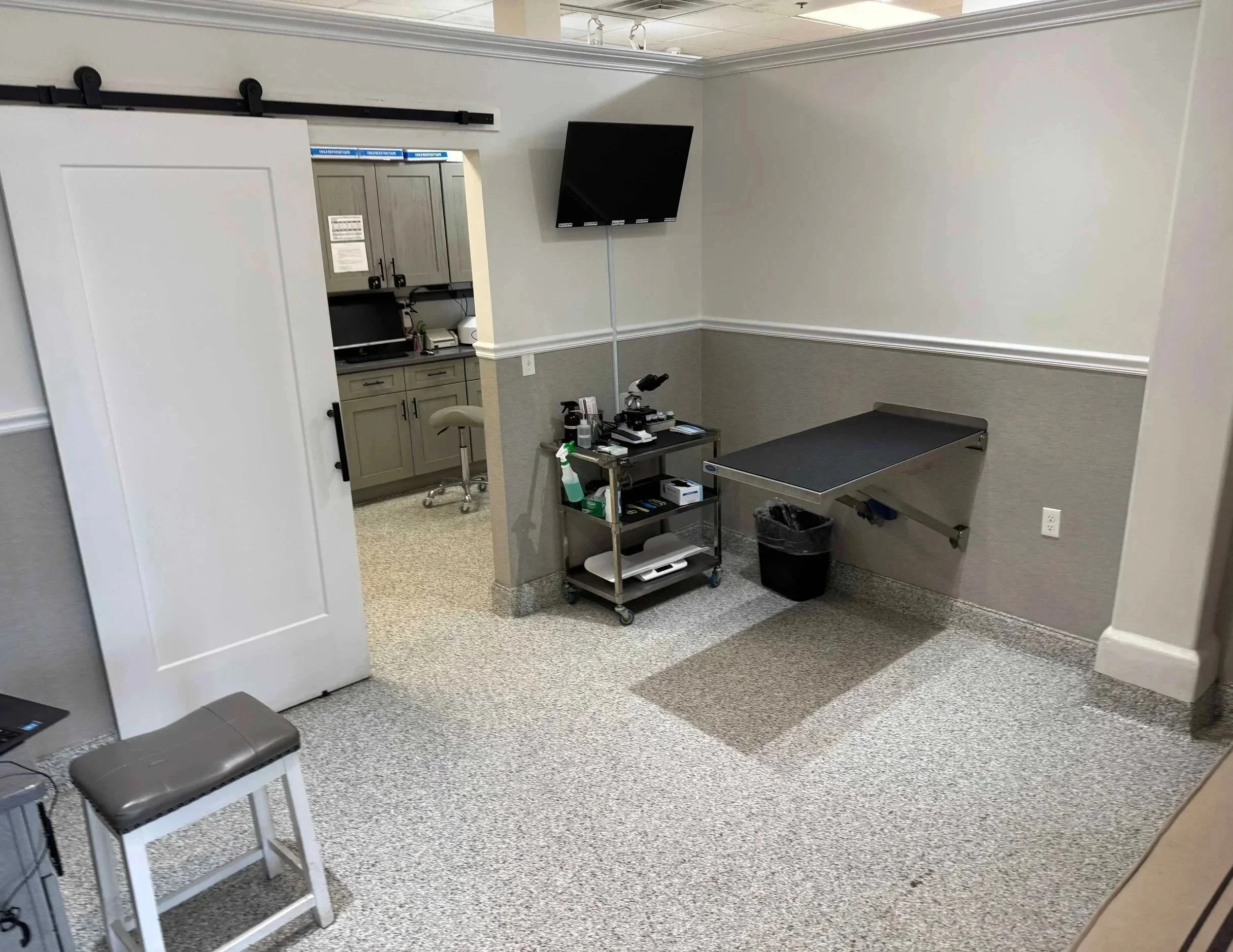
What to Expect During a Veterinary Dental Visit
What happens first? Your pet's dental plan usually begins with an exam. Our veterinarian will look at the teeth and gums as much as your pet comfortably allows while awake, ask what you have noticed at home, and explain whether cleaning, extractions, lab testing, medication, or another step should be considered.
If a dental procedure is recommended, what should you expect before the visit? We will explain the preparation steps clearly. Depending on your pet's age, health, and procedure plan, preparation may include:
A current physical examination
Review of vaccines, medications, and health history
Pre-anesthetic bloodwork when recommended
Food and water instructions before the procedure
A discussion of medical concerns or past anesthetic reactions
A home recovery plan for after the dental visit
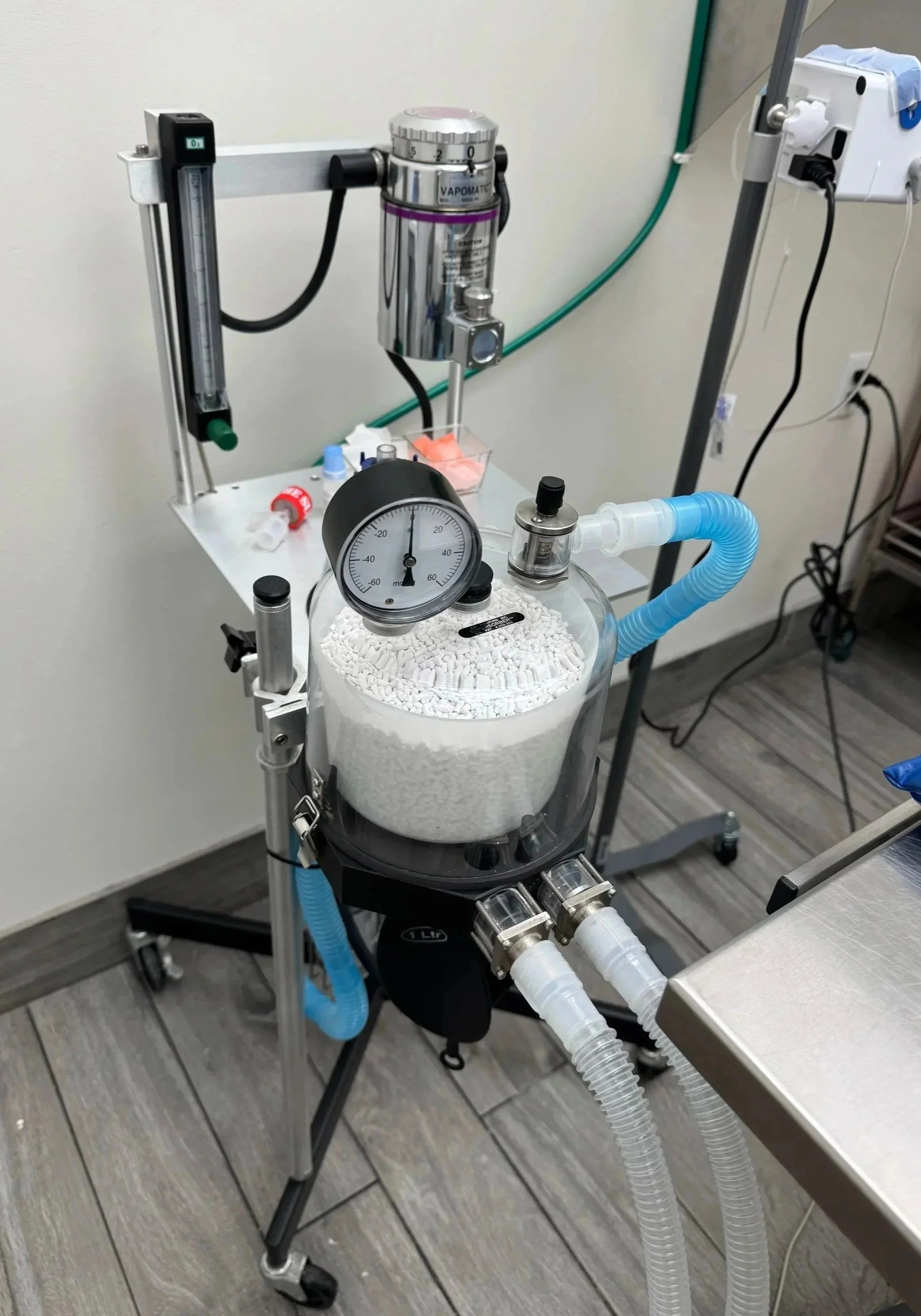
Wondering why anesthesia is usually part of veterinary dental care? Dogs and cats need to stay still, comfortable, and protected while the mouth is examined and treated. Anesthesia also allows the team to evaluate areas below the gumline more safely and thoroughly than an awake cosmetic cleaning can.
Worried about anesthesia, timing, or recovery? Tell us what concerns you. Our veterinary team will explain what we know, what we still need to check, and what information is needed before scheduling a dental procedure.
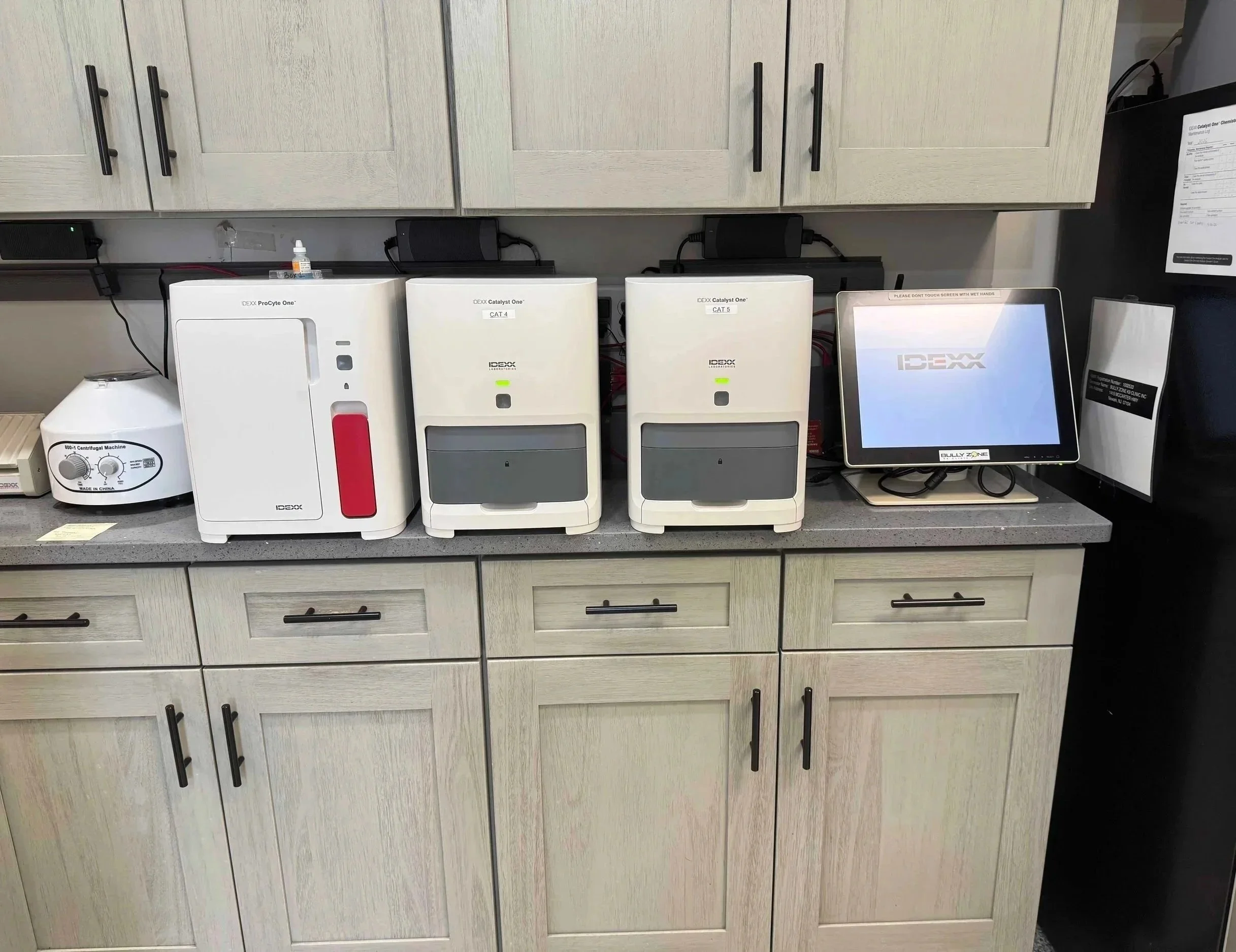
Dental Cleaning, Extractions, and Pre-Anesthetic Bloodwork
Why does bloodwork come up during a dental conversation? Because your pet's mouth is only one part of the plan. Age, medications, heart health, kidney and liver function, comfort level, and procedure needs can all affect how dental care should be planned.
If your pet may need anesthesia for a dental cleaning or extraction, pre-anesthetic bloodwork may be recommended. It helps evaluate organ function and can reveal changes that affect the procedure plan. It does not remove every risk, but it gives the veterinarian better information before moving forward.
Is your pet older, taking medication, managing a known condition, or overdue for lab testing? Ask us whether pet bloodwork should be done before dental care. We can help coordinate dental planning with wellness exams, sick pet visits, and other veterinary needs when appropriate.
At-home dental care can help slow plaque buildup, but it cannot remove established tartar below the gumline or treat diseased teeth. Some pets tolerate tooth brushing, dental diets, water additives, chews, or other oral health products. If your pet resists brushing suddenly, chews differently, or acts uncomfortable, stop and schedule an exam instead of forcing it.
At-Home Dental Care for Dogs and Cats in Newark, NJ
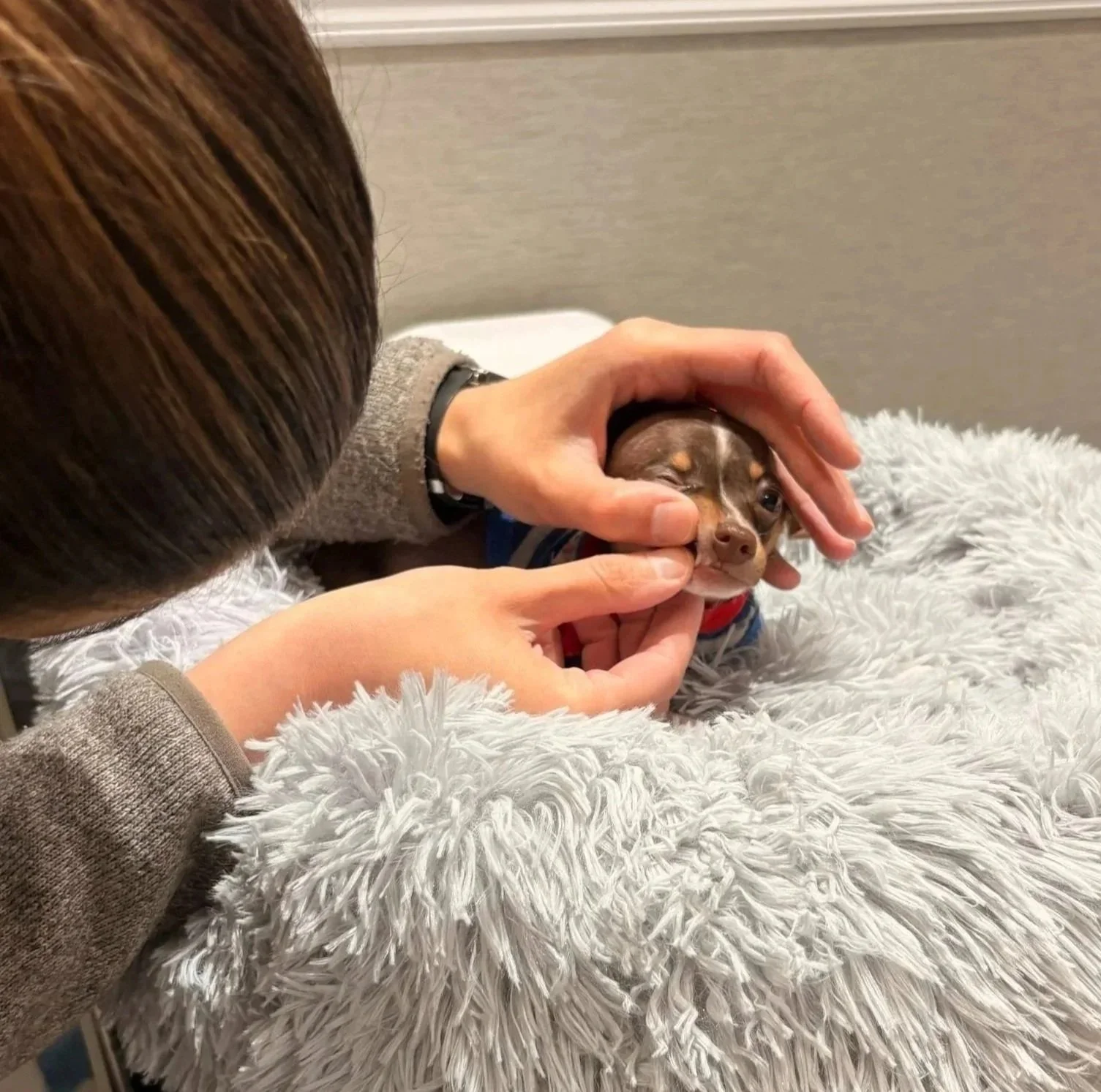
Trying to help your pet's teeth at home? That is a good instinct, but home care has limits. Brushing, dental diets, water additives, and chews may help slow plaque buildup, but they cannot remove established tartar below the gumline or treat diseased teeth.
If your pet suddenly resists brushing, chews differently, drops food, or acts uncomfortable, stop and schedule an exam instead of forcing home care. A painful mouth needs veterinary attention before a home routine will be useful.
Want to know what is safe for your dog or cat? Ask our team which dental home-care options make sense. The best plan depends on your pet's size, chewing habits, current mouth health, diet, and willingness to cooperate.
Pet Dental Care Near Ironbound, Harrison, Kearny, Belleville, and Newark
Looking for pet dental care near Newark, Ironbound, Harrison, Kearny, Belleville, or nearby North Jersey? The Veterinarian Pet Alliance is located at 1415 McCarter Highway in Newark, along the Passaic River corridor.
We provide pet dental cleaning and dental extraction care for dogs and cats from Downtown Newark, the Ironbound, East Ward, University Heights, the North Ward, Harrison, Kearny, Belleville, Bloomfield, East Orange, North Arlington, South Orange, and surrounding communities.
If you are searching for dog dental cleaning, cat dental cleaning, dog dental extractions, or cat dental extractions near Newark, start with an exam. Dental problems rarely become easier by waiting.
Why Choose Veterinarian Pet Alliance for Your Pet’s Dental Care?
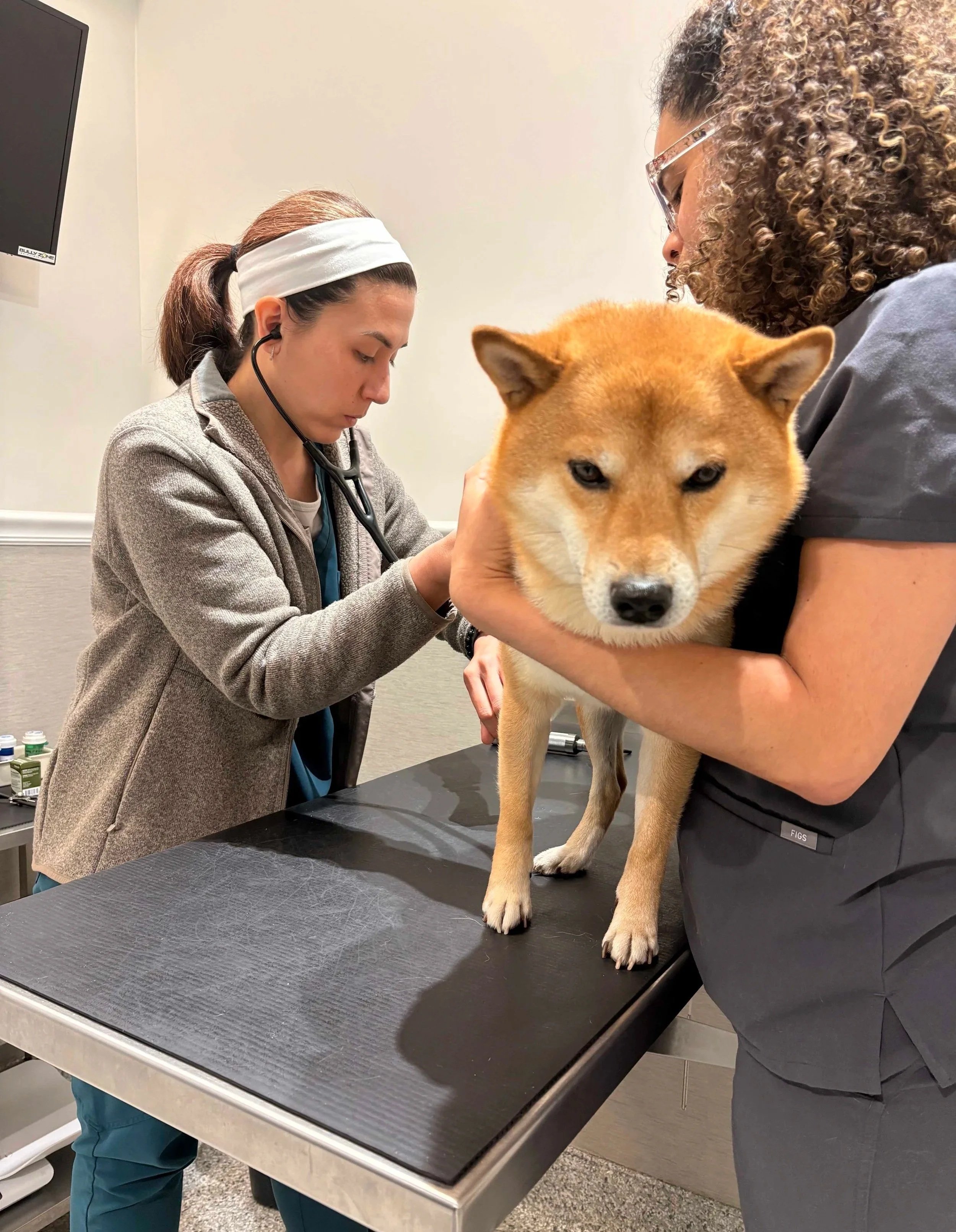
Worried about what is really happening in your pet's mouth? Nervous about anesthesia, extractions, cost, recovery, or whether your pet is in pain? You deserve a veterinary team that explains the plan in plain language.
At the Veterinarian Pet Alliance, we take time to examine your pet, listen to what you have noticed at home, and discuss dental care options that fit your pet's needs. You do not have to decode dental disease on your own.
Our Newark animal hospital can help with:
Dental care for dogs and cats
Bad breath, tartar, gum inflammation, loose teeth, and oral pain
Dental cleaning planning
Dental extraction planning when appropriate
Recovery instructions for home care
Coordination with wellness exams, sick pet visits, and other medical needs
Ready to understand what is going on in your pet's mouth? Schedule a dental care visit with our Newark veterinary team.
Frequently Asked Questions About Pet Dental Cleaning and Extractions
Do you have questions about your pet's bad breath, tartar, anesthesia, or whether a tooth may need to come out? You are not expected to figure this out from a photo or a quick look at the gums.
Use the answers below to understand what may be happening, then schedule a dental evaluation if your dog or cat has mouth pain, swelling, bleeding, a broken tooth, trouble chewing, or a sudden change in appetite.
Live near Newark, Ironbound, Harrison, Kearny, Belleville, Bloomfield, East Orange, North Arlington, or nearby North Jersey? The Veterinarian Pet Alliance can examine your pet's mouth and help you choose the next step for dental care.
-
If you are noticing bad breath, yellow or brown tartar, red gums, drooling, chewing changes, or sensitivity around the mouth, your pet may need a dental evaluation. Some pets hide dental pain, so an exam is the best way to know whether a cleaning should be planned.
-
Persistent bad breath can be a sign of dental disease, especially if you also see tartar, red gums, loose teeth, or changes in chewing. Do not just cover it up with treats. Let our veterinary team examine your pet's mouth and explain the next step.
-
Most veterinary dental cleanings for dogs and cats require anesthesia so your pet can stay still, comfortable, and protected while the mouth is examined and treated. Anesthesia also allows the team to clean and evaluate areas that cannot be handled properly during an awake cosmetic scaling.
-
Your pet may need a dental extraction if a tooth is loose, fractured, infected, resorbing, severely diseased, or painful. The goal is not to remove teeth unnecessarily. The goal is to address teeth that are causing pain or cannot be made healthy with cleaning alone.
-
After an extraction, we will give you home-care instructions for food, medication, activity, and what to watch for. Call us if your pet refuses food, seems very painful, has repeated bleeding, develops swelling, or shows a concerning change after going home.
-
Yes. Cats often hide dental pain and may keep eating even with significant oral disease. Watch for drooling, bad breath, dropping food, chewing differently, hiding, reduced grooming, irritability, or any change that feels unusual for your cat.
-
Pre-anesthetic bloodwork is often recommended before dental cleanings, dental extractions, and other procedures involving anesthesia. Bloodwork helps evaluate organ function and may identify concerns that could affect the procedure plan.
-
Yes. The Veterinarian Pet Alliance provides pet dental cleaning, dog dental cleaning, cat dental cleaning, pet dental extractions, dog dental extractions, and cat dental extractions at our animal hospital in Newark, NJ. We also serve pets from Ironbound, Harrison, Kearny, Belleville, Bloomfield, East Orange, North Arlington, and nearby North Jersey communities.
-
Home care can help slow plaque buildup, but it cannot remove established tartar below the gumline or treat diseased teeth. If your pet already has bad breath, tartar, red gums, or mouth pain, schedule a dental evaluation before relying on brushing alone.
-
Schedule a dental visit if you notice bad breath, visible tartar, red or bleeding gums, loose or broken teeth, drooling, pawing at the mouth, chewing on one side, dropping food, facial swelling, or a change in appetite or behavior.
-
Do not try to pull a loose tooth at home. A broken or loose tooth can involve pain, infection, or root damage that needs veterinary care. Schedule an exam so we can check the mouth and explain whether cleaning, extraction, medication, or another step is appropriate.