
Spay & Neuter Surgery in Newark, NJ
Surgical planning for dogs, cats, puppies, and kittens in Newark and nearby North Jersey communities.
Whether you are raising a new puppy near Branch Brook Park, caring for an indoor kitten in the Ironbound, or helping a recently adopted adult pet settle into a home near University Heights, you need clear answers and guidance. Our veterinary team will explain timing, preparation, the procedure, and recovery in language that makes sense, then will help you decide what comes next.
Deciding when to spay or neuter your pet is personal. You want to prevent an unexpected litter, but you also want a surgical plan that reflects your pet's age, breed, size, health history, and daily life. The Veterinarian Pet Alliance provides spay and neuter surgery in Newark, NJ, with an individualized conversation before the procedure is booked on the calendar.
Spay surgeries, neuter surgeries, and cryptorchid neuter surgeries for dogs and cats are related services, but they are not interchangeable experiences. Your visit at our Newark animal hospital begins with the pet in front of us, not a generic age chart or a rushed recommendation.
Spay and Neuter Surgery for Dogs and Cats in Newark, NJ
Spay and neuter surgery prevents dogs and cats from reproducing, but reproductive control is only one part of the decision. Depending on your pet’s individual behavior and characteristics, surgery will also prevent certain reproductive diseases and reduce the likelihood of some hormone-related behaviors. The right discussion balances those potential benefits with your pet's health, development, and lifestyle.
A young cat from Harrison, a small-breed dog living near Military Park, and a large-breed puppy from Kearny will not automatically receive the same spay and neuter timing recommendation. Our veterinary team will review your pet’s species, sex, projected adult size, breed-related considerations, medical history, and household needs before advising you about spay and neuter surgery in Newark, NJ.
If your pet is still growing, our puppy and kitten care page will help you plan the other milestones that surround surgery. Vaccines, routine examinations, parasite prevention, and developmental changes all influence how the larger care plan comes together for families throughout Newark, Belleville, Bloomfield, and East Orange.
Spay Surgery in Newark & Ironbound, NJ
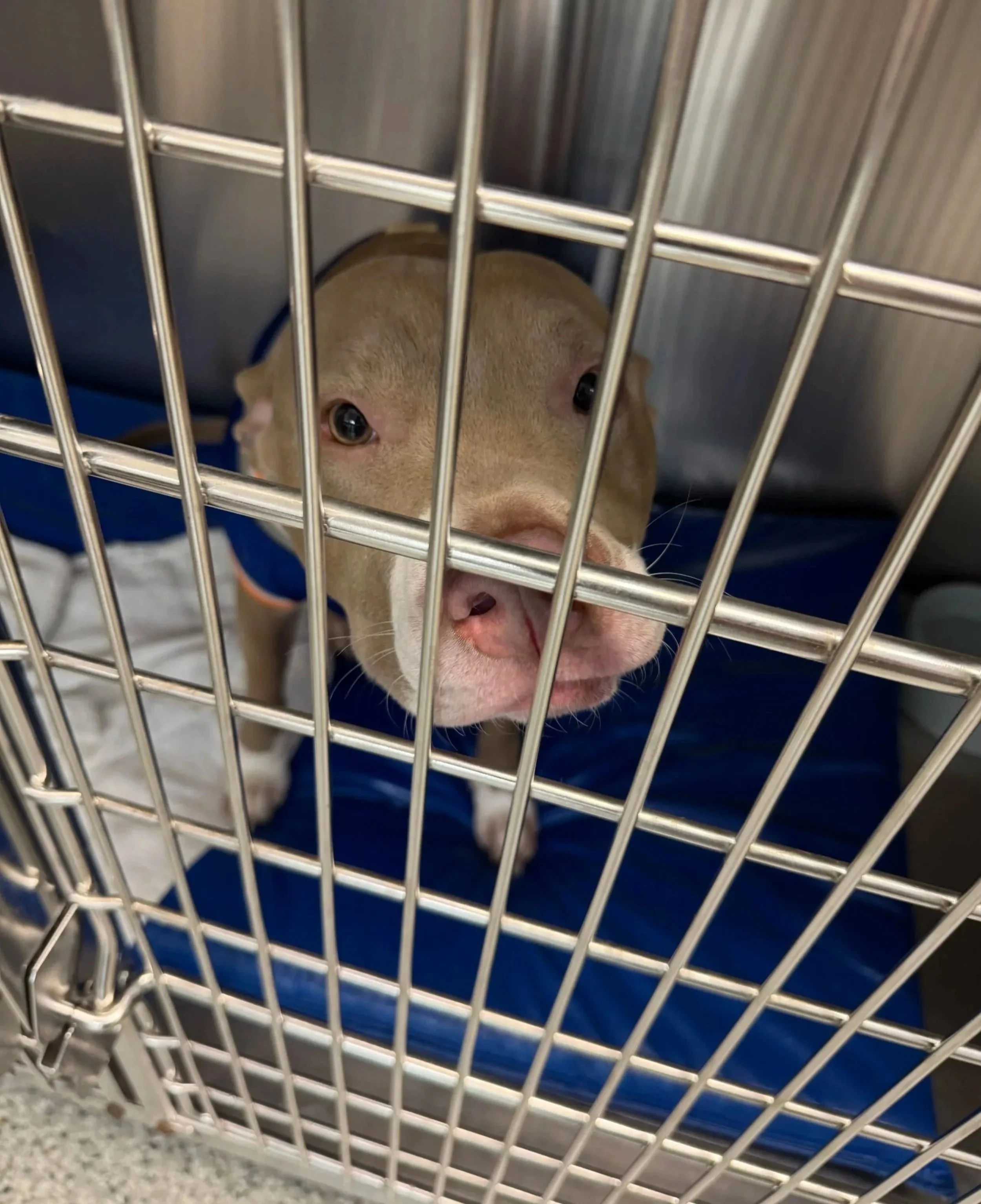
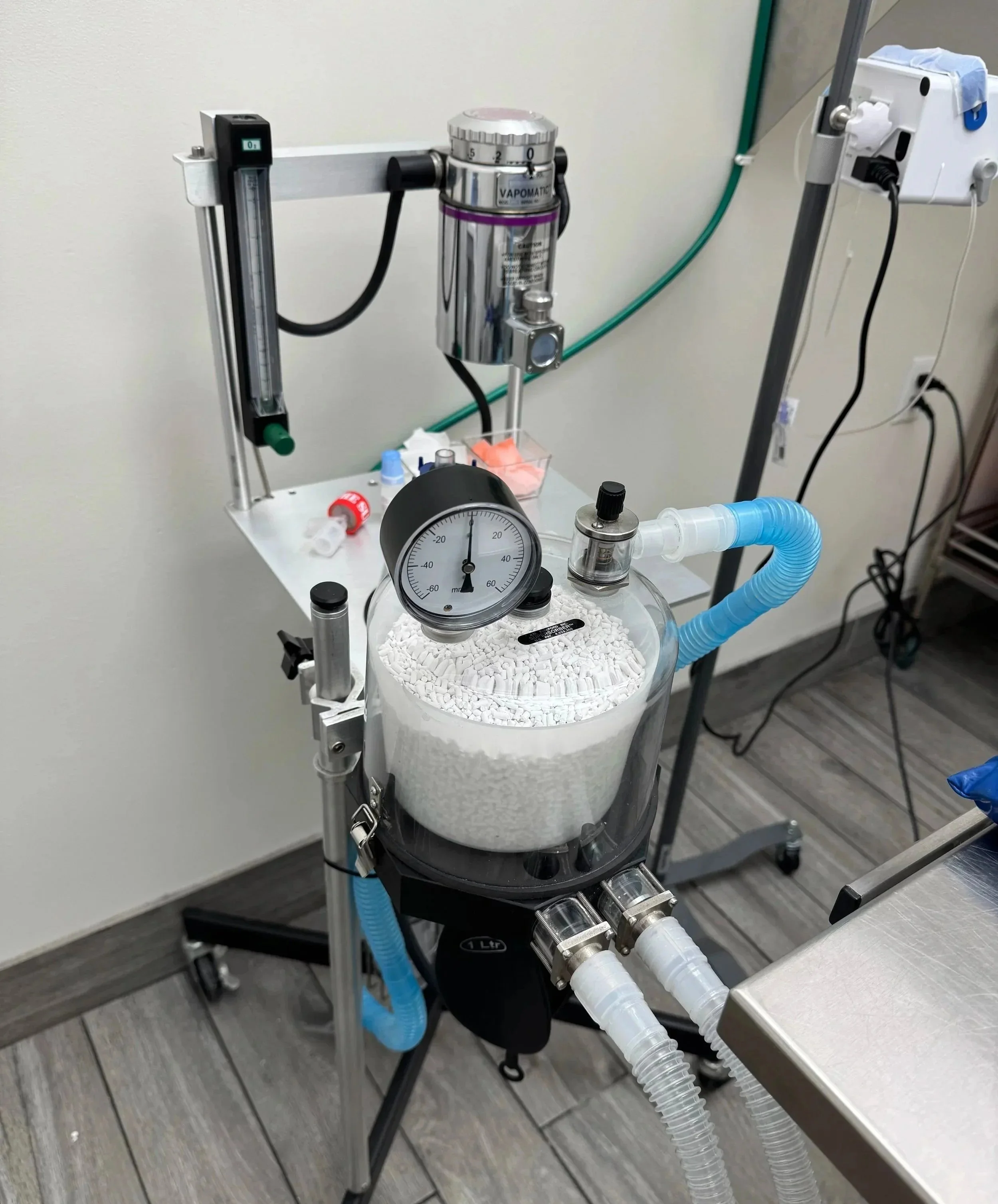
Spay surgery is performed on female dogs and cats by removing reproductive organs so the pet cannot become pregnant. It is an abdominal procedure performed under anesthesia, which means thoughtful preparation and protected recovery matter. Our veterinary team will review the plan with you before your pet's spay surgery in Newark, NJ.
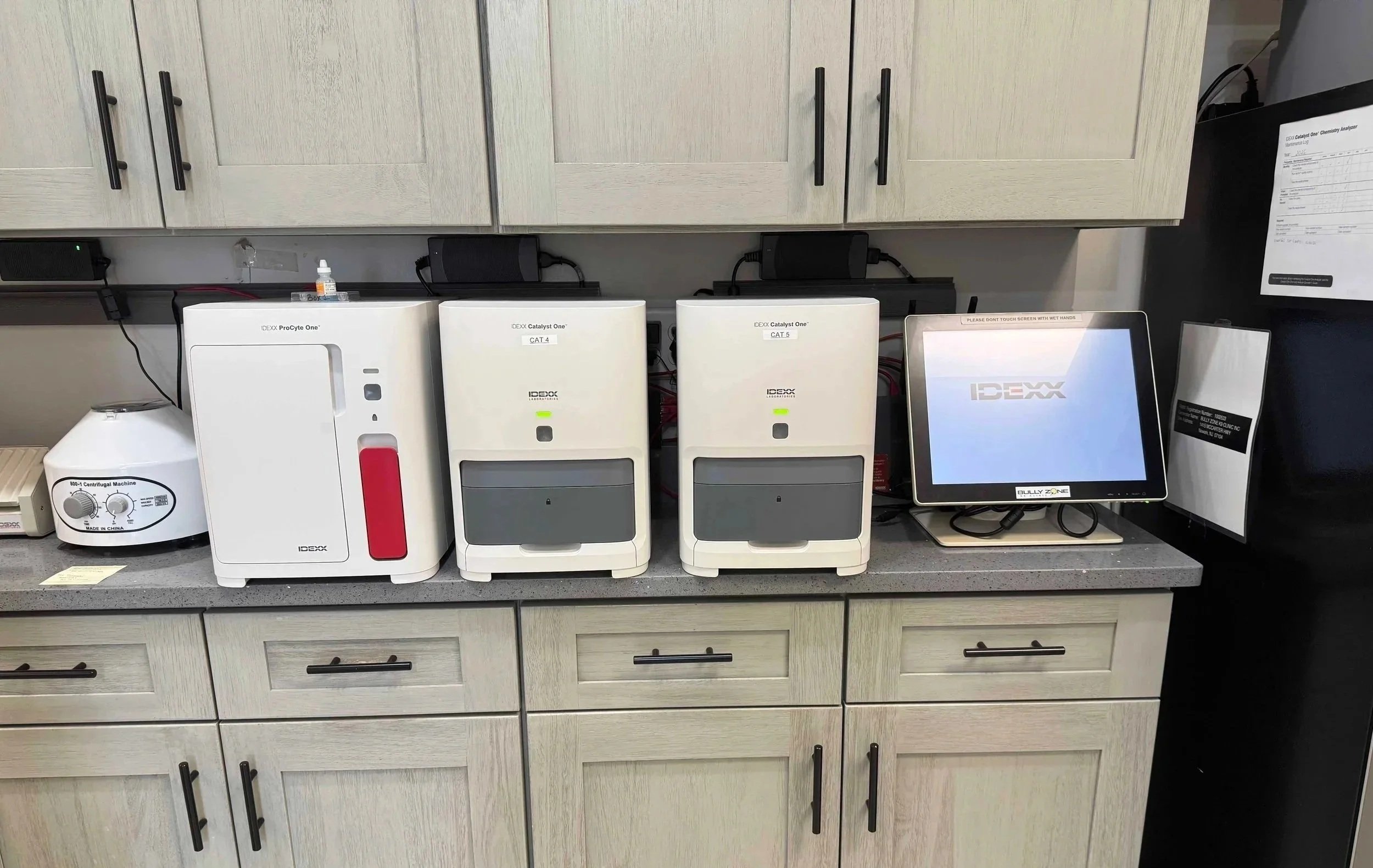
Before scheduling, we will consider your pet’s age, weight, breed, heat-cycle history, medications, previous conditions, and current health. In certain situations, our veterinarians will need to run bloodwork and lab testing on your pet to get additional information that supports anesthesia and surgical planning. We will explain which testing is recommended for your pet and why.Sometimes the results are reassuring. Sometimes they show that more care is needed. Either way, pet bloodwork gives you and our veterinary team better information.
Pet owners come to the Veterinarian Pet Alliance from Downtown Newark, the East Ward, Harrison, and neighborhoods along the Passaic River because local access makes preparation and follow-up easier. You will leave the planning visit knowing what information we need, what you need to do before surgery, and how to prepare a safe recovery space at home.
Dog Spay Surgery in Newark & Ironbound, NJ
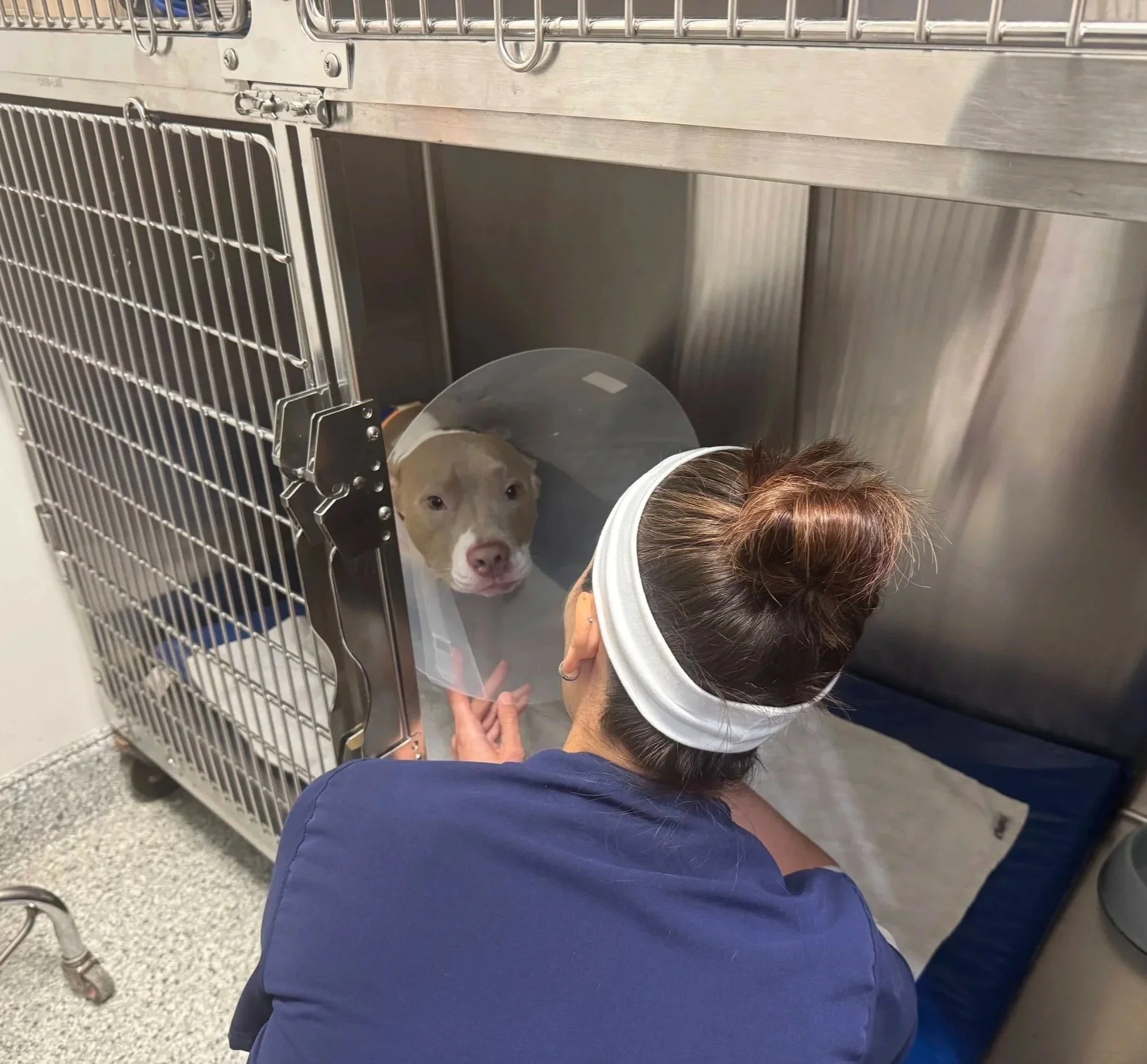
What is the best age to schedule a dog spay? The answer depends on more than your puppy's birthday. Projected adult size, breed, health risks, heat-cycle history, and lifestyle will influence the recommendation, so our veterinary team will discuss the tradeoffs instead of assigning your dog a standard date.Is your dog vomiting, having diarrhea, eating less, losing weight, drinking more water, urinating more often, coughing, or acting tired? Are you preparing for a dental cleaning, mass removal, neuter surgery, spay surgery, or another procedure?
This individualized approach matters for a compact apartment dog near Newark Penn Station and for a large-breed dog with room to run near Weequahic Park. If your dog has entered or recently completed a heat cycle, tell us when you book. That detail will help our team give you personalized guidance and determine the next appropriate steps for your dog.
A current wellness exam and annual checkup will give the veterinarian an opportunity to evaluate your dog's general health before dog spay surgery is scheduled. Please bring any records from a breeder, shelter, rescue, or previous hospital, especially if your family recently moved to Newark from Jersey City, North Arlington, or another nearby community.
Cat Spay Surgery in Newark & Ironbound, NJ
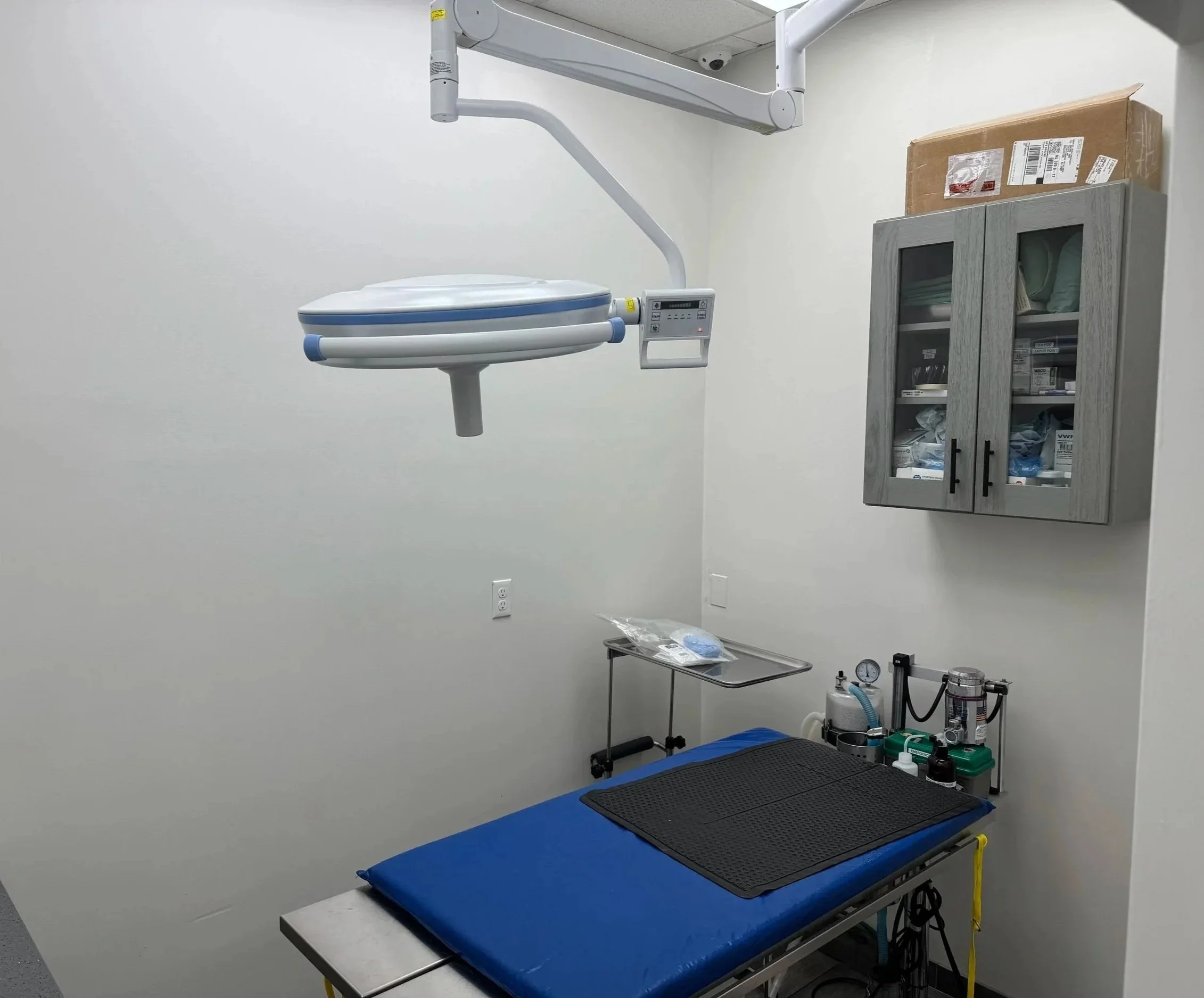
Cats often reach reproductive maturity while they still look and behave like kittens. A cat spay prevents pregnancy and future heat cycles, which otherwise might involve persistent meowing, restlessness, spraying or urine marking, or determined attempts to escape. Planning before those changes begin will make life more predictable for you and your cat.
Indoor cats need a cat spay plan too. A loose window screen in Forest Hill, an open apartment door in the Ironbound, or a brief dash into a hallway near Rutgers-Newark could be an opportunity for your indoor cat to make an unplanned escape. Our veterinary team will evaluate your cat or kitten's age, weight, health, and development before recommending surgery.Our veterinarians may recommend blood work if your cat has subtle symptoms, recurring issues, or changes that are hard to explain. Even small changes can matter.
If you adopted a cat with limited records from Newark, Bloomfield, Belleville, or East Orange, bring whatever information you have. The Veterinarian Pet Alliance will review the available vaccine history and explain whether pet vaccinations or another care step should be addressed before the procedure date.
Neuter Surgery in Newark & Ironbound, NJ
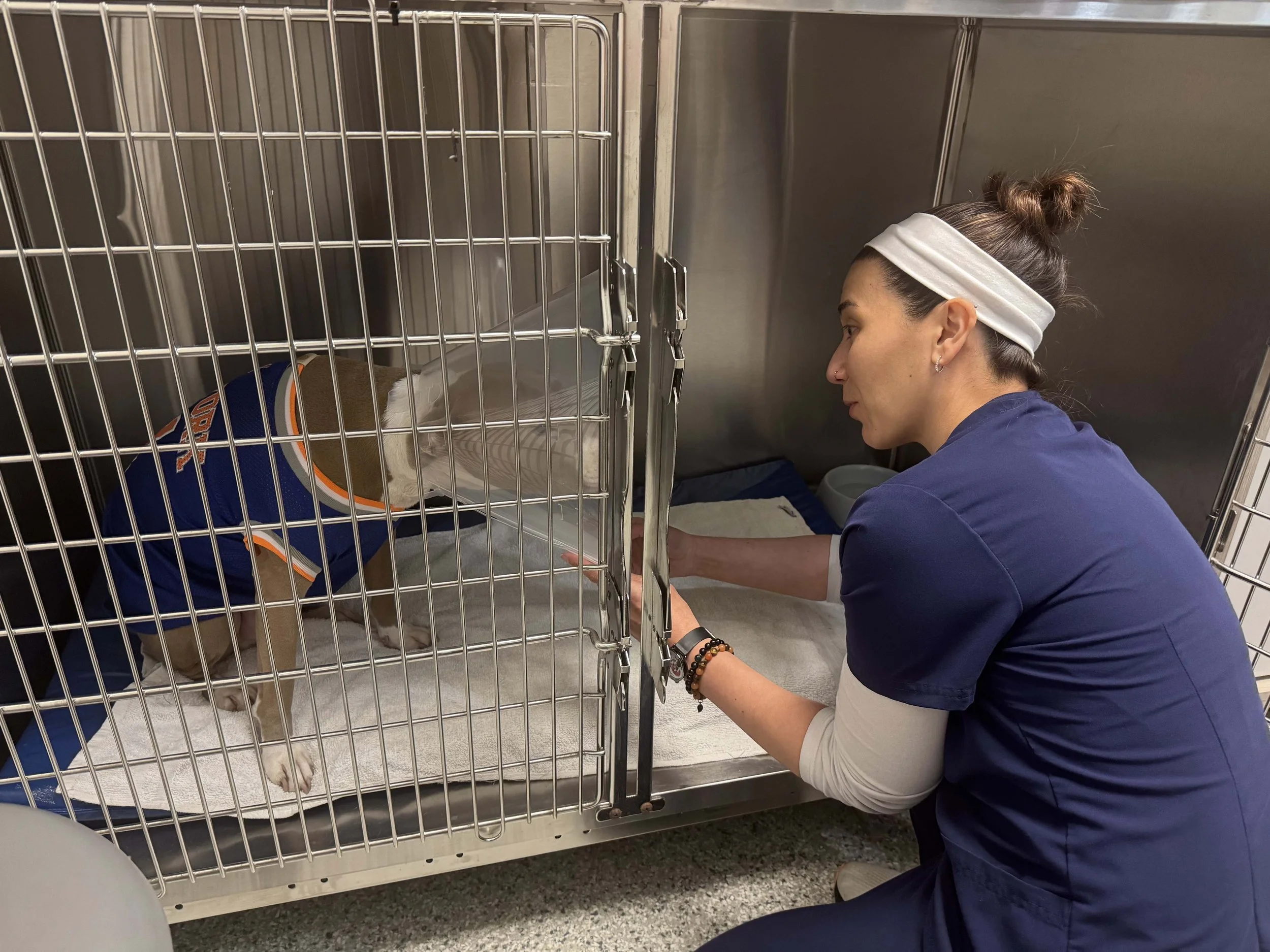
Neuter surgery is performed on male dogs and cats by removing the testicles. The procedure prevents reproduction and will reduce the likelihood of some hormone-driven behaviors, but it is not a guaranteed solution for every behavior concern. Your pet’s learned habits, environment, age, and temperament still shape what you see at home.Has your pet had diarrhea, soft stool, vomiting, weight loss, scooting, or digestive issues that keep coming back? Fecal testing checks your pet’s stool for signs of intestinal parasites and other digestive concerns.
Before neuter surgery in Newark, NJ, our veterinary team will assess your pet and explain preparation, anesthesia, incision care, and activity limits. If one or both testicles are not in the scrotum, please let us know when scheduling because the surgical approach will differ from a routine neuter surgery.
Families traveling from Lower Broadway, North Newark, Harrison, and Kearny often come to us for neuter surgery planning because we are located right on McCarter Highway. The Veterinarian Pet Alliance will make sure you understand the neuter procedure and will provide practical guidance that fits the realities of your home and pet, whether that means stairs, multiple pets, or an energetic young animal.
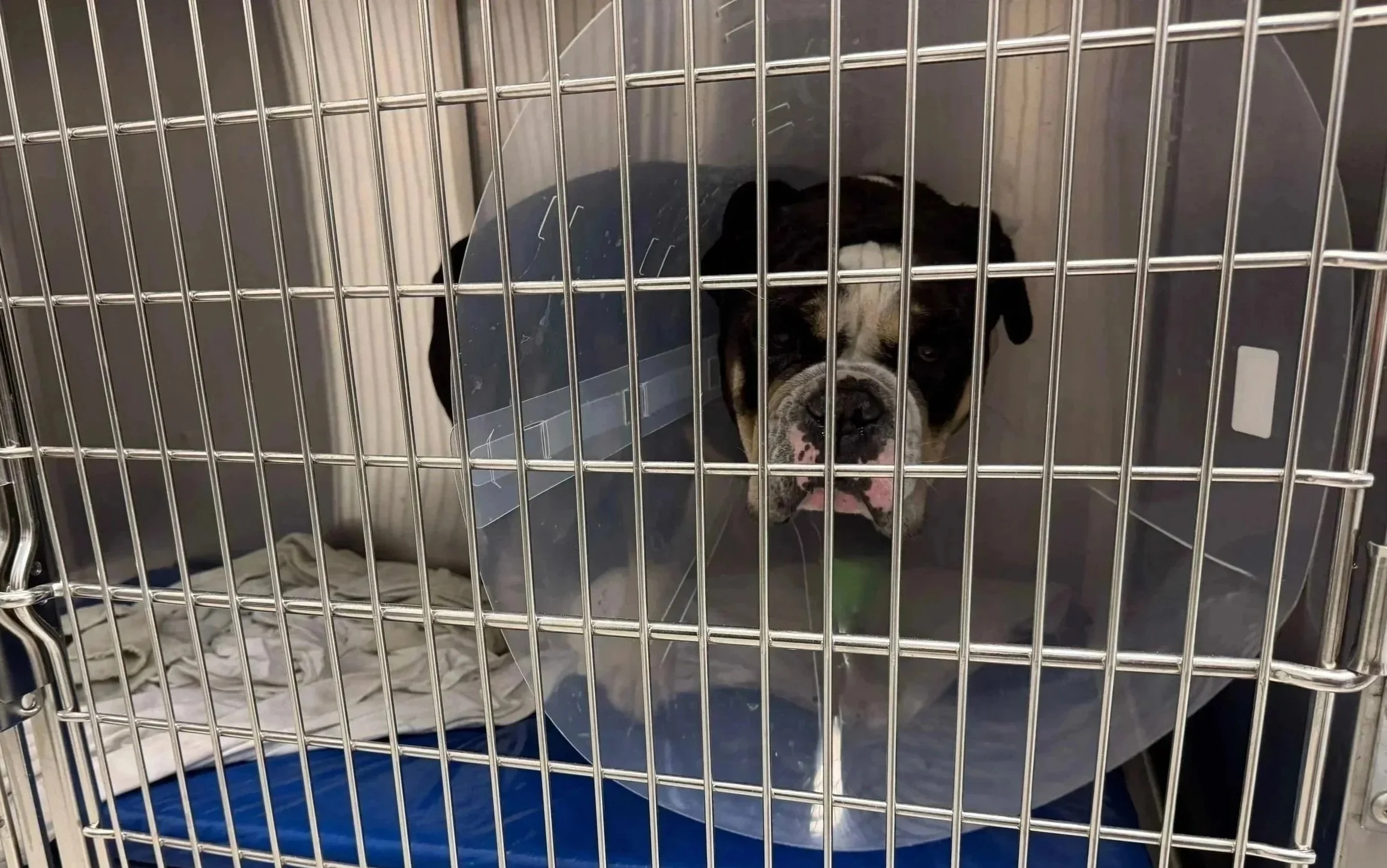
Dog Neuter Surgery in Newark & Ironbound, NJ
Is your dog nearing adulthood, newly adopted, or beginning to roam, mount, or mark? Tell us what has changed. A dog living near Independence Park in the Ironbound will have different routines than one visiting dog parks or spending weekends outside Newark. Those lifestyle details are important for us to give you personalized guidance for your dog.
A dog neuter plan should reflect how your dog is growing rather than relying only on your dog’s age and a standard calendar date. Smaller dogs usually mature earlier than larger dogs, and breed-related health considerations will influence our recommended timing for your dog’s neuter surgery. Our veterinary team will evaluate your dog as an individual and explain the reasoning behind our recommendation.Is your pet sick? What is causing this? Vomiting, diarrhea, lethargy, appetite loss, fever, coughing, weight loss, increased thirst, frequent urination, or behavior changes can be linked to many different conditions.
If our veterinarians recommend a separate or more complex procedure, please review our veterinary surgery for dogs and cats page and the broader surgical services we provide at our animal hospital. For a routine dog neuter surgery, we will focus our guidance on timing, current health, preparation, and the recovery plan you will manage at home.Not every sick pet needs the same tests. Some pets need bloodwork. Some need fecal testing. Others may need imaging, urine testing, or follow-up diagnostics.
Cat Neuter Surgery in Newark & Ironbound, NJ
Male cats might begin spraying, constantly meowing, roaming, or trying to escape as they approach sexual maturity. Neutering will reduce the likelihood of your pet displaying some testosterone-driven behaviors, particularly before they become established patterns. Neutering is not expected to change your cat's core personality.
For a cat neuter in Newark, our veterinary team will review your cat or kitten's age, weight, health, and vaccine history. We also will explain how to transport your cat safely, what instructions to follow before arrival, and how to keep an active cat or kitten calm after surgery. For many families, limiting their cat or kitten’s jumping and activity after neuter surgery is the hardest part.
Whether you live near Riverfront Park, Downtown Newark, the South Ward, or across the Passaic River in Harrison, our veterinarians will help you plan a safe and quiet indoor recovery area before the procedure. A bathroom, spare room, or secure section of your apartment or house will make it easier for you to monitor your cat’s eating habits, litter-box use, activity level, and surgical area.
Cryptorchid Neuter Surgery in Newark, NJ
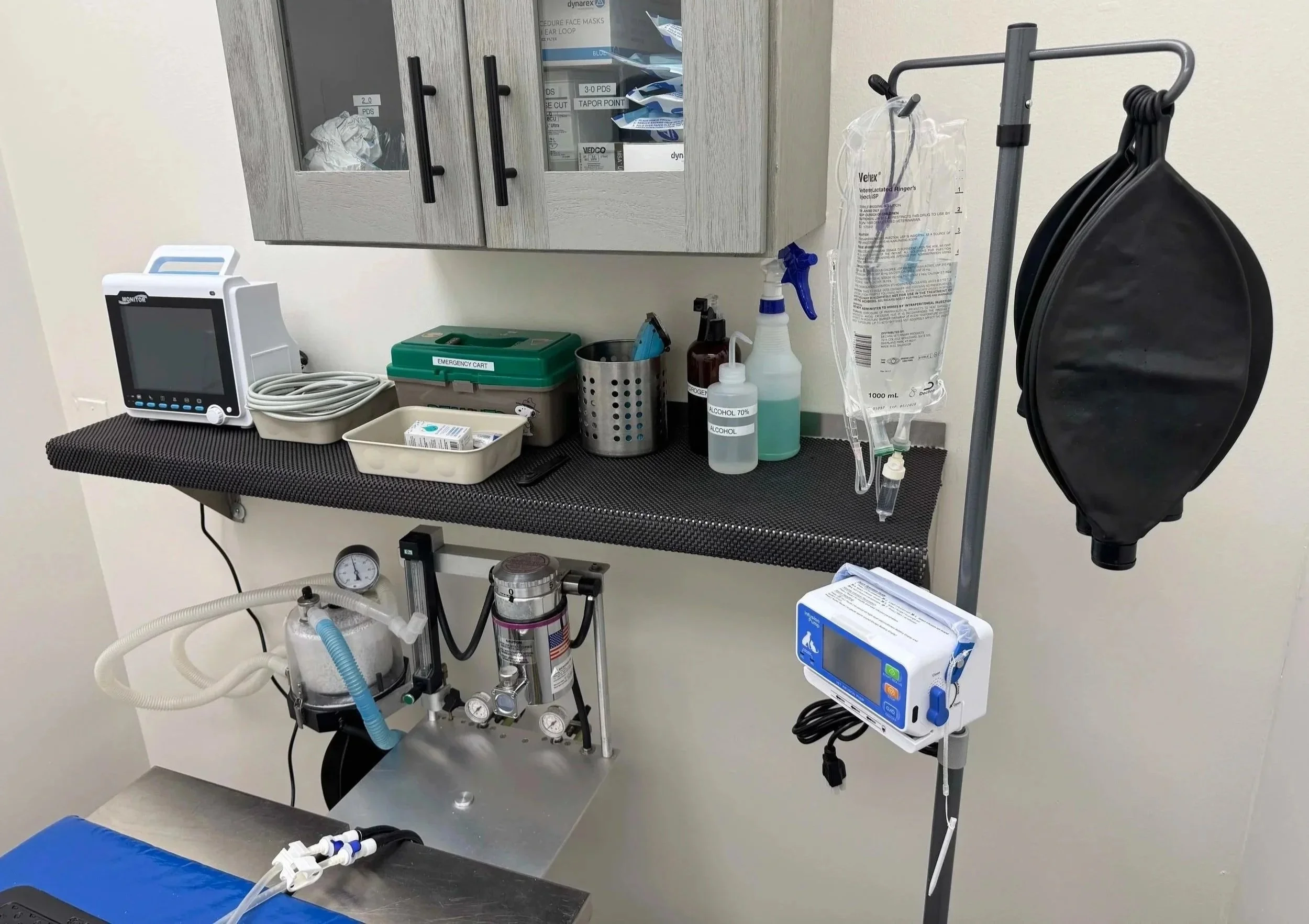
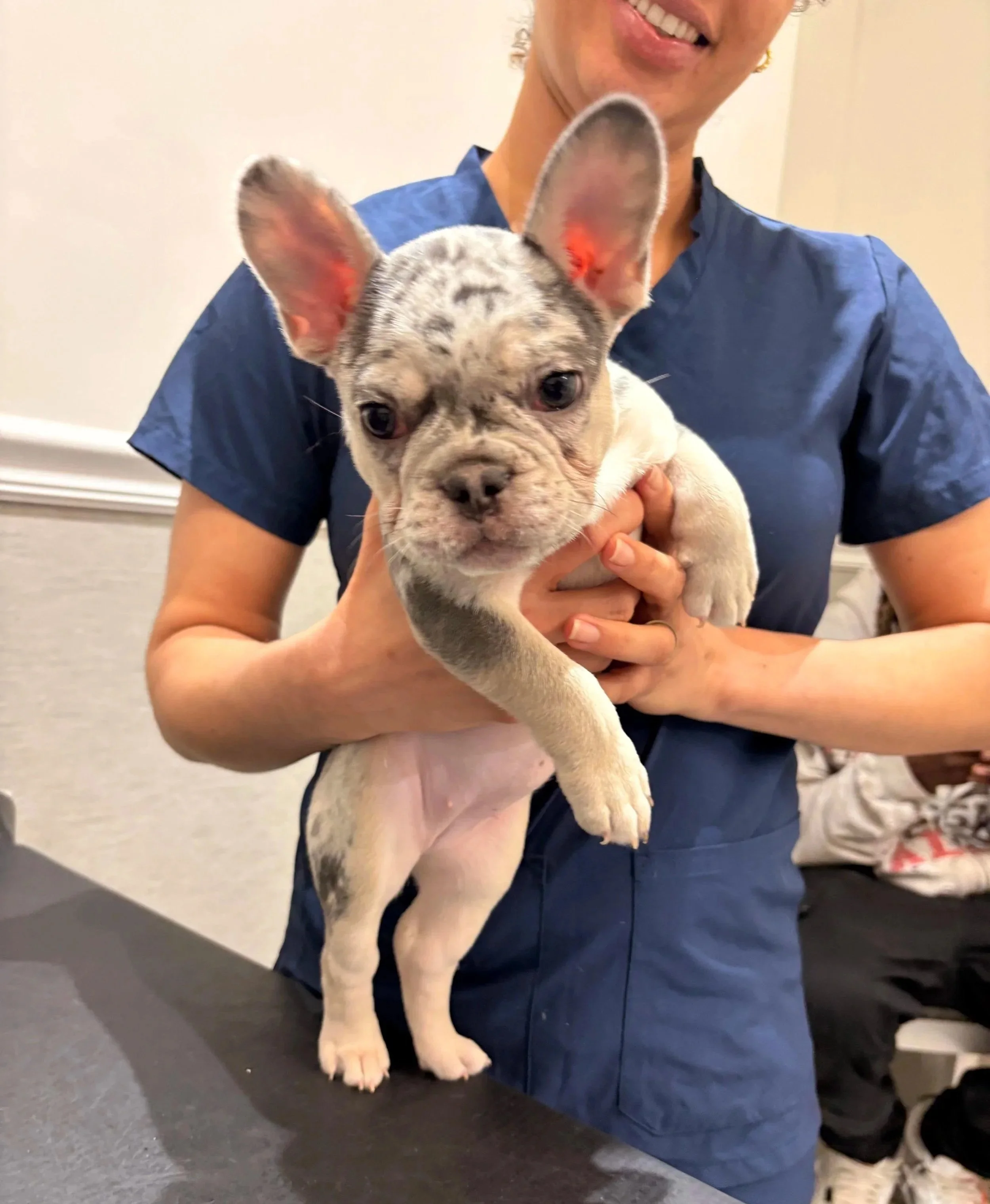
A cryptorchid pet has one or both testicles that did not descend normally into the scrotum. A retained testicle might be located in the inguinal area or abdomen, so cryptorchid neuter surgery is more involved than a routine neuter. An examination is necessary before our veterinarians will guide you on the best next steps for your pet.
Our veterinary team will review your pet’s medical records, examine your pet, and determine whether your pet's surgical needs match the procedures we provide at our animal hospital. Once our veterinarians understand your pet’s surgical needs, they will explain the cryptorchid neuter process to you and walk you through the next steps.
If a breeder, shelter, rescue, or previous veterinarian told you that your puppy or kitten has only one descended testicle, please let us know during your neuter consultation. Pet owners from University Heights, Belleville, Kearny, and the area around Branch Brook Park come to us for inguinal cryptorchid neuter care. If you think your pet might have an undescended testicle, schedule a cryptorchid neuter consultation with us for clear and personalized guidance.
What to Expect During a Pet Lab Testing Visit
There is no universal age that works for every dog and cat. Cats are commonly spayed or neutered while young, before pregnancy or reproductive behaviors become concerns. Dog spay and neuter timing varies much more because of factors including projected adult size, breed, sex, health risks, and lifestyle.
Families in Newark, East Orange, Bloomfield, and North Arlington also should consider real-life scheduling: workdays, stairs, travel, boarding, other pets, and who will supervise recovery. Our veterinary team will help you choose the right spay and neuter timing for your pet and explain what needs to happen before the date is confirmed. A consultation is especially important if:
A spay or neuter consultation is especially useful for large- or giant-breed puppies, pets with uncertain medical histories, females that recently entered a heat cycle, and pets taking medication. If your animal is coughing, sneezing, vomiting, experiencing diarrhea, or acting unwell, a sick pet visit should come before spay and neuter surgery planning.
Your puppy is expected to become a large or giant adult dog.
Your female dog has started or recently completed a heat cycle.
Your pet's age, vaccine history, or medical history is uncertain.
Your pet takes medication or lives with an ongoing health condition.
One or both testicles have not descended.
You adopted an adult pet who has not been spayed or neutered.
Preparing Your Pet for Spay or Neuter Surgery
Good preparation begins before the day of the spay or neuter. Once the surgery is scheduled, follow the guidance you receive from our veterinary team. Feeding, water, medication, and arrival instructions from our veterinarians will be personalized to your pet’s needs and our animal hospital's protocol.
Before leaving your home in the Ironbound, Forest Hill, Harrison, or Kearny, make sure dogs have a secure leash and cats have a safe carrier. Please keep your phone handy on the day of the spay or neuter, bring any medical records our veterinarians request, and tell us about recent illnesses, medication changes, or accidental access to food.
Preparation also includes the care surrounding spay and neuter surgery. Current preventative veterinary care, appropriate vaccination planning, and any recommended pre-surgical lab testing or bloodwork will help our veterinary team better understand your pet’s state of health. Our veterinarians will tell you which steps apply to your pet instead of handing you an unnecessary one-size-fits-all checklist. Before your pet’s surgery:
Complete the recommended examination and testing before surgery.
Review medications, supplements, allergies, and previous reactions with the team.
Follow the food and water instructions provided for your pet.
Prepare secure transportation and a quiet indoor recovery space.
Have an Elizabethan collar or recovery garment ready when recommended.
What to Expect on Surgery Day in Newark, NJ
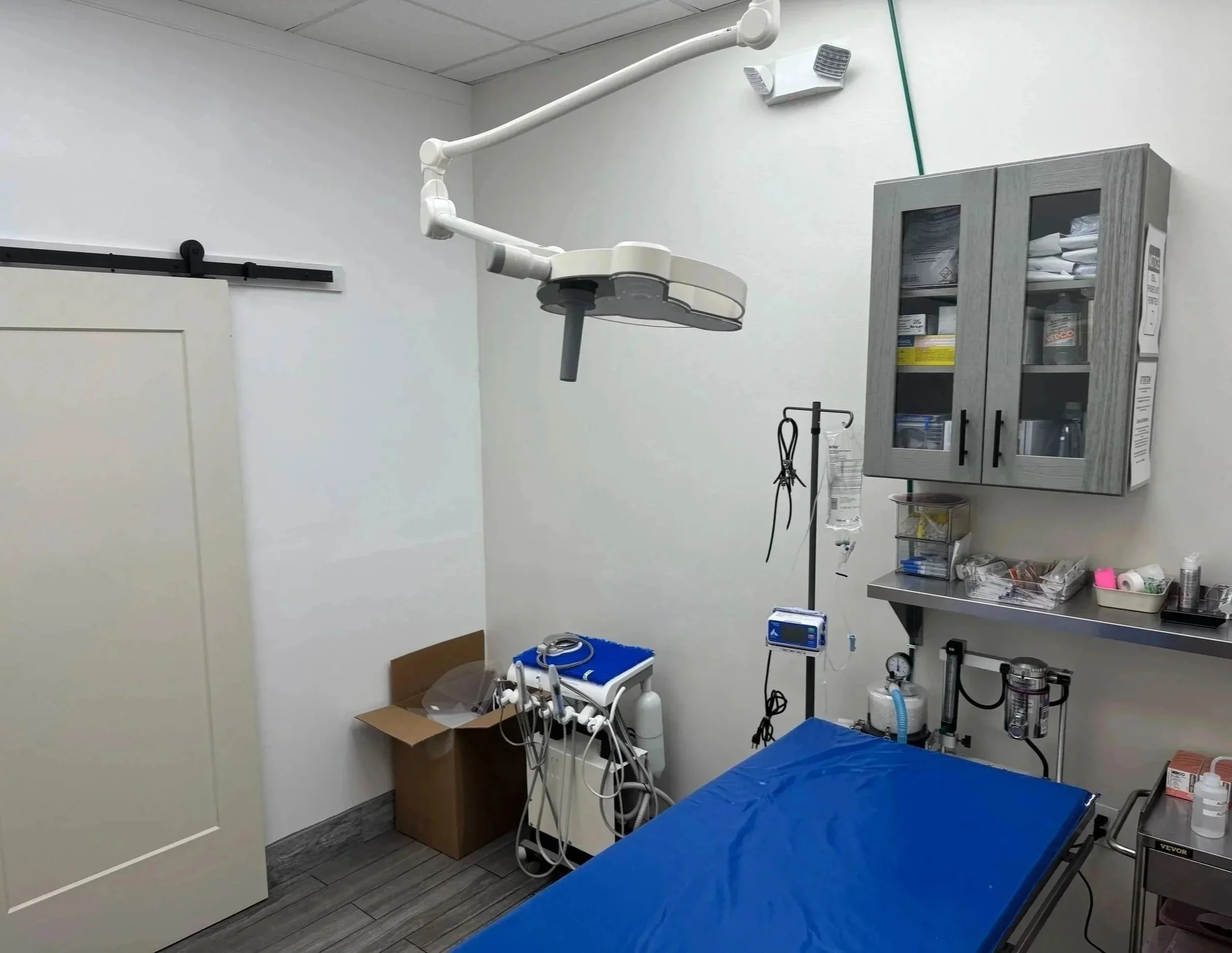
Surgery days make many pet owners nervous. That is normal. When you arrive at the Veterinarian Pet Alliance, our team will confirm the information we need, review your pet’s planned procedure with you, and explain how communication and discharge will be handled.
Your pet will be assessed for anesthesia and monitored according to the treatment plan for the procedure and your pet’s current health needs. We cannot promise a fixed surgery duration, medication protocol, or discharge time because those details vary based on your pet’s individual needs.
When your pet is ready to leave our Newark animal hospital near McCarter Highway and the Passaic River corridor, our veterinarians will provide instructions for feeding, medications if prescribed, incision care, activity restriction, and follow-up care if needed. Please review the guidance before you head toward Downtown Newark, Harrison, Belleville, or home elsewhere in North Jersey, and ask us to explain anything that is unclear.
Spay and Neuter Recovery at Home in Newark, NJ
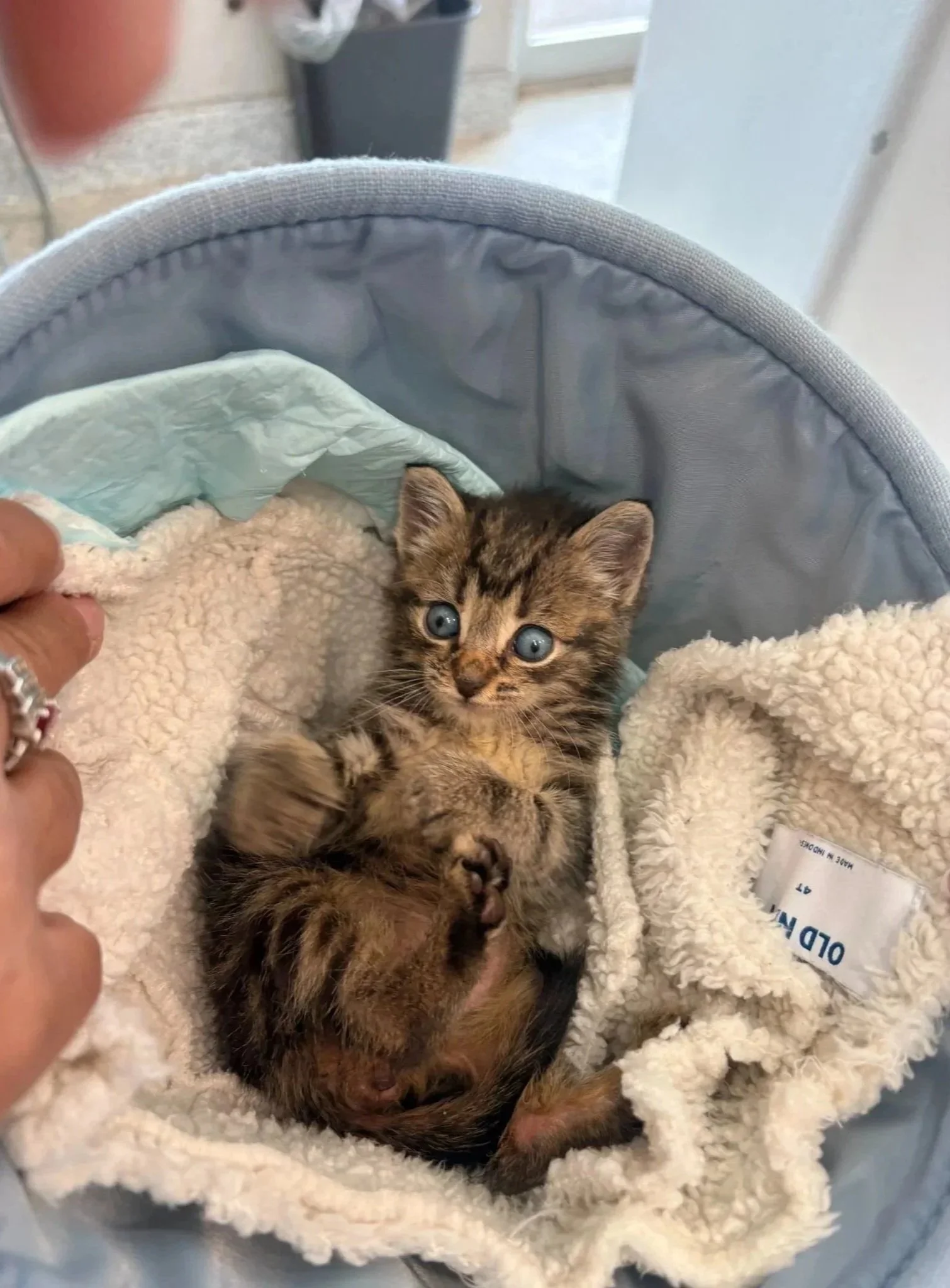
Most pets feel ready to move before the incision is ready for normal activity. Your job is to slow things down. Keep your dog or cat indoors and prevent running, jumping, licking, or chewing at the surgical area. Most importantly, follow the activity limits in our veterinarian’s discharge instructions.
Recovery looks different in a walk-up apartment near Newark Penn Station than it does in a house in Bloomfield or North Arlington. Plan how you will handle stairs, separate pets, and an energetic kitten or puppy before surgery day. A small, comfortable recovery area will make supervising your pet after spay or neuter surgery much easier.
Check the incision as directed and give only medications prescribed or approved by our veterinarians after surgery. Contact the Veterinarian Pet Alliance if you notice concerning swelling, bleeding, discharge, an open incision, repeated vomiting, breathing difficulty, severe lethargy, uncontrolled pain, or other unusual behavior. Seek emergency veterinary care when a problem is urgent or occurs outside our available hours.
Spay and Neuter Near Ironbound, Harrison, Kearny, and Newark
The Veterinarian Pet Alliance is located at 1415 McCarter Highway in Newark, along the Passaic River corridor. Our location is convenient for pet owners traveling from Downtown Newark, the Ironbound, University Heights, Lower Broadway, Forest Hill, and the North, South, East, and West wards.
We also welcome families from Harrison, Kearny, Belleville, Bloomfield, East Orange, North Arlington, and nearby parts of Essex and Hudson counties. Being close to Newark Penn Station, Route 21, and recognizable landmarks such as Branch Brook Park helps many clients plan transportation for their pet’s consultation, surgery day, and any requested follow-up care appointments.
If your pet needs a dog spay, cat spay, dog neuter, cat neuter, or inguinal cryptorchid neuter near Newark, visit the Veterinarian Pet Alliance for a consultation and clear answers to your initial questions. Local veterinary care means you do not have to piece together timing advice online or travel far from the community where you and your pet live.
Why Choose the Veterinarian Pet Alliance for Spay and Neuter Care?
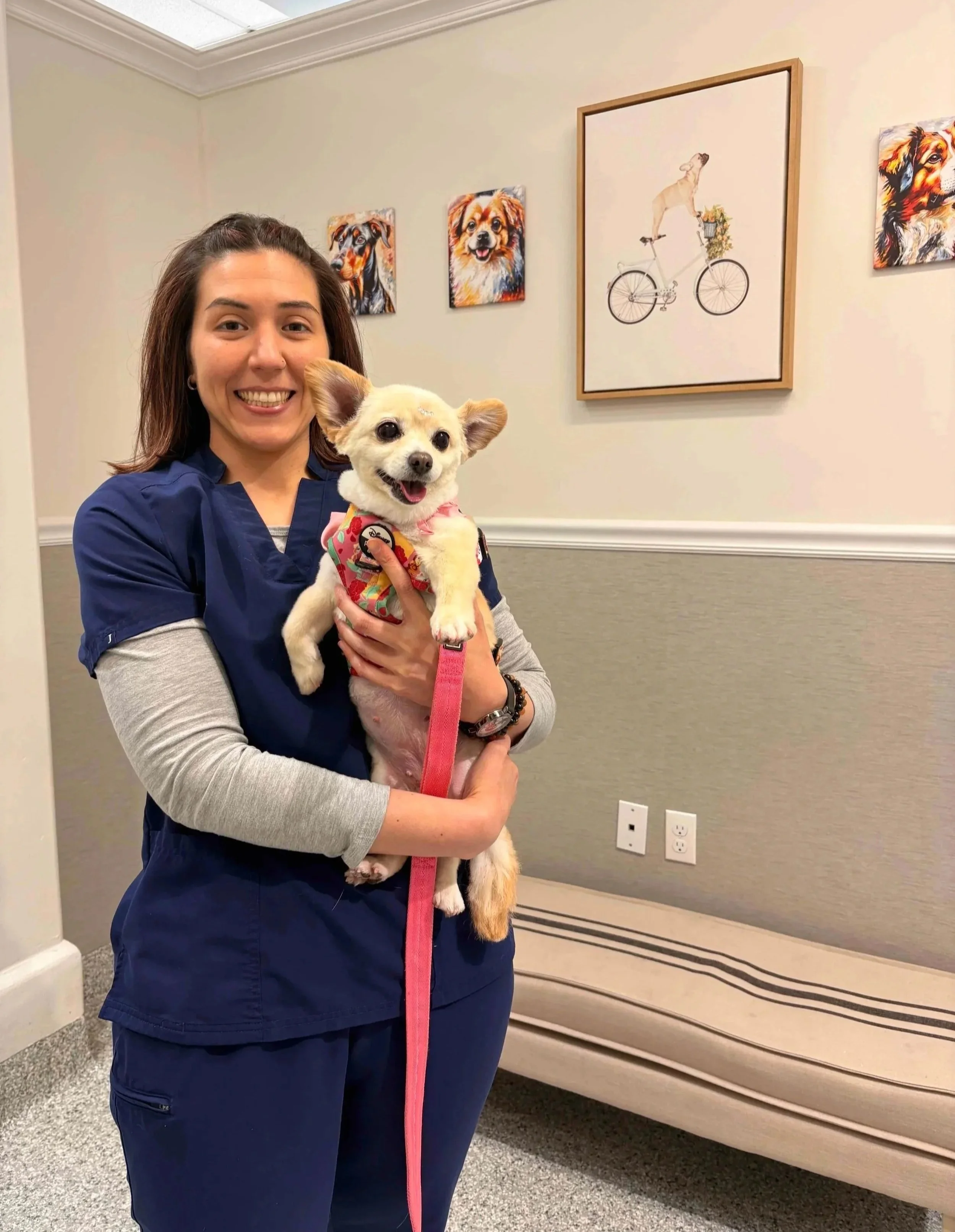
You deserve more than a procedure date. You deserve a team that makes your pet’s spay and neuter plan understandable. The Veterinarian Pet Alliance will consider your pet's age, development, medical history, and home life before making a personalized recommendation about your pet’s spay and neuter surgery.
Our veterinary team will be happy to answer your questions, explain spay and neuter preparation, and give you detailed recovery guidance personalized for your pet. Practical communication matters whether your home is beside Independence Park, near the Prudential Center, across the river in Harrison, or farther north in Belleville.
Individualized recommendations for dogs and cats.
Clear discussions about timing, preparation, and recovery.
Local surgical care at our Newark animal hospital.
Practical discharge instructions for real homes and routines.
Coordination with examinations, vaccinations, and diagnostic testing.
Surgery is one part of lifelong pet care. We will coordinate your pet’s spay and neuter plan with their examinations, vaccines, and diagnostics rather than treating each part of care as an isolated task. The result is a clearer experience for you and a care plan built around your dog or cat. The Veterinarian Pet Alliance is here to give you:
Frequently Asked Questions About Spay and Neuter Surgery
Newark pet owners often search for straightforward answers before they call an animal hospital. The questions below address timing, cost, preparation, recovery, behavior, and cryptorchid surgery without pretending one answer fits every pet.
Questions about cost, low-cost programs, preparation, and recovery come up frequently in New Jersey. The answers below separate general guidance from details that require confirmation, such as current pricing, voucher eligibility, or participation in a particular assistance program.
These answers are educational, not a substitute for having one of our veterinarians examine your pet. If you live in Newark, Harrison, Kearny, Belleville, Bloomfield, East Orange, or a nearby community, book a consultation for advice tailored to your pet's health and circumstances.
-
Spay surgery is performed on female pets and removes reproductive organs to prevent pregnancy and future heat cycles. Neuter surgery is performed on male pets and removes the testicles to prevent reproduction. Preparation, incision location, and recovery details differ, so follow the instructions provided for your pet's specific procedure.
-
The recommended age depends on breed, projected adult size, sex, health, and lifestyle. Smaller dogs often mature earlier, while some larger breeds might benefit from waiting until more growth is complete. A veterinary examination will give you a recommendation tailored to your dog rather than a universal age.
-
Cats can become reproductively active while still young. Veterinary organizations commonly support spaying or neutering cats by about five months when medically appropriate, but your kitten's weight, health, development, and individual circumstances should be reviewed by a veterinarian first.
-
Follow the specific food, water, medication, and arrival instructions provided by our veterinary team. Keep your pet safely indoors before surgery, use a secure carrier or leash, report any new illness or medication, and prepare a quiet recovery area before leaving home.
-
Do not rely on a general internet fasting rule. Puppies, kittens, adult pets, and animals with certain medical needs might receive different instructions. The Veterinarian Pet Alliance will tell you exactly when to stop food, whether water is allowed, and how to handle regular medications.
-
Recovery varies by pet and procedure. Many veterinary aftercare plans restrict running, jumping, and rough play for roughly one to two weeks, but your discharge instructions will define the correct period. Continue protecting the incision even when your pet seems energetic after only a few days.
-
Female cats need protected indoor recovery after abdominal surgery. Your veterinarian will specify the activity-restriction period, incision checks, protective collar or garment, and follow-up needs. Prevent jumping and licking for the full recommended period rather than stopping precautions as soon as your cat acts normal.
-
Cost varies with species, sex, size, age, health, pre-surgical testing, medications, and whether the procedure is routine or more complex. Contact the Veterinarian Pet Alliance for the current estimate that applies to your pet. We will not publish an unverified flat price that might leave out necessary care.
-
New Jersey has programs and organizations that might offer reduced-cost services for eligible residents, but availability, eligibility, and participating hospitals change. Ask the relevant program directly about current rules. Do not assume the Veterinarian Pet Alliance accepts a voucher or participates in a program unless our team confirms it.
-
Many adult pets undergo spay or neuter surgery successfully. Age alone does not determine candidacy. An examination, health history, and any recommended testing will help the veterinarian assess risk and plan appropriately for your adult dog or cat.
-
Spaying or neutering does not replace your pet's individual personality. Surgery will reduce the influence of reproductive hormones and might reduce certain hormone-driven behaviors, but learned habits, environment, age, and temperament also matter. Ask us about the specific behavior you are seeing.
-
A cryptorchid neuter is performed when one or both testicles have not descended into the scrotum. The retained testicle might be in the groin or abdomen, making surgery more involved than a routine neuter. The Veterinarian Pet Alliance evaluates pets for inguinal cryptorchid neuter surgery in Newark.
-
Yes. The Veterinarian Pet Alliance provides dog spay, cat spay, dog neuter, cat neuter, and inguinal cryptorchid neuter care at our Newark animal hospital. We serve pet owners from the Ironbound, Downtown Newark, Harrison, Kearny, Belleville, Bloomfield, East Orange, North Arlington, and nearby communities.