
Pet Mass Removal, Tumor Removal & Wound Repair in Newark, NJ
Pet surgical evaluations for lumps, tumors, wounds, and aural hematomas in Newark & Ironbound, NJ
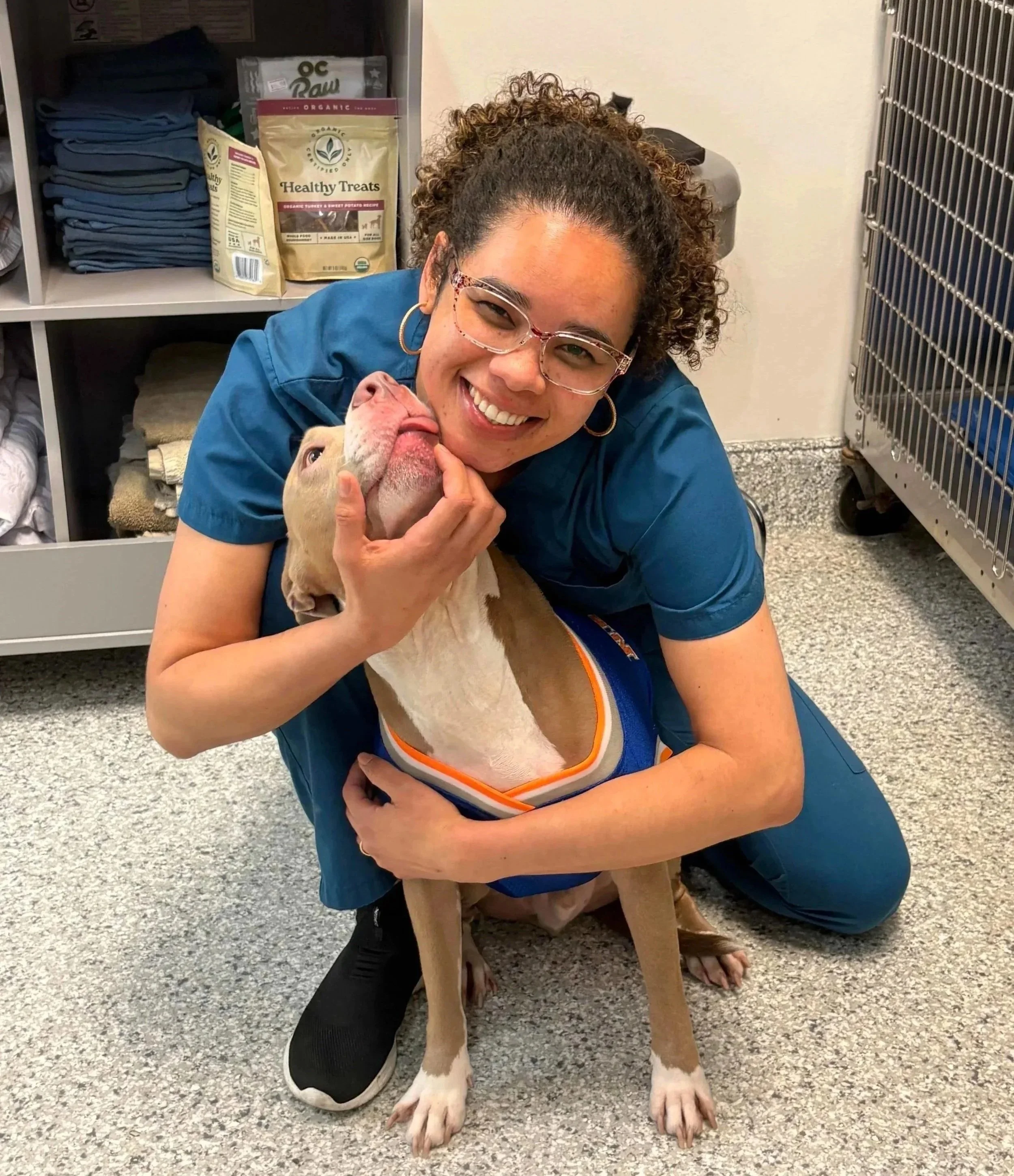
At the Veterinarian Pet Alliance, we provide pet mass removal, tumor removal, and wound repair evaluations in Newark, NJ, for dogs and cats when a procedure is appropriate for our hospital. Our veterinary team will examine the area, review your pet's health history, discuss diagnostics when needed, and explain whether removal, repair, medical care, monitoring, or referral is the right next step.
Did you find a lump while petting your dog? Is your cat licking at a sore spot, swelling, or wound that does not look right? A new mass, open cut, irritated growth, ear swelling, or hernia concern can leave you wondering whether it is urgent, whether surgery is needed, and what recovery would look like at home.
Not sure whether your pet needs mass removal surgery, a sick pet visit, pet wound care, or a specialist referral? Start with an exam. We will help you understand what you are seeing and what should happen next.
Mass Removal Surgery for Pets in Newark, NJ
If you are searching for mass removal surgery in Newark, NJ, you may already be watching a lump that has changed size, started bleeding, become irritated, or simply made you uneasy. Some pet masses are benign. Others need diagnostic sampling, removal, lab review, or specialty care. You should not have to guess from appearance alone.
During a mass evaluation, our veterinarians will look at the size, location, texture, color, mobility, growth rate, irritation, and any discomfort your pet shows when the area is touched. We will also ask when you first noticed the lump, whether it has changed, and whether your dog or cat has been licking, scratching, chewing, or rubbing it.
Mass removal is not just about taking off a bump. The plan may involve pre-surgical bloodwork, lab testing, cytology, biopsy discussion, histopathology submission, or referral depending on what we find. If removal is recommended at our Newark animal hospital, we will explain the reason, preparation, home-care needs, and follow-up expectations before the procedure day.
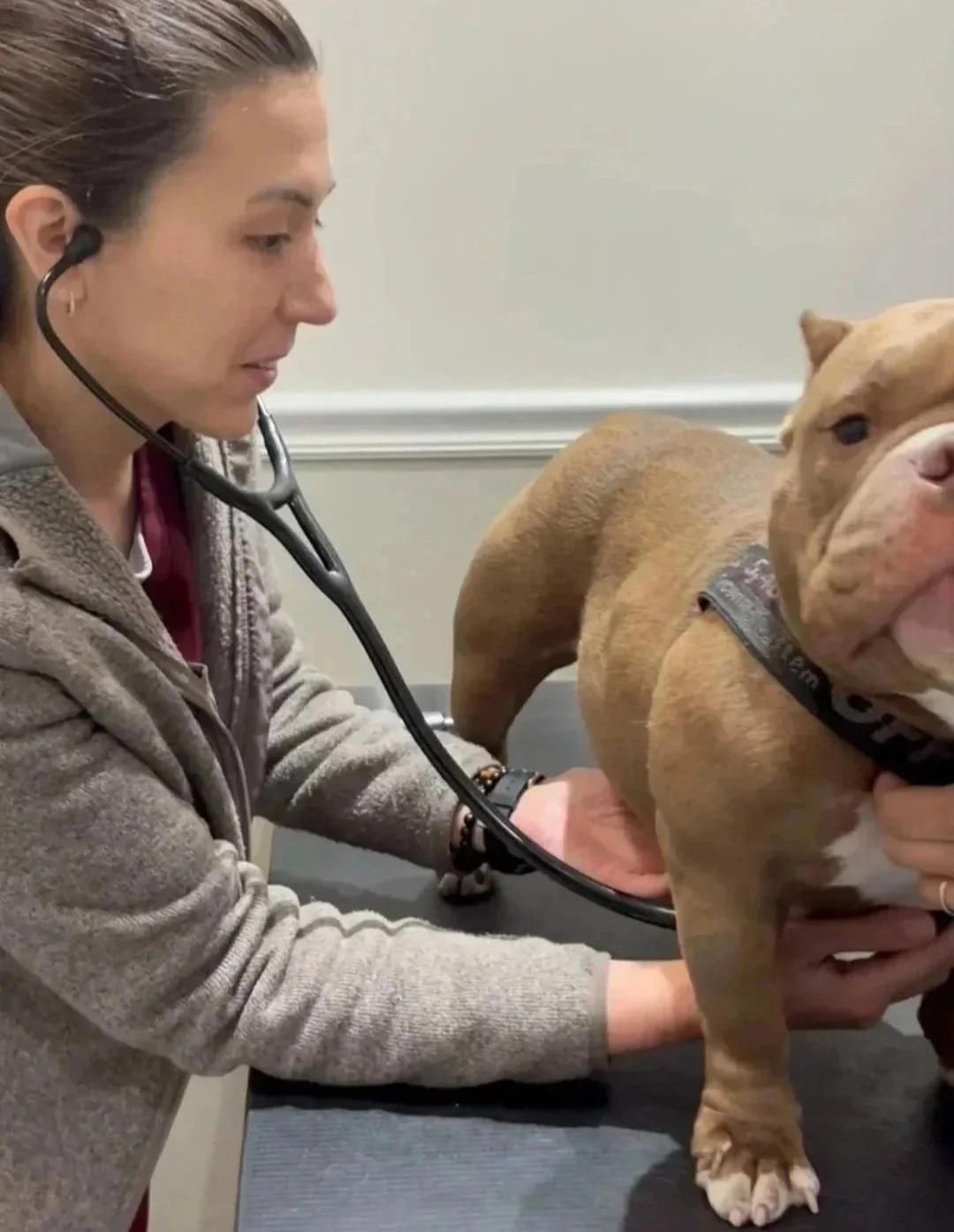
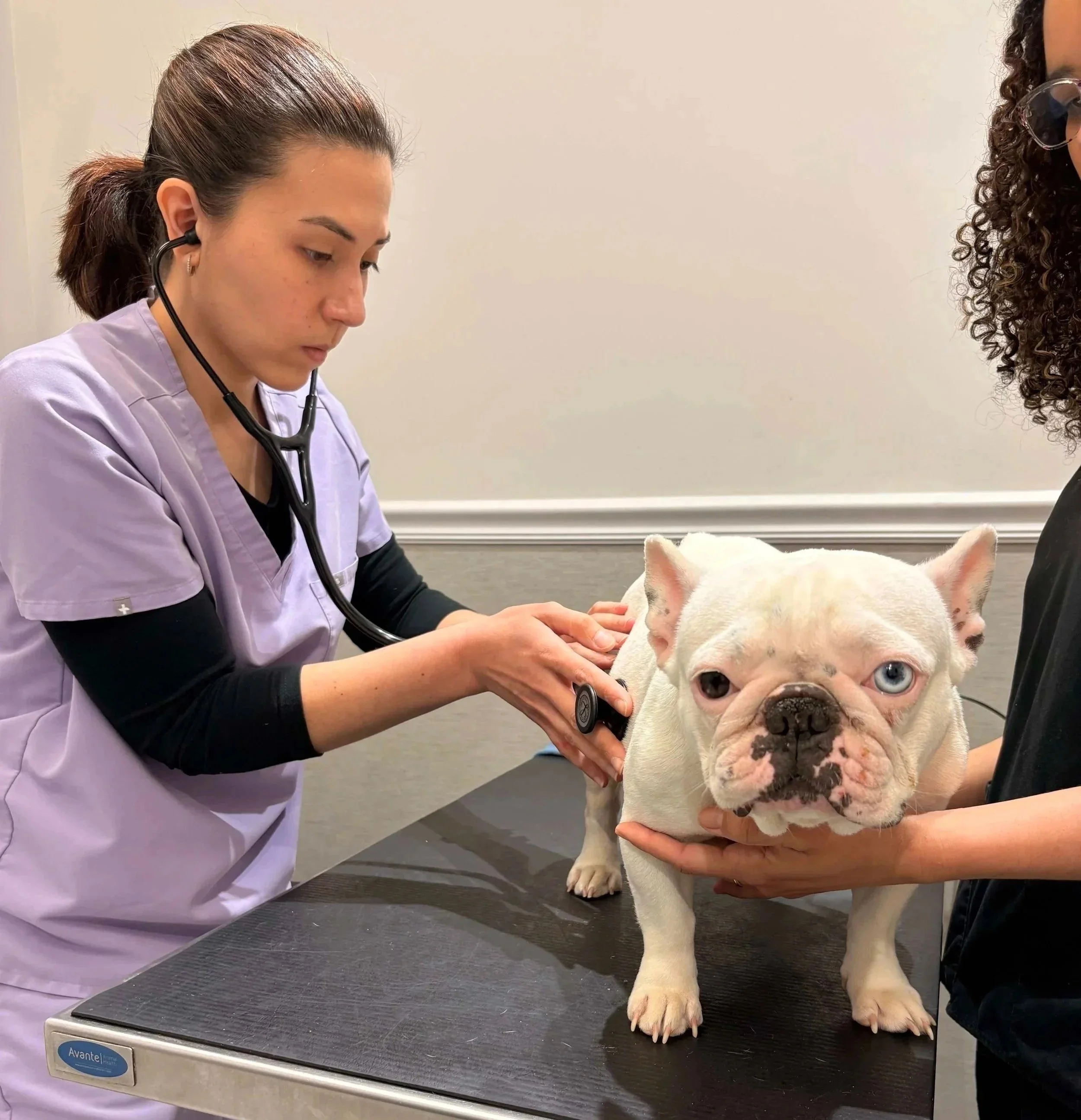
Tumor Removal for Pets in Newark, NJ
The word "tumor" can sound frightening, but it does not tell the whole story by itself. A tumor simply means an abnormal growth, and different tumors behave in very different ways. Some are slow-growing and localized. Others may be more aggressive or may require wider margins, staging tests, or a veterinary surgical specialist.
Are you wondering whether a pet tumor should be removed right away? The answer depends on the type of growth, where it is located, how quickly it is changing, and your pet's overall health. A small tumor near loose skin may be very different from a growth near the eye, paw, mouth, ear, or an area where skin closure could be difficult.
The Veterinarian Pet Alliance will help you understand whether tumor removal for pets is appropriate at our hospital or whether referral is the better choice. If lab review is recommended after removal, we will explain why that information matters and how it may affect follow-up care.
Mass Removal for Dogs in Newark, NJ
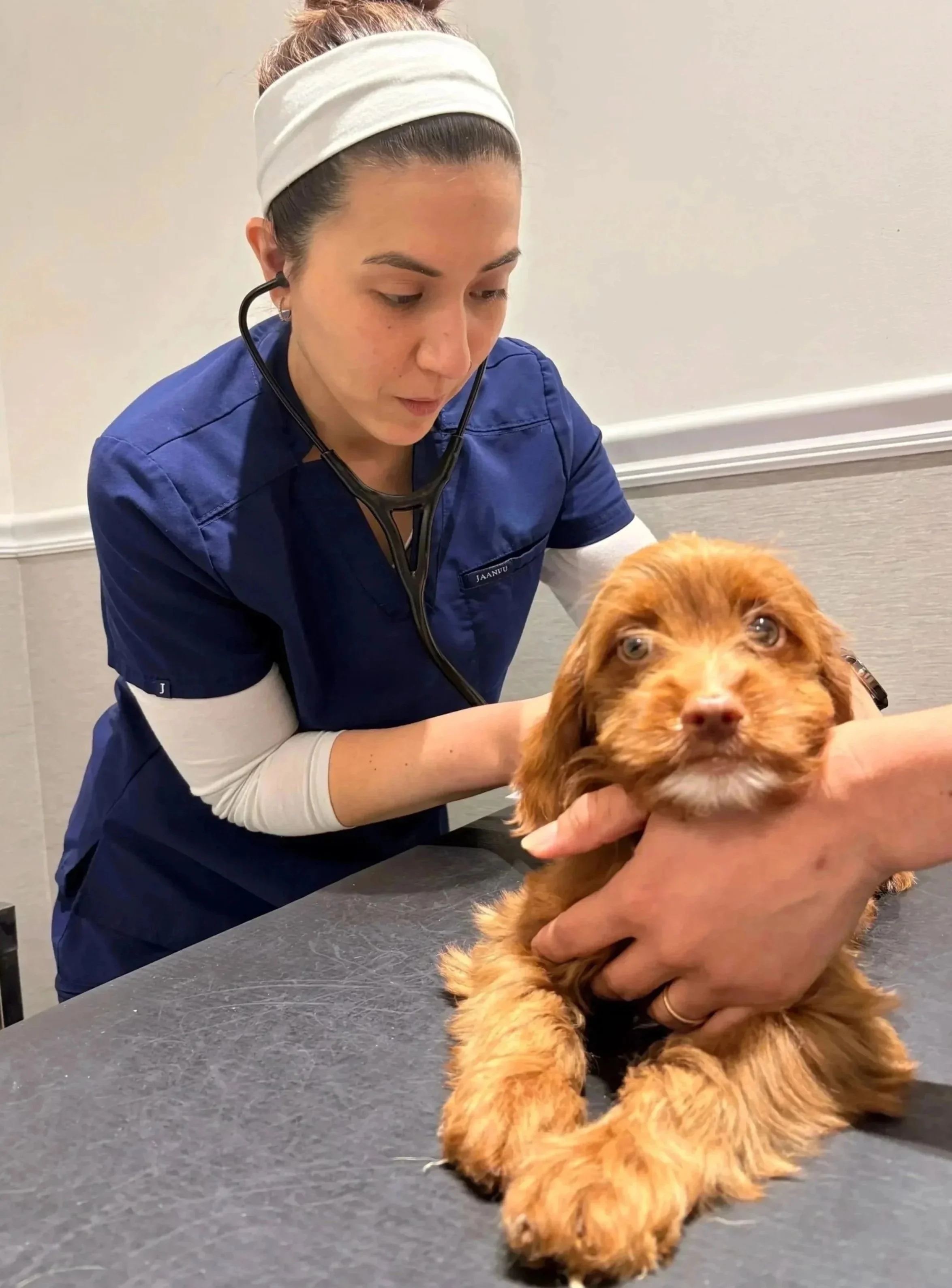
Dogs are good at finding trouble, and pet owners often discover lumps during grooming, belly rubs, walks, or bath time. A dog mass can appear on the skin, under the skin, near the ears, along the legs, on the trunk, around the tail, or in an area your dog keeps licking. Even when your dog acts normal, a new or changing lump deserves attention.
During a dog mass removal consultation, our veterinarians will examine the lump and review your dog's age, breed, weight, medications, previous anesthetic history, vaccine status, and current health. Senior dogs, large-breed dogs, anxious dogs, brachycephalic breeds, and dogs with heart, liver, kidney, endocrine, respiratory, or seizure histories may need extra planning before anesthesia.
Skin lumps, bumps, or masses
Wounds, cuts, or bite injuries
Abscesses or infected swellings
Cysts or growths that rupture, bleed, or become irritated
Foreign material under the skin or in a wound
Hernia concerns
Recurrent soft tissue infections
Surgical follow-up after an urgent or emergency visit
A condition previously identified by another veterinarian
Has the lump grown quickly, opened, bled, changed color, or become painful? Tell us when you schedule. Photos showing changes over time can be useful, especially if the mass looks different from week to week.
Common reasons for a dog mass removal or surgical evaluation include:
Mass Removal for Cats in Newark & Ironbound, NJ
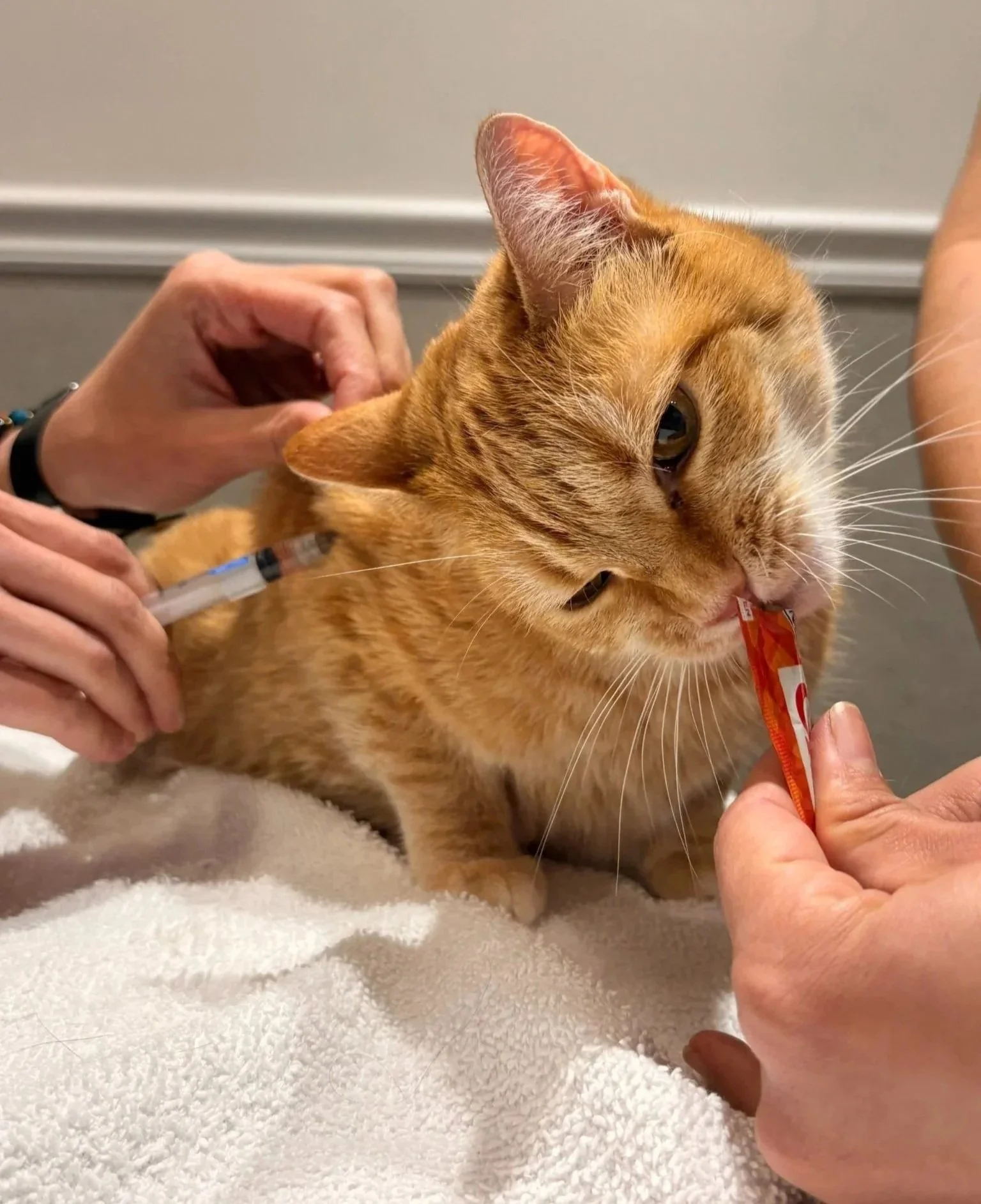
Cats can make lumps and wounds harder to notice. A cat may hide more, stop grooming one area, flinch when touched, lick repeatedly, or act irritable long before you get a clear look at the problem. If your cat has a new bump, swelling, draining spot, or wound under the fur, schedule an exam instead of waiting for it to declare itself.
Mass removal for cats should account for your cat's stress level, age, weight, appetite, medical history, medications, and current condition. Cats with unknown vaccine records, recent adoption histories, chronic disease, or appetite changes may need a more careful pre-surgical review.
Cat owners from Newark’s Ironbound, Downtown Newark, University Heights, Harrison, Kearny, Belleville, Bloomfield, East Orange, and neighborhoods near Branch Brook Park or the Passaic River can bring cats to the Veterinarian Pet Alliance for an exam when a lump, swelling, wound, or irritated area needs veterinary attention.
If your cat is difficult to examine at home, that is normal. Bring your observations, any photos you were able to take, and records from previous veterinary care. Our veterinary team will take it from there and explain what can be evaluated at the visit.
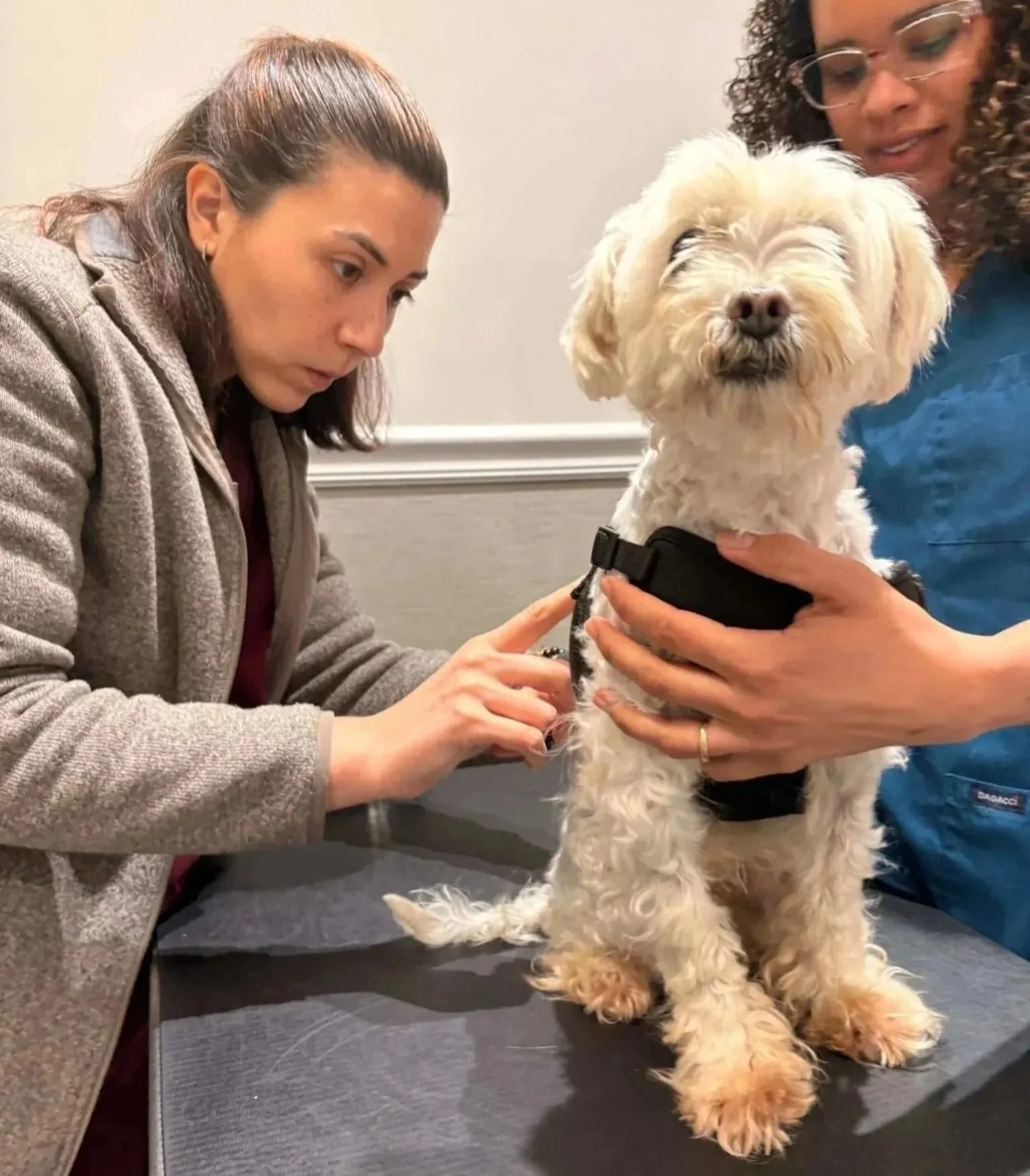
Laceration Repair in Newark & Ironbound, NJ
Laceration repair may involve cleaning, assessing tissue damage, controlling infection risk, closing the wound when appropriate, and giving you instructions for home care. Not every wound can or should be closed the same way. Some wounds need drainage, medication, bandage care, delayed closure, or emergency treatment depending on severity.
Did your dog come home with a cut after playing outside, or did your cat develop an open wound after an unknown injury? Lacerations can look simple on the surface while deeper tissue damage, contamination, pain, or infection sits underneath. Timing matters, especially if the wound is bleeding, gaping, dirty, swollen, or painful.
If the wound is deep, bleeding heavily, caused by trauma, near the eye, near the mouth, over a joint, or your pet seems weak, painful, or unstable, seek urgent or emergency veterinary care. For less severe wounds that still need evaluation, the Veterinarian Pet Alliance can help pet owners in Newark, Ironbound, Harrison, Kearny, Belleville, Bloomfield, East Orange, and nearby communities decide what level of care is needed.
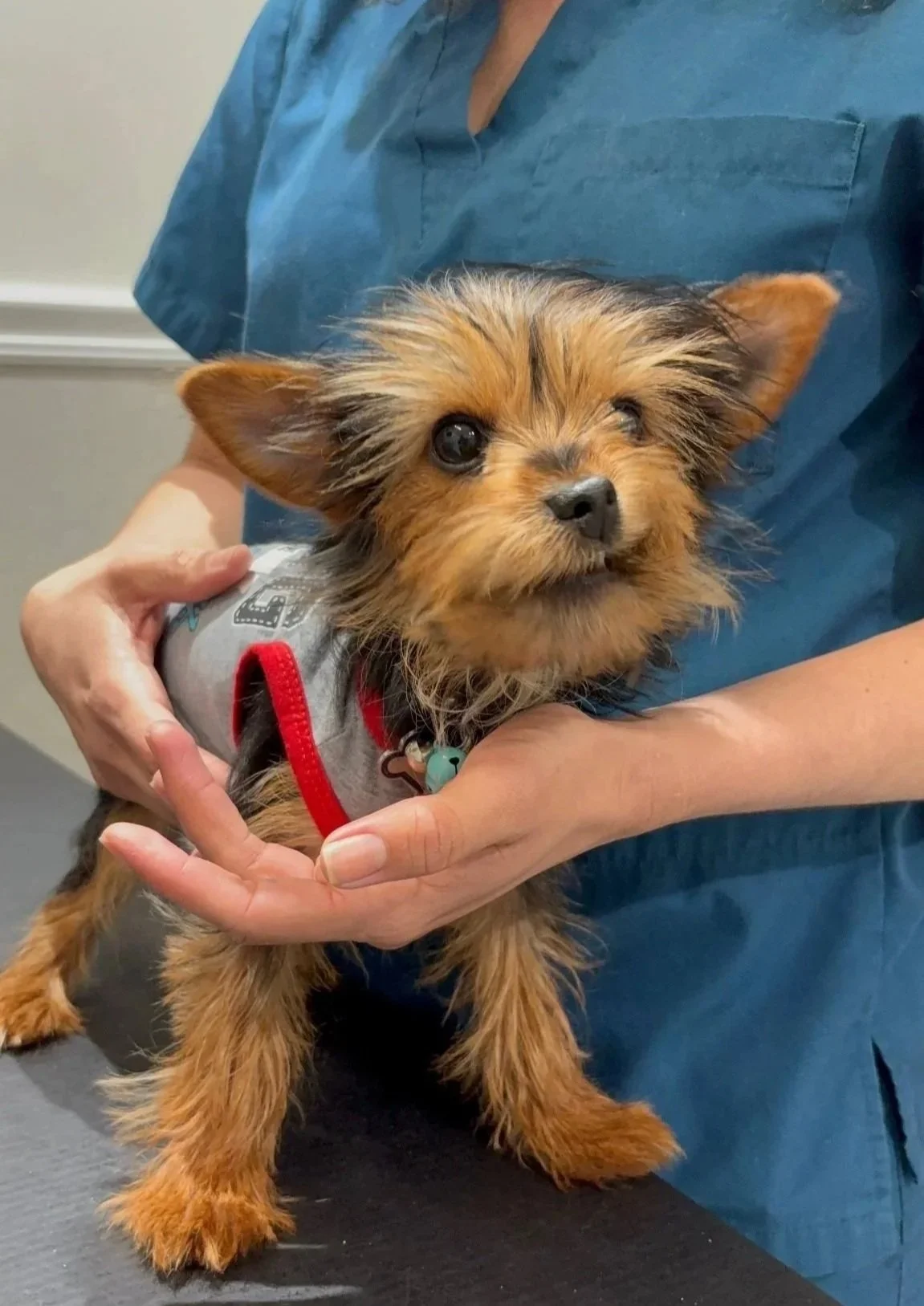
Pet Wound Care for Dogs and Cats in Newark, NJ
Pet wound care is not just a matter of cleaning the skin. Bite wounds, scratches, abscesses, punctures, and irritated surgical sites can trap bacteria below the surface. A small opening may close over while infection continues underneath, and repeated licking can make a minor wound much worse.
Are you seeing swelling, heat, discharge, odor, redness, bleeding, or pain? Is your pet licking, chewing, hiding, limping, or acting quieter than usual? Those signs can point to infection, irritation, or deeper injury. A hands-on veterinary exam is the safest way to decide whether medication, wound cleaning, repair, drainage, lab testing, or referral is needed.
Please do not apply human wound products, wrap a tight bandage, or give human pain medication unless a veterinarian has directed you to do so. Some products that seem harmless can delay healing, irritate tissue, or be dangerous if your dog or cat licks them.
Pet owners from Newark, Ironbound, Downtown Newark, University Heights, Harrison, Kearny, Belleville, Bloomfield, East Orange, and neighborhoods near Branch Brook Park, Military Park, and the Passaic River often visit the Veterinarian Pet Alliance when a dog or cat wound needs an exam. Local wound concerns may include cuts from outdoor play, irritated areas from licking, bite wounds, scratches, abscesses, or wounds that are not healing as expected.
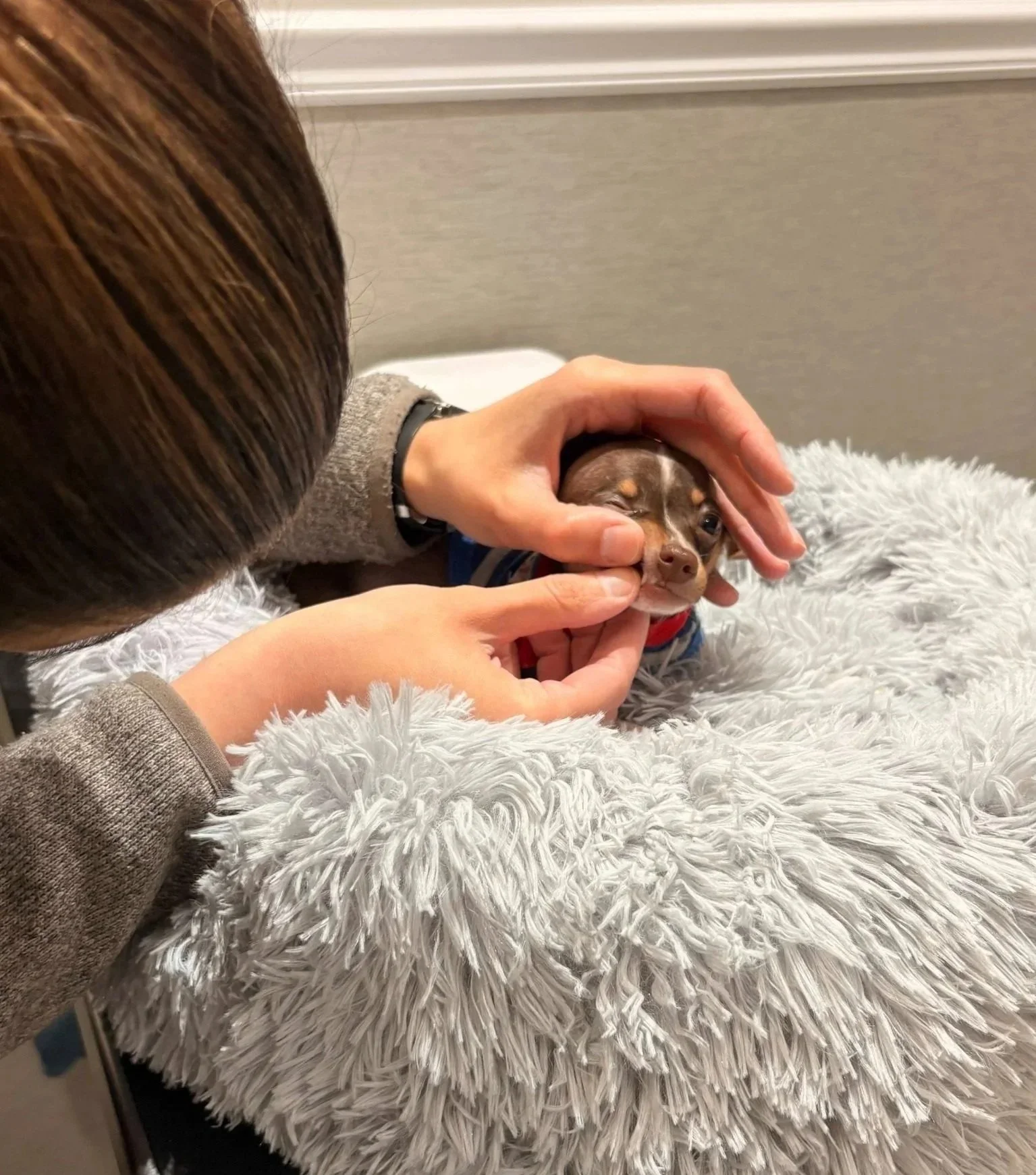
Dog Wound Care in Newark & Ironbound, NJ
Dogs can develop wounds from rough play, fences, sharp debris, dog interactions, grooming irritation, hot spots, licking, or outdoor activity. In Newark neighborhoods near parks, apartment buildings, sidewalks, and shared dog areas, even a quick walk or play session can lead to a cut or puncture you do not notice until later.
During a dog wound care visit, our veterinarians will examine the injured area, assess pain and infection risk, and discuss whether the wound needs cleaning, medication, repair, or monitoring. If your dog is limping, has a foul odor from the wound, seems painful, or keeps licking the area, schedule care promptly.
Dogs rarely understand that licking slows healing. If your dog needs an Elizabethan collar, surgical suit, activity restriction, or medication, follow the discharge plan closely. The home-care details are often what protect the repair after your dog leaves the hospital.
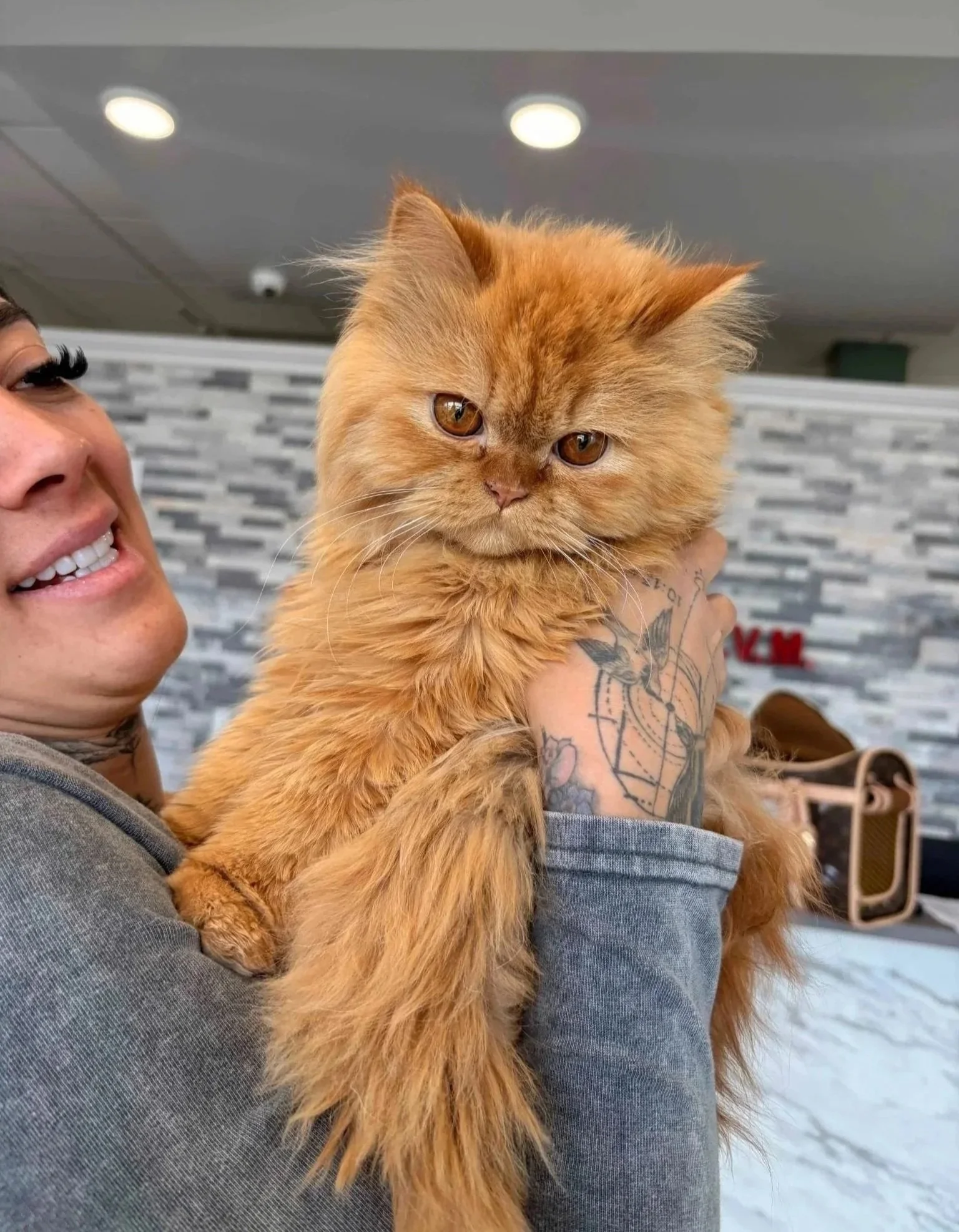
Cat Wound Care in Newark & Ironbound, NJ
Cats may hide wounds under dense fur or in areas that are hard to inspect, such as the neck, tail base, belly, or legs. A cat with a bite wound or abscess may seem quiet, stop eating well, hide, resent being picked up, or develop swelling that later drains.
For cats in Newark apartments, Ironbound multi-pet homes, and nearby North Jersey households in Harrison, Kearny, Belleville, Bloomfield, East Orange, North Arlington, and South Orange, wounds are not always obvious right away. A small swelling after a fall, scratch, bite, grooming irritation, or conflict with another pet near Branch Brook Park, Military Park, McCarter Highway, Route 21, or the Passaic River may need veterinary attention before it becomes more painful, infected, or harder to treat.
Cat wound care should happen sooner rather than later when you notice swelling, discharge, bleeding, bad odor, pain, or behavior changes. Even indoor cats can develop wounds from scratching, falls, household accidents, or conflict with another pet.
If your cat has a wound and you are not sure how serious it is, schedule a sick pet visit. Our veterinary team will evaluate the area and explain whether wound care, medication, repair, or a higher level of care is needed.
Umbilical Hernia Repair in Newark & Ironbound, NJ
An umbilical hernia is a soft tissue opening near the belly button area. Some are small and uncomplicated. Others may be larger, changing, painful, or concerning because tissue can move through the opening. You may notice a soft bulge on your puppy, kitten, dog, or cat's belly.
For families with puppies, kittens, dogs, or cats in Newark, Ironbound, Harrison, Kearny, Belleville, Bloomfield, East Orange, North Arlington, and neighborhoods near McCarter Highway, Route 21, Branch Brook Park, Military Park, and the Passaic River, an umbilical hernia exam can help determine whether the bulge should be monitored, repaired with another planned procedure, or handled more urgently.
Not every umbilical hernia is repaired the same way or at the same time. The recommendation depends on the hernia size, what can be felt, your pet's age, whether the area changes, and whether another procedure is being planned. A veterinary exam is needed before deciding whether umbilical hernia repair should be scheduled.
Call promptly if the bulge becomes painful, firm, red, swollen, suddenly larger, or cannot be gently reduced, or if your pet vomits, acts weak, stops eating, or seems uncomfortable. Those signs may indicate a more urgent problem that should not wait.
Aural Hematoma Repair in Newark & Ironbound, NJ
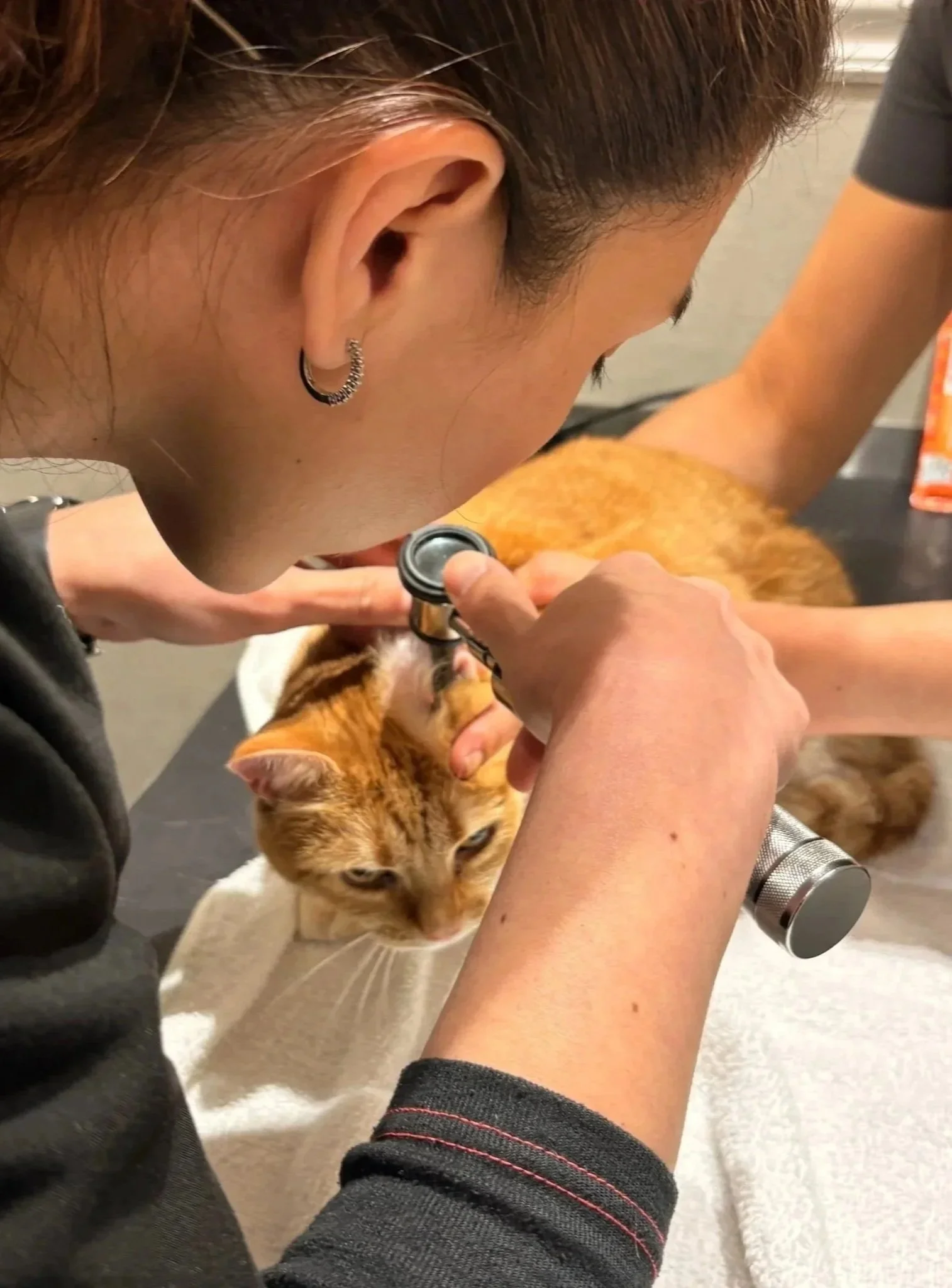
An aural hematoma is a swelling of the ear flap caused by blood collecting between tissue layers. It often appears as a puffy, fluid-filled, or thickened ear flap, and it may happen after head shaking, scratching, ear irritation, allergies, or an ear infection.
If your dog or cat has a swollen ear flap, the visible swelling is only part of the problem. The underlying reason for the head shaking or scratching also needs attention. Without addressing ear discomfort, pets may keep damaging the ear and healing can be harder.
Ear swelling can become uncomfortable quickly for dogs and cats in Newark, Ironbound, Harrison, Kearny, Belleville, Bloomfield, East Orange, North Arlington, and nearby neighborhoods around Branch Brook Park, Military Park, McCarter Highway, Route 21, and the Passaic River. If a pet is shaking their head, scratching one ear, holding the ear differently, or acting painful after a walk, grooming visit, allergy flare-up, or ear infection, a veterinary exam can help determine whether aural hematoma repair or related ear care is needed.
At the Veterinarian Pet Alliance, our veterinarians will examine the ear, discuss treatment options, and explain whether aural hematoma repair is appropriate at our Newark hospital. We may also recommend evaluating the ear canal and discussing related ear care so the problem is not treated as swelling alone.
What to Expect During a Mass Removal or Wound Repair Visit in Newark, NJ
Your pet's visit usually begins with an exam and a conversation about what you have noticed at home. We may ask when the concern started, whether it has changed, whether your pet is eating normally, whether there has been licking or pain, and whether your pet takes any medications or has previous medical conditions.
Feeling nervous about what the veterinarian will find? That is understandable. A lump, tumor, wound, hernia, or swollen ear can be emotional because you are trying to make the right decision without enough information.
Depending on the concern, the next step may include monitoring, medication, wound care, diagnostic sampling, pre-surgical planning, surgery, lab review after removal, or referral. If surgery is recommended, our team will explain preparation, anesthesia considerations, activity limits, incision protection, medication instructions, and follow-up needs.
Because the Veterinarian Pet Alliance is located on McCarter Highway in Newark near the Passaic River corridor, many visits start with pets from Ironbound apartments, Harrison and Kearny homes, Belleville and Bloomfield neighborhoods, East Orange and South Orange households, and nearby areas around Branch Brook Park or Military Park. Whether the concern is a lump, wound, swollen ear, or hernia, the exam helps sort out what can be treated locally and what may need specialty or emergency care.
Pre-Surgical Bloodwork, Lab Testing, and Anesthesia Planning
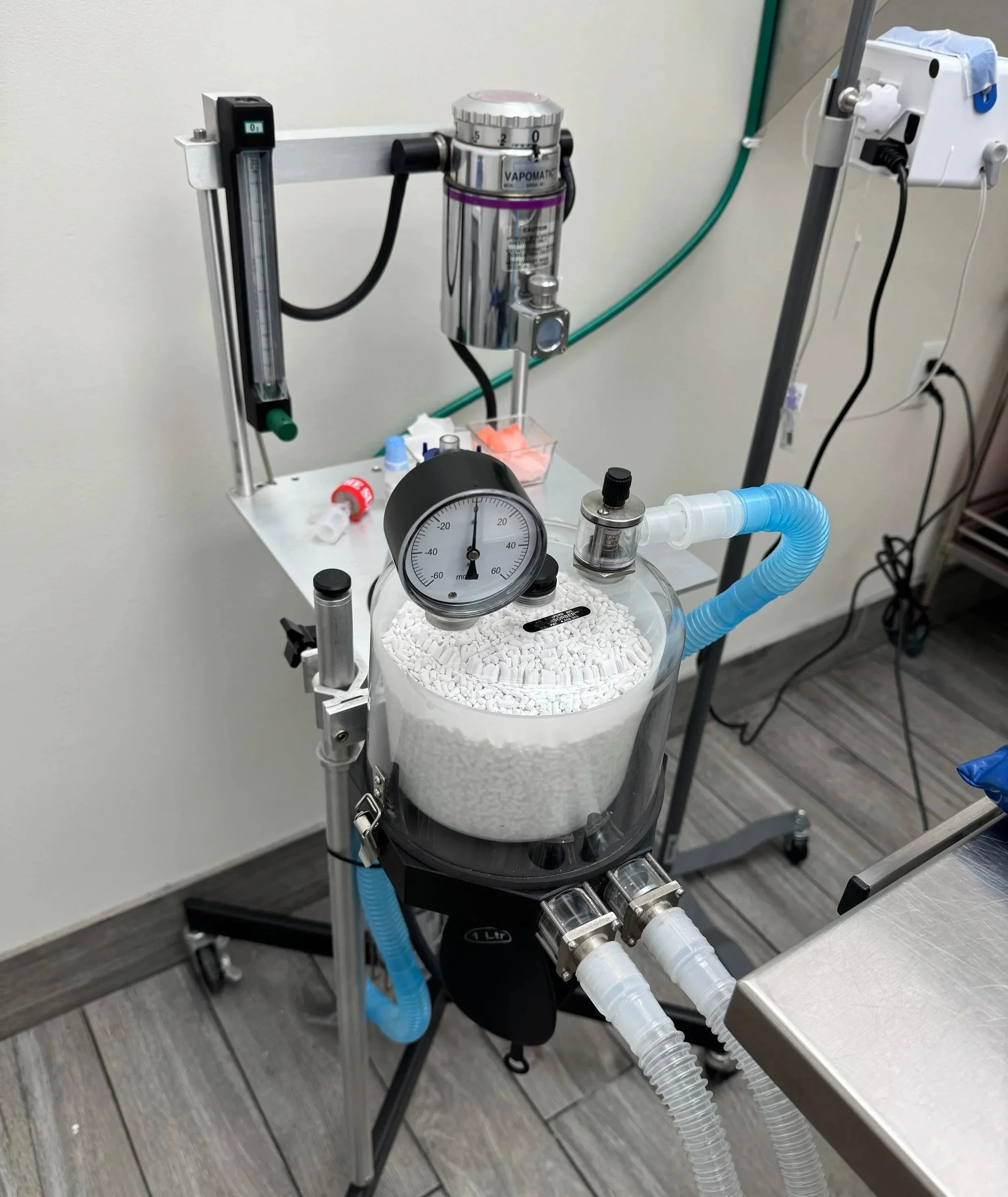
Pre-surgical bloodwork is often recommended before anesthesia because it gives our veterinarians more information about organ function and overall health. Bloodwork does not remove every risk, but it can help identify concerns that may affect timing, medication choices, or whether additional evaluation should happen first.
Concerned about anesthesia for mass removal surgery or wound repair? You are not alone. Most surgical repairs require anesthesia or heavy sedation so your pet can stay still, comfortable, and protected while the area is treated.
If your pet is older, takes medication, has a known health condition, or has not had lab testing recently, ask whether pet bloodwork should be completed before surgery. We will explain what is recommended and why, so the plan feels clear before procedure day.
Recovery After Mass Removal, Tumor Removal, or Wound Repair
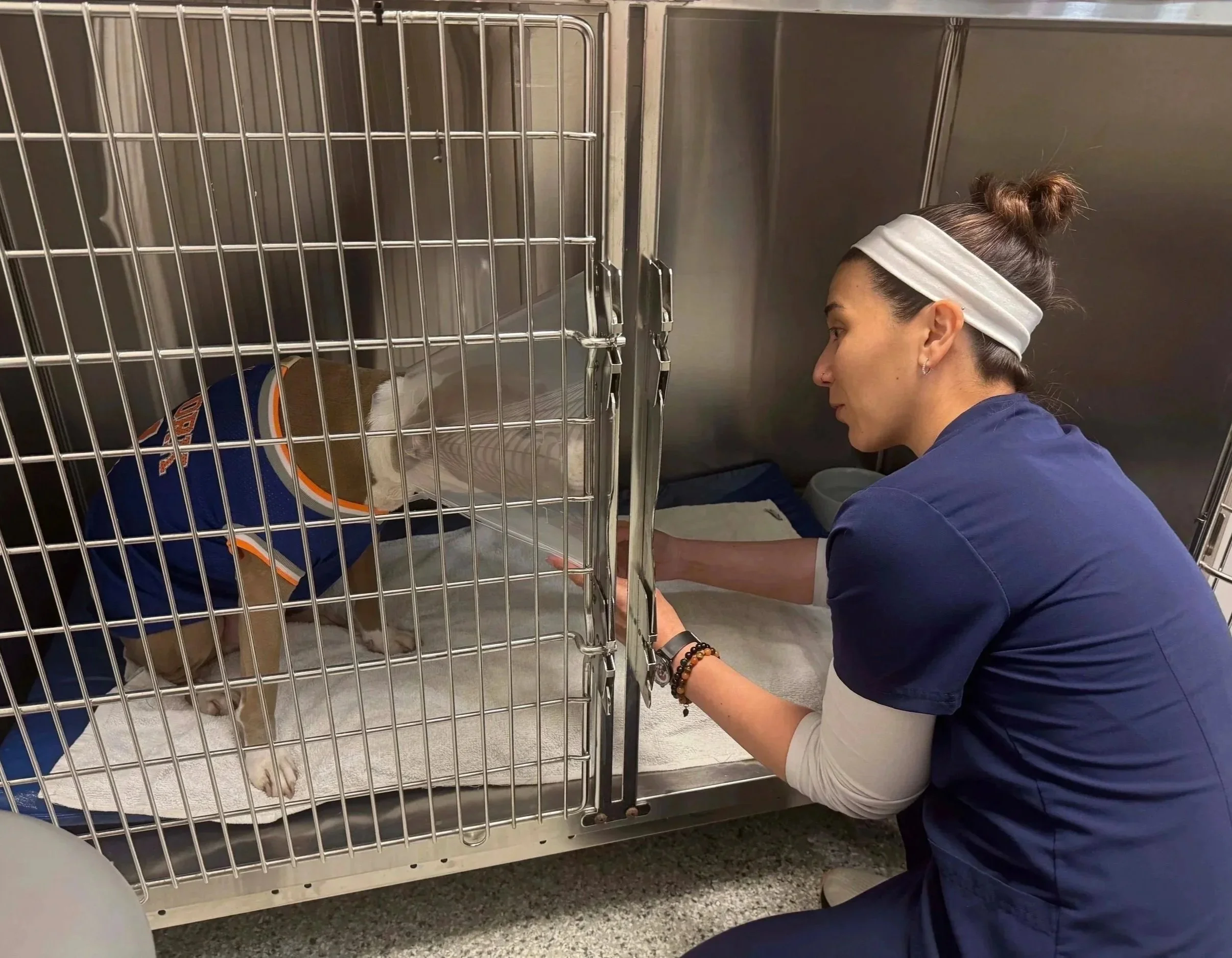
Recovery begins before your pet goes home. You will need a quiet indoor space, a plan to prevent licking or chewing, and a way to limit activity so the incision or wound can heal. Many pets feel better before the tissue is ready for normal running, jumping, scratching, or rough play.
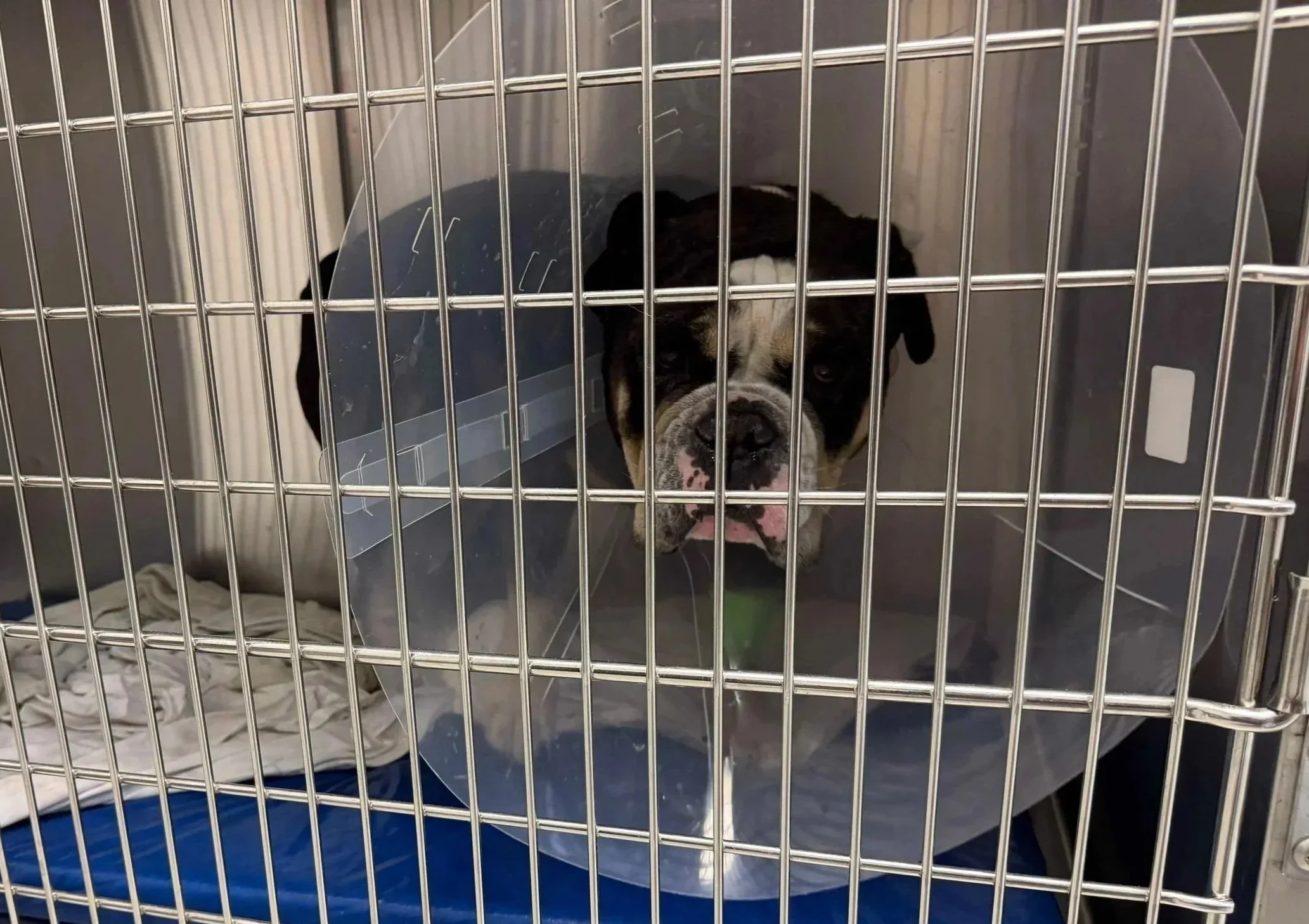
Follow the discharge instructions provided for your pet's specific procedure. Home care may include medication directions, incision checks, activity restriction, bandage or collar instructions, feeding guidance, and follow-up timing. Do not stop medications early or remove an Elizabethan collar because your pet seems fine unless the veterinary team tells you to.
Call the Veterinarian Pet Alliance if you notice incision opening, persistent bleeding, increasing swelling, discharge, foul odor, repeated vomiting, trouble breathing, severe lethargy, uncontrolled pain, refusal to eat, or any sign listed as a concern in your discharge instructions. If your pet seems unstable or the concern occurs outside our available hours, seek emergency veterinary care.
When Specialty or Emergency Care May Be Needed
Some masses, tumors, wounds, hernias, and soft tissue injuries are best handled by a specialty or emergency hospital. That may be true when a mass is very large, in a difficult location, suspected to need advanced margins, associated with cancer staging, or likely to require advanced reconstruction. It may also be true for severe trauma, deep wounds, major bleeding, uncontrolled pain, or an unstable pet.
If our veterinarians determine that your pet needs a board-certified veterinary surgeon, advanced imaging, overnight monitoring, emergency care, or a different level of support, we will explain why. Referral is part of responsible care when a case needs resources beyond a general practice setting.
Seek urgent help right away if your pet is bleeding heavily, having trouble breathing, collapsing, unable to stand, showing severe pain, has a deep or contaminated wound, or has a swelling or hernia concern with vomiting, weakness, or sudden distress.
Surgical Repair Services Near Ironbound, Harrison, Kearny, Belleville, and Newark
Are you coming from Harrison, Kearny, Belleville, Bloomfield, East Orange, North Arlington, South Orange, or another nearby North Jersey community? If you are searching for mass removal surgery, tumor removal for pets, laceration repair, aural hematoma repair, umbilical hernia repair, dog wound care, or cat wound care near Newark, our team can help you start with an exam.
The Veterinarian Pet Alliance is located at 1415 McCarter Highway in Newark, along the Passaic River corridor. Our animal hospital is convenient for pet owners from Downtown Newark, the Ironbound, the East Ward, University Heights, the North Ward, and neighborhoods near Branch Brook Park and Military Park.
Need directions before a consultation or procedure day? Our Newark location is easy to reach from McCarter Highway, Route 21, and nearby Passaic River crossings.
Why Choose the Veterinarian Pet Alliance for Mass Removal and Wound Repair?
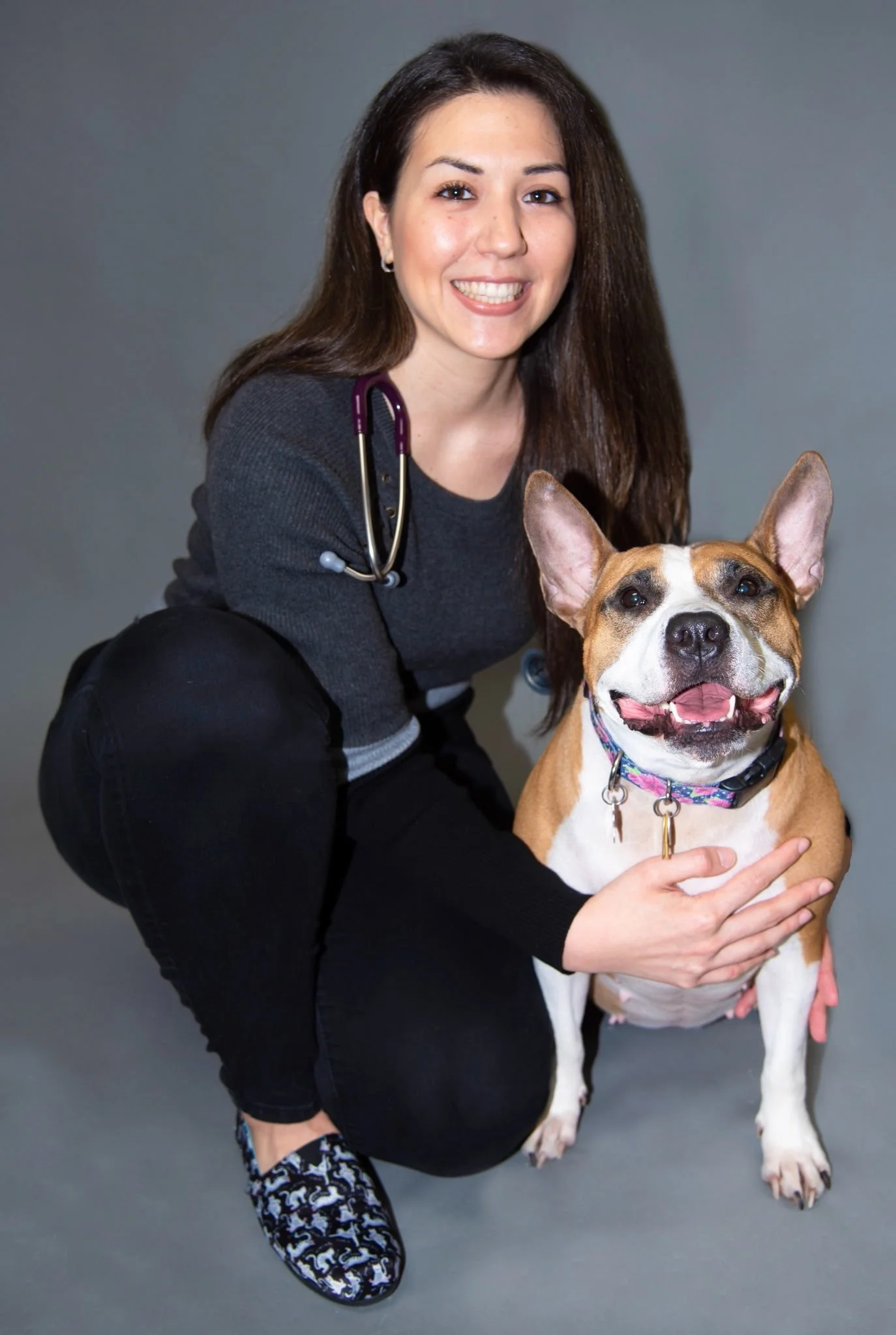
When your pet has a lump, wound, swelling, or surgical concern, you deserve a clear explanation, not a rushed answer. What is this? Is it painful? Does it need surgery? Is it something that should be handled by a specialist? Those are reasonable questions, and our team will help you work through them.
At the Veterinarian Pet Alliance, we take time to examine your dog or cat, review the full health picture, and explain the recommended next step in plain language. We will tell you what can be handled at our Newark animal hospital and when referral is the better choice.
Our approach centers on:
Surgical evaluations for pet masses, tumors, wounds, hematomas, and umbilical hernias
Mass removal surgery and repair planning when appropriate for our animal hospital
Clear conversations about preparation, anesthesia, and recovery
Pre-surgical bloodwork and lab testing discussions when recommended
Practical home-care instructions for incision and wound healing
Coordination with wellness exams, preventative veterinary care, sick pet visits, veterinary surgery and soft tissue surgery, and surgery-related follow-up care
Ready to stop wondering what the lump, wound, or swelling means? Schedule a surgical evaluation with our Newark veterinary team.
Frequently Asked Questions About Mass Removals, Tumor Removals, and Wound Repair
-
Not every lump needs immediate removal, but every new, growing, bleeding, irritated, painful, or changing lump should be evaluated by a veterinarian. The recommendation may involve monitoring, diagnostic sampling, removal, lab review, referral, or another plan based on the mass and your pet's overall health.
-
A mass is a lump or abnormal area that can have many causes. A tumor is an abnormal growth, but the word does not automatically tell you whether it is benign or malignant. An exam and, when appropriate, diagnostic testing or lab review are needed to better understand what the growth may be.
-
The Veterinarian Pet Alliance evaluates dogs and cats for tumor removal in Newark, NJ, when the procedure is appropriate for our hospital. Some tumors may require diagnostic sampling, wider surgical planning, staging tests, or referral to a specialist. An exam is needed before confirming the right path.
-
Keep your dog from licking the wound and schedule veterinary care, especially if the cut is deep, dirty, bleeding, swollen, painful, or near the eye, mouth, paw, or a joint. Do not apply human medications or wrap a tight bandage unless a veterinarian directs you to do so.
-
Yes, cat wounds should be evaluated when you notice swelling, drainage, bleeding, odor, pain, limping, hiding, reduced appetite, or behavior changes. Bite wounds and abscesses can be hidden under fur and may look smaller on the surface than they are underneath.
-
An aural hematoma is a swelling of the ear flap caused by blood collecting within the tissue. It often happens after head shaking or scratching related to ear irritation. The swelling should be evaluated, and the underlying ear discomfort should be addressed too.
-
Some umbilical hernias can be repaired surgically, but the plan depends on the hernia size, your pet's age, what tissue is involved, whether the area changes, and your pet's overall health. A veterinary exam is needed to decide whether repair should be scheduled or whether more urgent care is needed.
-
Many mass removals and wound repairs require anesthesia or heavy sedation so the pet can remain still, comfortable, and protected during the procedure. The anesthesia plan should be individualized based on your pet's health, age, breed, medications, and the procedure being performed.
-
Recovery depends on the procedure, incision or wound location, your pet's health, and the discharge plan. Activity restriction, incision protection, medication instructions, and follow-up timing may all be part of recovery. Follow the instructions provided for your pet rather than relying on a generic timeline.
-
Yes. The Veterinarian Pet Alliance provides pet wound care, dog wound care, cat wound care, laceration evaluation, and surgical repair planning at our animal hospital in Newark, NJ. We serve pet owners from Ironbound, Harrison, Kearny, Belleville, Bloomfield, East Orange, North Arlington, and nearby North Jersey communities.