
Veterinary Ultrasound in Newark, NJ
Pet ultrasounds for dogs and cats in Newark, Ironbound, and nearby North Jersey communities.
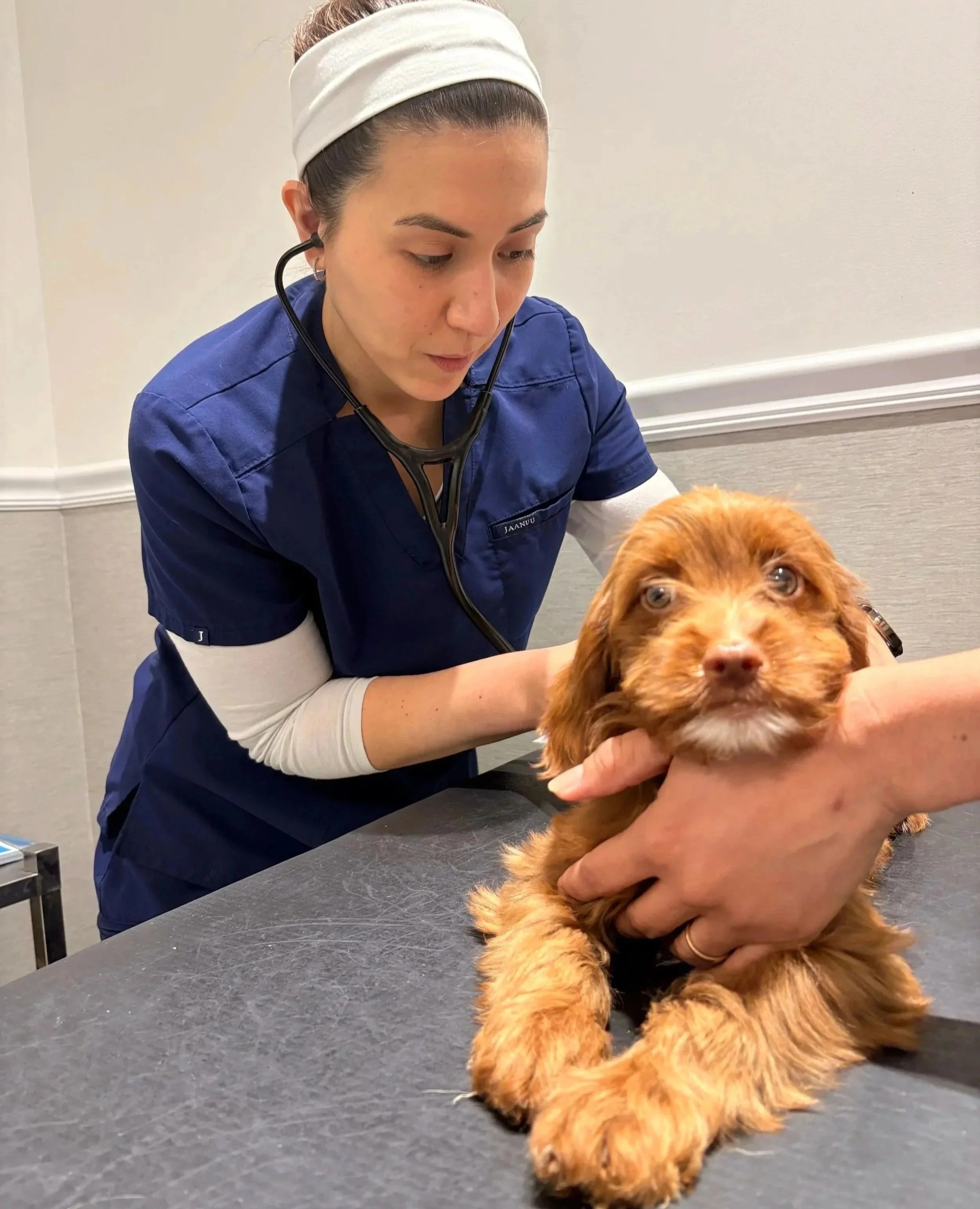
At the Veterinarian Pet Alliance, we provide veterinary ultrasound in Newark, NJ, for dogs and cats when ultrasound is appropriate for the concern being evaluated. Our veterinary team will review your pet's symptoms, exam findings, medical history, medications, and any recent pet bloodwork or lab testing before recommending imaging.
Is your dog vomiting again, your cat losing weight, or your pet's bloodwork showing something that needs a closer look? When the problem may be inside the body, a physical exam alone does not always answer every question. Veterinary ultrasound can help our veterinarians see internal structures in real time and use that information to guide the next step.
Not sure whether your pet needs an ultrasound, a sick pet visit, bloodwork, or referral care? Start with an exam. We will help you understand what we are looking for, why imaging may be recommended, and what the results may mean for your pet's care plan.
Veterinary Ultrasound for Dogs and Cats in Newark, NJ
Are you trying to figure out why your pet still seems uncomfortable even after rest, diet changes, or medication? Ultrasound can be part of that diagnostic process. It does not replace a hands-on exam, and it does not answer every medical question, but it can give our veterinarians another way to evaluate what may be happening internally. During a mass evaluation, our veterinarians will look at the size, location, texture, color, mobility, growth rate, irritation, and any discomfort your pet shows when the area is touched. We will also ask when you first noticed the lump, whether it has changed, and whether your dog or cat has been licking, scratching, chewing, or rubbing it.
Veterinary ultrasound uses sound waves to create live images of internal tissues and organs. It is commonly used in small animal medicine because it can show information that cannot be seen from the outside, especially when a pet has abdominal discomfort, ongoing digestive symptoms, urinary concerns, abnormal lab results, or a condition that needs more investigation.
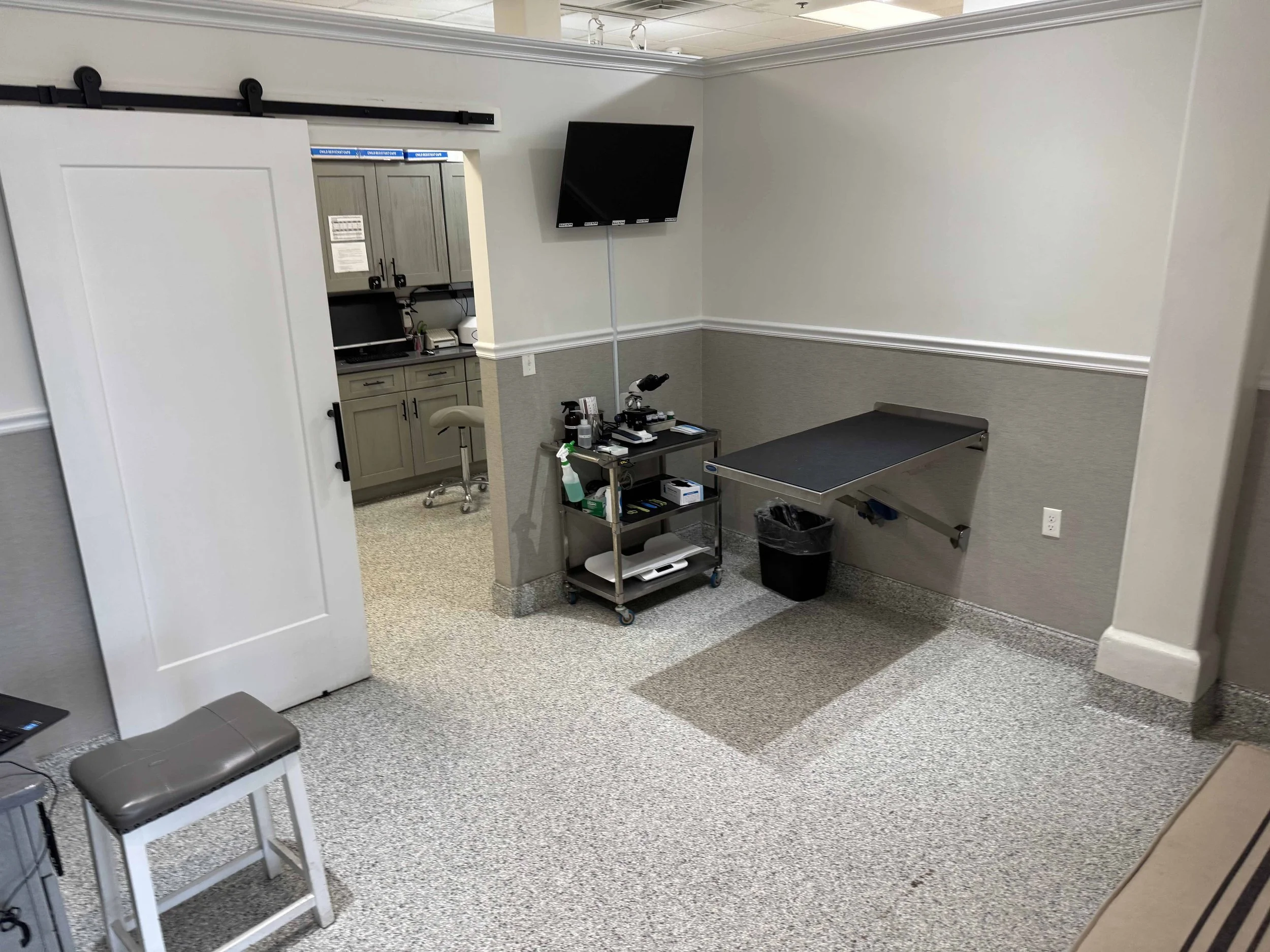
Dogs and cats do not always show pain clearly. A dog may only act quieter than usual. A cat may hide, eat less, or stop jumping onto a favorite window ledge. If your pet's symptoms are vague or keep returning, our team may recommend ultrasound along with other diagnostic steps so we can build a more complete picture.
Veterinary Ultrasound for Pregnancy Checks in Newark, NJ
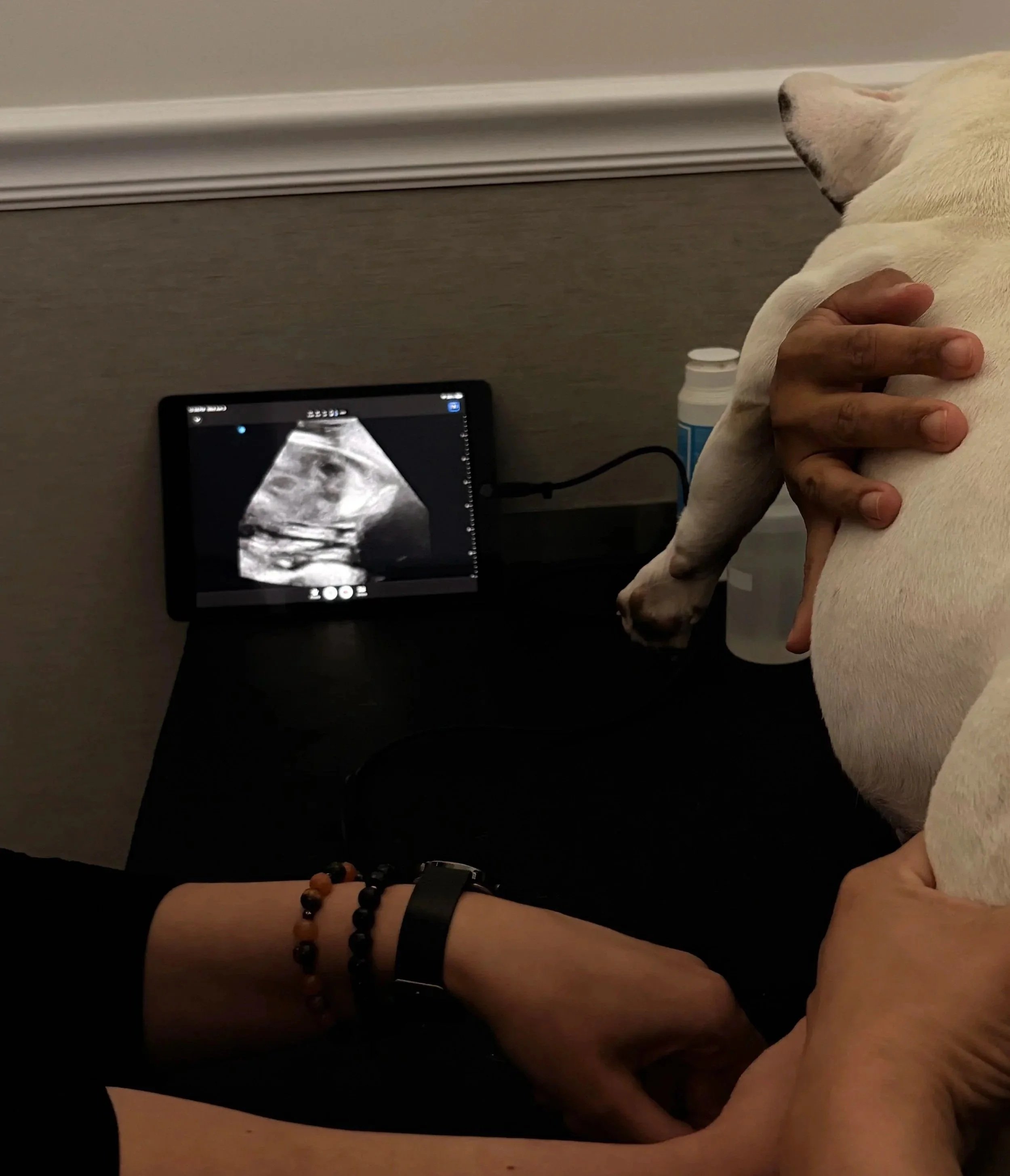
Do you think your dog or cat may be pregnant? Many pet owners come to the Veterinarian Pet Alliance for veterinary ultrasound when they need a pregnancy check for a dog or cat in Newark, NJ. An ultrasound can be a useful part of pregnancy evaluation because it allows our veterinarians to look for signs of pregnancy and discuss what the findings may mean for your pet's care.
A pregnancy ultrasound is not the same as a quick yes-or-no guess. Timing matters, your pet's health matters, and the information we can gather depends on the stage of pregnancy and what can be seen during the exam. Our veterinary team will review your pet's history, breeding timeline if known, appetite, behavior changes, medications, and any symptoms that could affect the plan.
Are you preparing for a litter, trying to confirm an accidental breeding, or wondering whether your pet's belly changes are pregnancy-related? Schedule an exam so we can evaluate your dog or cat and explain whether ultrasound is the right next step. If pregnancy is confirmed or suspected, we will also talk with you about safe handling, nutrition, monitoring, and when additional veterinary care may be recommended.
When Your Pet May Need an Ultrasound
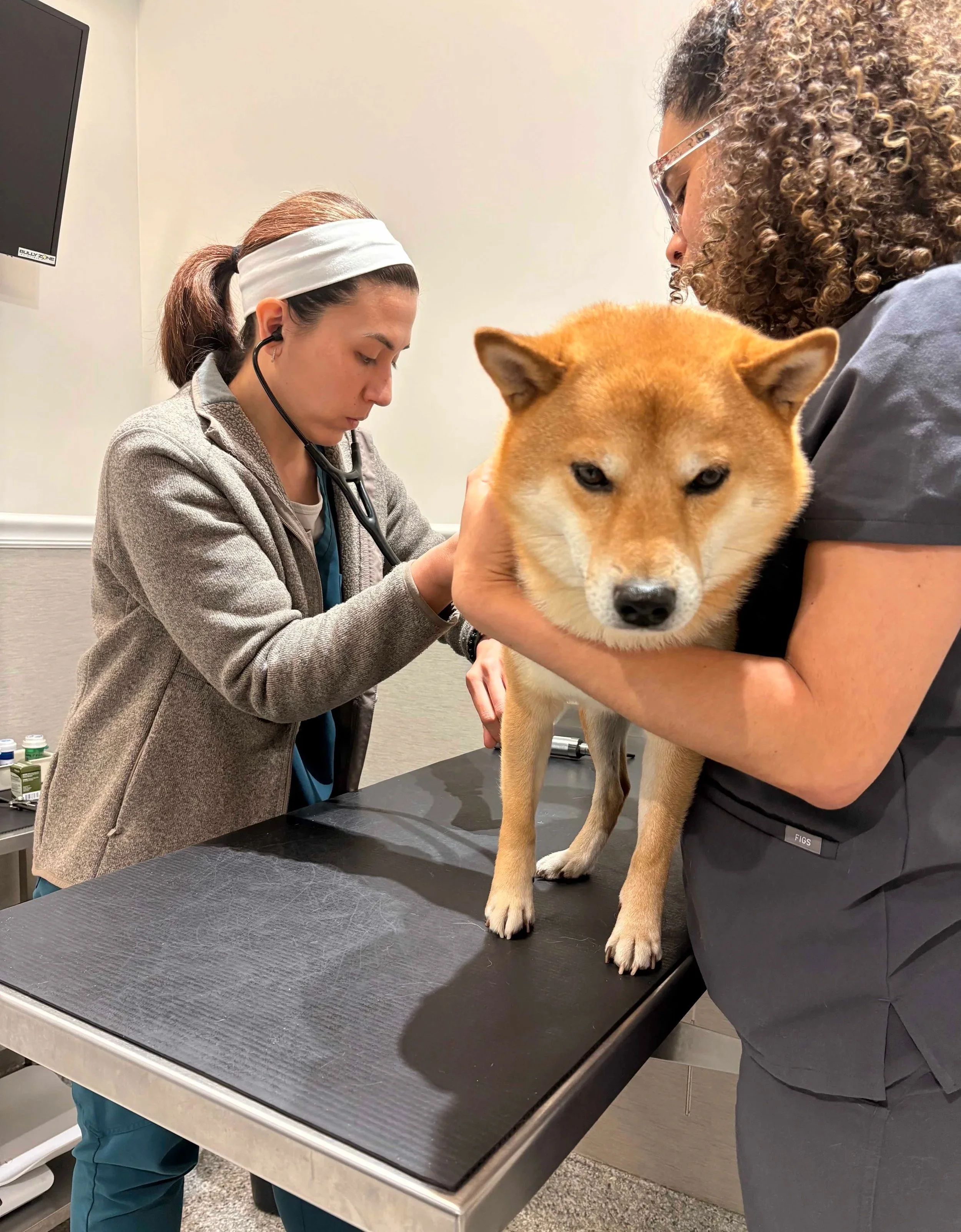
You may be wondering, "Is this serious enough for imaging?" Sometimes ultrasound is recommended after an exam because your pet has symptoms that point toward an internal problem. Other times, the recommendation comes after bloodwork, a urine test, X-rays, or another diagnostic finding raises a question that ultrasound may help clarify.
Vomiting, diarrhea, or ongoing digestive problems
Loss of appetite or unexplained weight loss
Abdominal swelling, pain, or discomfort
Changes in urination or suspected bladder concerns
Abnormal liver, kidney, or other lab values
Suspected masses, fluid, or organ changes
Pregnancy evaluation when appropriate
Follow-up on a condition that needs internal monitoring
This list is not a diagnosis, and it does not mean every pet with these signs needs an ultrasound. It does mean your pet should be evaluated. If your dog or cat is acting sick, painful, weak, bloated, unable to urinate, repeatedly vomiting, or declining quickly, schedule a sick pet visit promptly or seek emergency veterinary care if the situation appears urgent.
What an Ultrasound Tells You About Your Pet
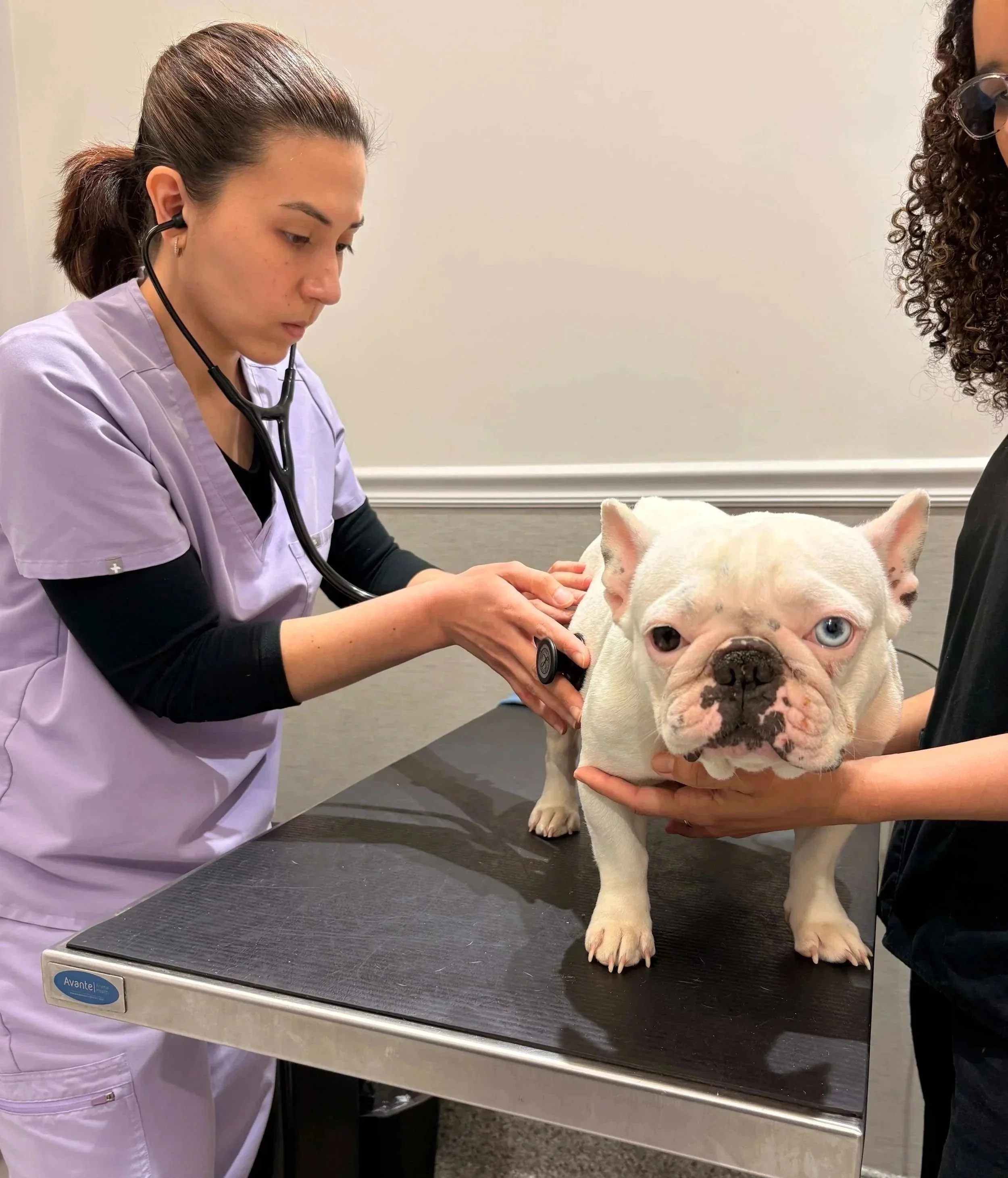
Ultrasound also has limits. It is not the right tool for every condition, and air-filled structures or bones can be difficult or impossible to assess well with ultrasound. If your pet needs another type of imaging, specialty interpretation, advanced diagnostics, or emergency monitoring, our team will explain the recommendation and help you understand the next step.
Ultrasound is often used to look at soft tissues and internal organs. Depending on the reason for the exam, our veterinarians may use ultrasound to help evaluate areas such as the liver, spleen, kidneys, bladder, stomach, intestines, reproductive tract, pregnancy-related findings, and other abdominal structures. The goal is to gather useful information, not to guess from the outside.
Has your pet had bloodwork that shows organ values outside the expected range? In some cases, pet bloodwork tells us that something needs attention, while ultrasound helps us look more closely at the area involved. Lab results and imaging often work best together because they answer different parts of the same question.
What to Expect During a Veterinary Ultrasound
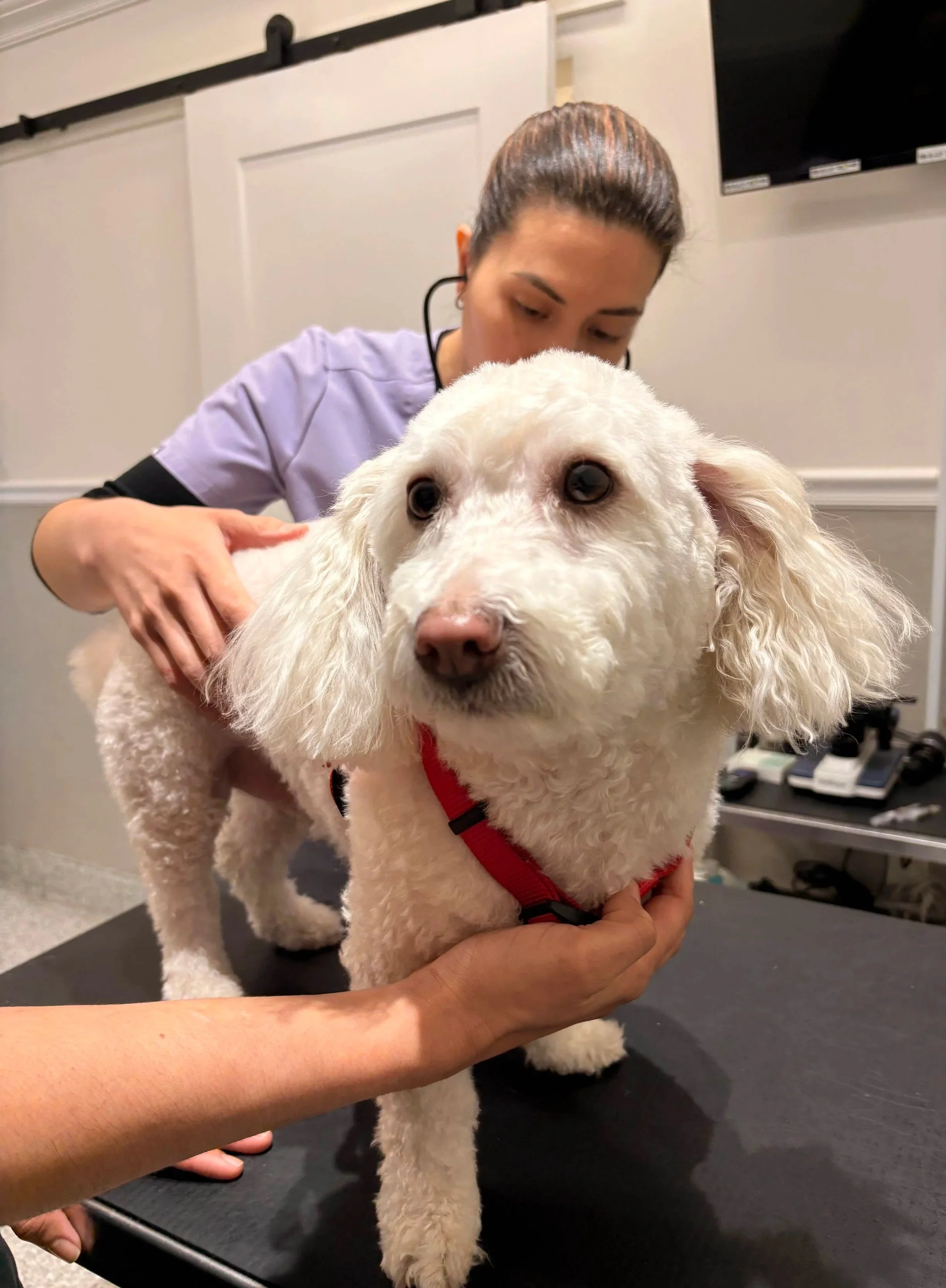
During many ultrasound exams, the pet lies on a padded surface while the veterinary team gently positions the area being evaluated. The fur over the imaging area may need to be shaved so the ultrasound probe can make proper contact with the skin. Ultrasound gel is then used to help create a clearer image.
Before your pet's ultrasound, our veterinary team will explain any preparation instructions that apply. Some pets may need a special timing plan around meals or medications, while others may not. Please follow the directions we give for your pet rather than guessing from general online advice.
Is ultrasound painful for pets? The scan itself is generally not painful, but some pets are nervous about handling, positioning, or being away from their owner. We will handle your dog or cat as calmly as possible and explain whether any additional support is recommended for your pet's comfort and safety.
After the ultrasound, our veterinarians will discuss what the findings mean in the context of your pet's exam and history. Sometimes ultrasound gives enough information to guide treatment. Sometimes it points toward additional lab testing, monitoring, referral, or a different diagnostic step.
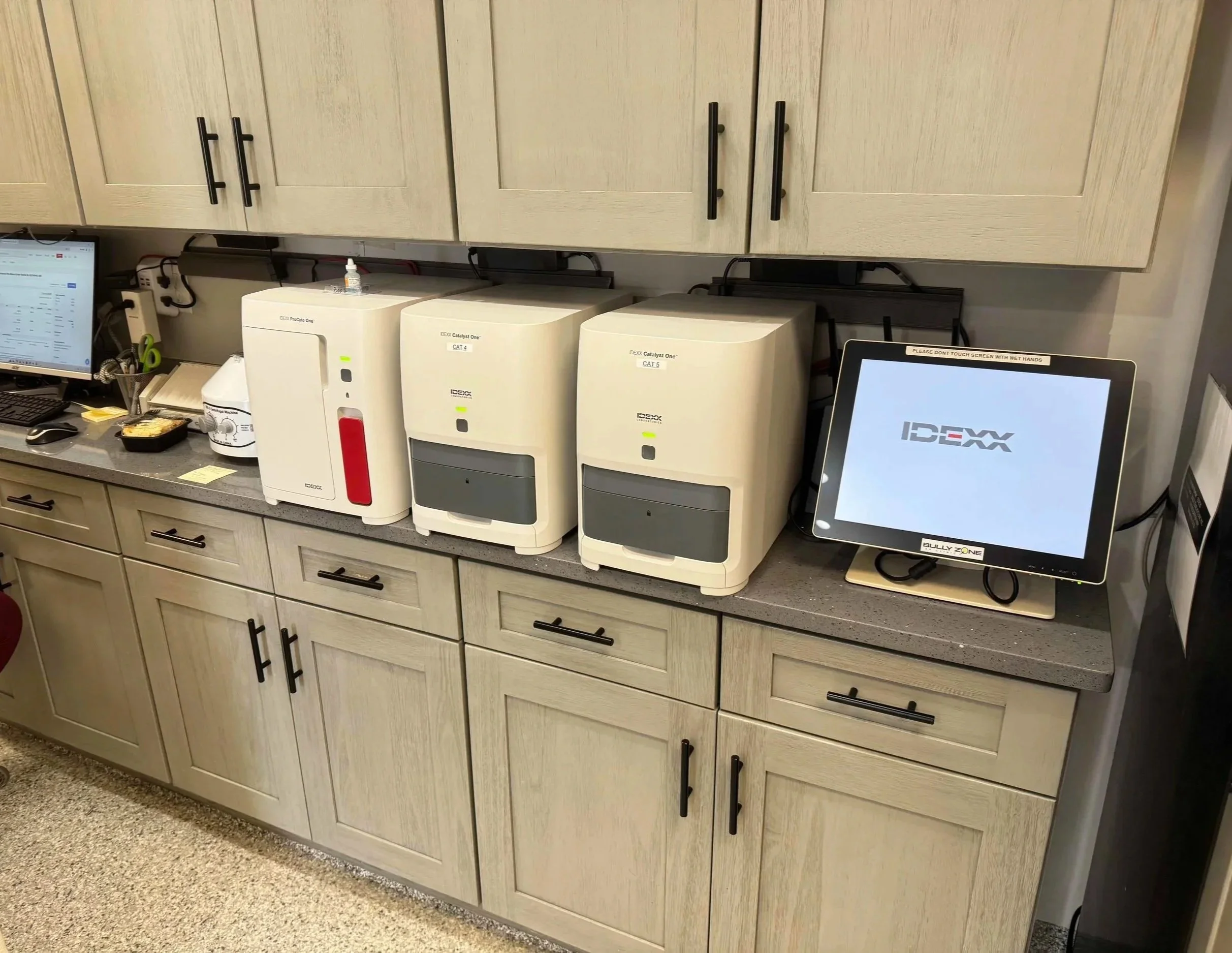
Ultrasound and Diagnostic Testing in Newark, NJ
Ultrasound is one part of diagnostic care, not a stand-alone answer for every illness. Your pet's plan may also include a physical exam, medical history review, pet bloodwork, lab testing, urine testing, fecal testing, X-rays, or follow-up exams depending on the concern.
For example, a pet with vomiting may need an exam and lab testing before imaging is recommended. A senior cat losing weight may need bloodwork, urine testing, and ultrasound considered together. A dog with abdominal discomfort may need more urgent evaluation if the symptoms suggest pain, obstruction, internal bleeding, or another serious condition.
Do you already have records from another veterinarian, emergency hospital, shelter, or rescue? Bring them with you or send them ahead of the visit when possible. Prior lab results, medication history, X-rays, and previous diagnoses can help our team avoid repeating unnecessary steps and focus the ultrasound recommendation on the question that matters most.
Veterinary Ultrasound Near Ironbound, Harrison, Kearny, Belleville, and Newark
The Veterinarian Pet Alliance is located at 1415 McCarter Highway in Newark, along the Passaic River corridor. Our animal hospital is convenient for pet owners coming from Downtown Newark, the Ironbound, the East Ward, University Heights, the North Ward, and neighborhoods near Branch Brook Park and Military Park.
Are you coming from Harrison, Kearny, Belleville, Bloomfield, East Orange, North Arlington, South Orange, or another nearby North Jersey community? If you are searching for pet ultrasound, dog ultrasound, cat ultrasound, or veterinary diagnostic imaging near Newark, our team will help you start with an exam and a practical diagnostic plan.
Local diagnostic access matters when your pet does not feel right. You should not have to piece together advice from search results while your dog is uncomfortable or your cat is hiding under the bed. Schedule a visit, bring any recent records, and we will walk through the next step with you.
Because our animal hospital is located near Route 21, McCarter Highway, and the Harrison PATH area, many pet owners choose our Newark clinic when they need a local dog ultrasound, cat ultrasound, or pet pregnancy ultrasound without traveling far from home. Bring any recent records, lab results, or previous imaging so our veterinary team can connect the ultrasound recommendation with your pet’s full medical picture.
Why Choose Veterinarian Pet Alliance for Veterinary Ultrasound?
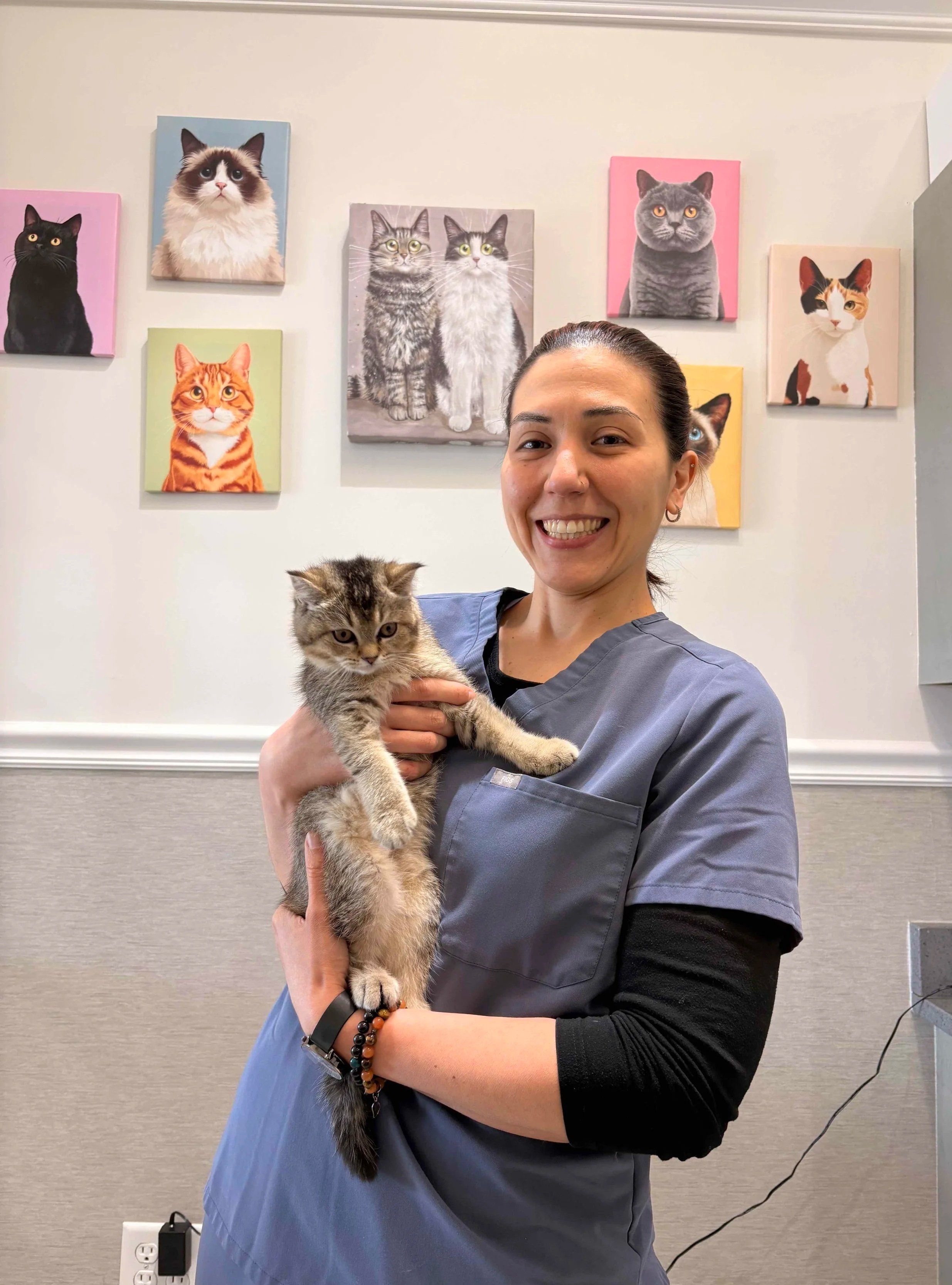
Diagnostic visits can feel stressful because you are waiting for answers. What is wrong? Is it serious? Will your pet need medication, monitoring, more testing, or referral care? Those are reasonable questions, and our veterinarians will take time to explain what we know, what we do not know yet, and why ultrasound may help.
Veterinary ultrasound for dogs and cats when medically appropriate
Clear diagnostic planning before and after imaging
Coordination with wellness exams, preventative veterinary care, sick pet visits, pet bloodwork, and lab testing
Practical guidance for next steps, follow-up care, or referral when needed
A local Newark animal hospital serving Ironbound and nearby North Jersey communities
If your pet needs answers beyond the physical exam, schedule a visit with our veterinary team. We will help you decide whether ultrasound belongs in the plan.
At the Veterinarian Pet Alliance, we connect ultrasound findings with the whole pet in front of us. That means we consider your pet's age, symptoms, exam findings, lab work, medications, lifestyle, and health history before making recommendations. Imaging is most useful when it is interpreted as part of a complete care plan.
Frequently Asked Questions About Veterinary Ultrasound
-
Veterinary ultrasound is a diagnostic imaging tool that uses sound waves to create real-time images of internal tissues and organs. Veterinarians may use ultrasound to help evaluate abdominal organs, soft tissue changes, fluid, pregnancy, urinary concerns, or other internal findings when appropriate.
-
Your pet may need an ultrasound if an exam, symptoms, bloodwork, urine testing, X-rays, or medical history suggests that internal evaluation would help guide the care plan. An exam is needed first so our veterinarians can decide whether ultrasound is appropriate or whether another diagnostic step should come before imaging.
-
Yes. Veterinary ultrasound may be recommended for dog or cat pregnancy checks when the timing and exam findings make it appropriate. A pregnancy ultrasound can help our veterinarians look for signs of pregnancy and discuss next steps for care, monitoring, nutrition, and follow-up. It should not be treated as a guaranteed puppy or kitten count, exact due-date calculation, or full substitute for veterinary pregnancy care.
-
The ultrasound scan itself is generally not painful. Some pets may feel nervous about positioning, shaving, gel, or gentle handling during the exam. Our veterinary team will work to keep your pet as comfortable as possible and explain any special handling or support that may be recommended.
-
Many pets need the fur over the ultrasound area shaved so the probe can make close contact with the skin and produce clearer images. If shaving is needed, our team will explain the area involved and why it helps the ultrasound exam.
-
Many ultrasound exams do not require anesthesia, but every pet is different. Some pets may need additional support if they are very anxious, painful, restless, or if a more involved procedure is recommended. Our veterinarians will explain what is appropriate for your dog or cat.
-
An abdominal ultrasound may help evaluate organs such as the liver, spleen, kidneys, bladder, stomach, intestines, and reproductive tract. It may also help identify changes such as fluid, masses, or organ abnormalities. Ultrasound findings must be interpreted alongside the exam, history, and any lab testing.
-
No. Ultrasound and lab testing answer different questions. Bloodwork can provide information about organ function, infection, inflammation, hydration, anemia, and other internal changes, while ultrasound helps visualize structures inside the body. Many pets benefit from both when a diagnostic concern is more complex.
-
Follow the preparation instructions provided by the Veterinarian Pet Alliance. Depending on the reason for the ultrasound, we may give guidance about food, water, medications, arrival timing, or previous records. Do not stop medications or fast your pet unless our veterinary team tells you to.
-
Yes. The Veterinarian Pet Alliance provides veterinary ultrasound in Newark, NJ, for dogs and cats when imaging is appropriate. Our animal hospital serves pet owners from Ironbound, Downtown Newark, Harrison, Kearny, Belleville, Bloomfield, East Orange, North Arlington, and nearby North Jersey communities.