
Pet Eye Care & Ophthalmic Care for Dogs and Cats in Newark, NJ
Pet eye care & ophthalmology for red, irritated, or infected eyes in dogs and cats.
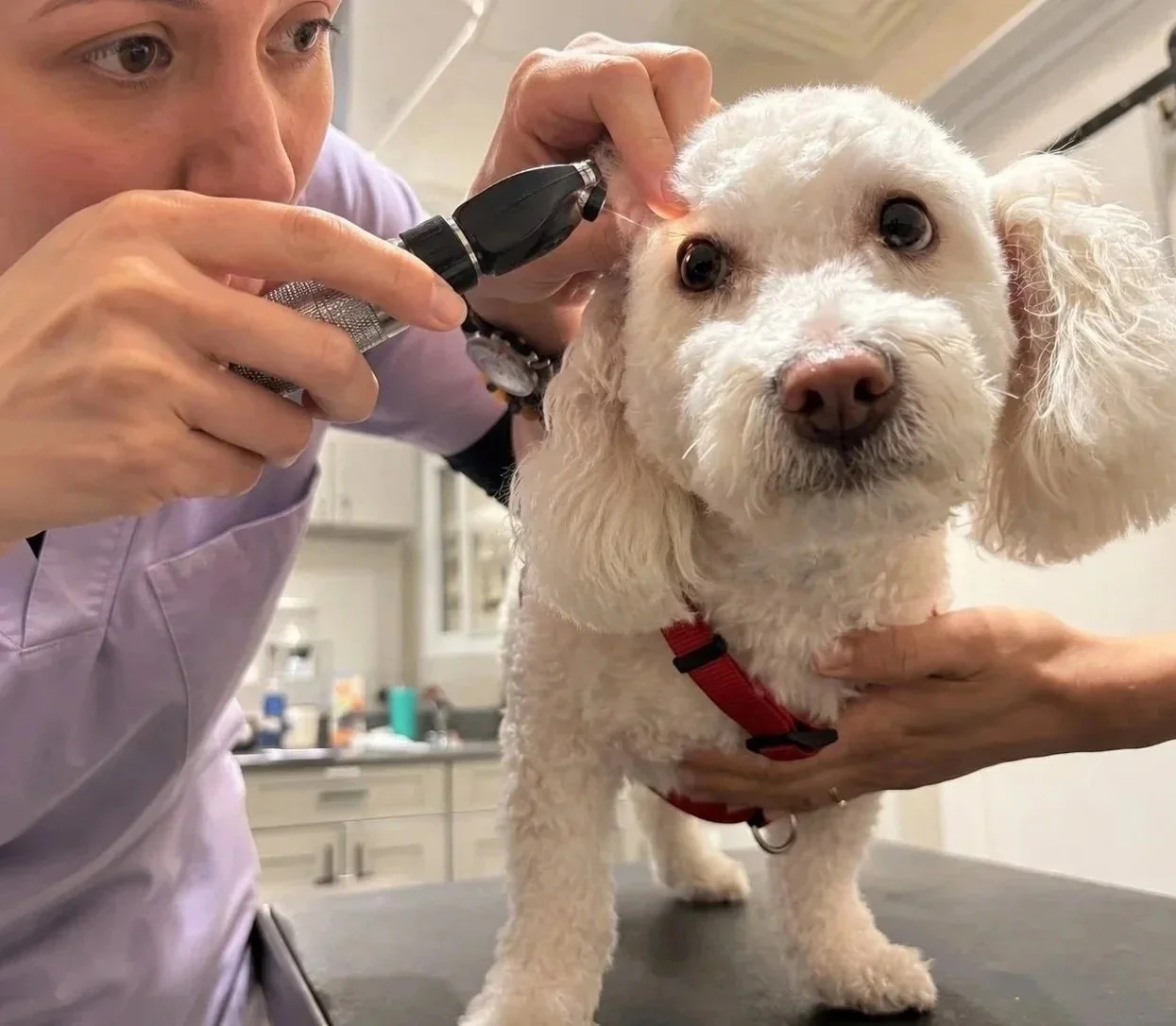
Veterinarian Pet Alliance provides pet eye care for dogs and cats in Newark, NJ. We help pet owners from Ironbound, Harrison, Kearny, Belleville, Bloomfield, East Orange, North Arlington, South Orange, and nearby North Jersey communities understand what may be causing their pet’s eye symptoms and what to do next.
Is your dog or cat squinting, rubbing their eye, or dealing with redness, swelling, or discharge? Eye infections and eye irritation can be uncomfortable, and they are not always easy to tell apart at home. The safest next step is to have a veterinarian examine the eye, identify the cause, and recommend the right treatment.
Some eye issues are mild. Others can become painful or more serious quickly. If your pet’s eye looks irritated, swollen, cloudy, or suddenly different, it is worth having a veterinarian take a look.
What Could Be Going On With Your Pet’s Eye?
Eye symptoms can happen for many reasons. A red, watery, or irritated eye may be caused by allergies, infection, trauma, dry eye, eyelid problems, conjunctivitis, or a scratch on the surface of the eye.
During a pet eye care visit, our Newark veterinary team may look for signs of inflammation, discharge, corneal irritation, changes in tear production, swelling, pain, light sensitivity, or changes in vision and behavior.
Dogs and cats cannot tell us when their eyes hurt. That is why a hands-on veterinary exam matters. What looks like “just a red eye” at home may need medication, monitoring, additional testing, or referral depending on what the veterinarian finds.
This type of ophthalmic care helps us determine whether your pet has a minor irritation or something that needs more urgent attention.
Eye Infection Treatment for Dogs and Cats
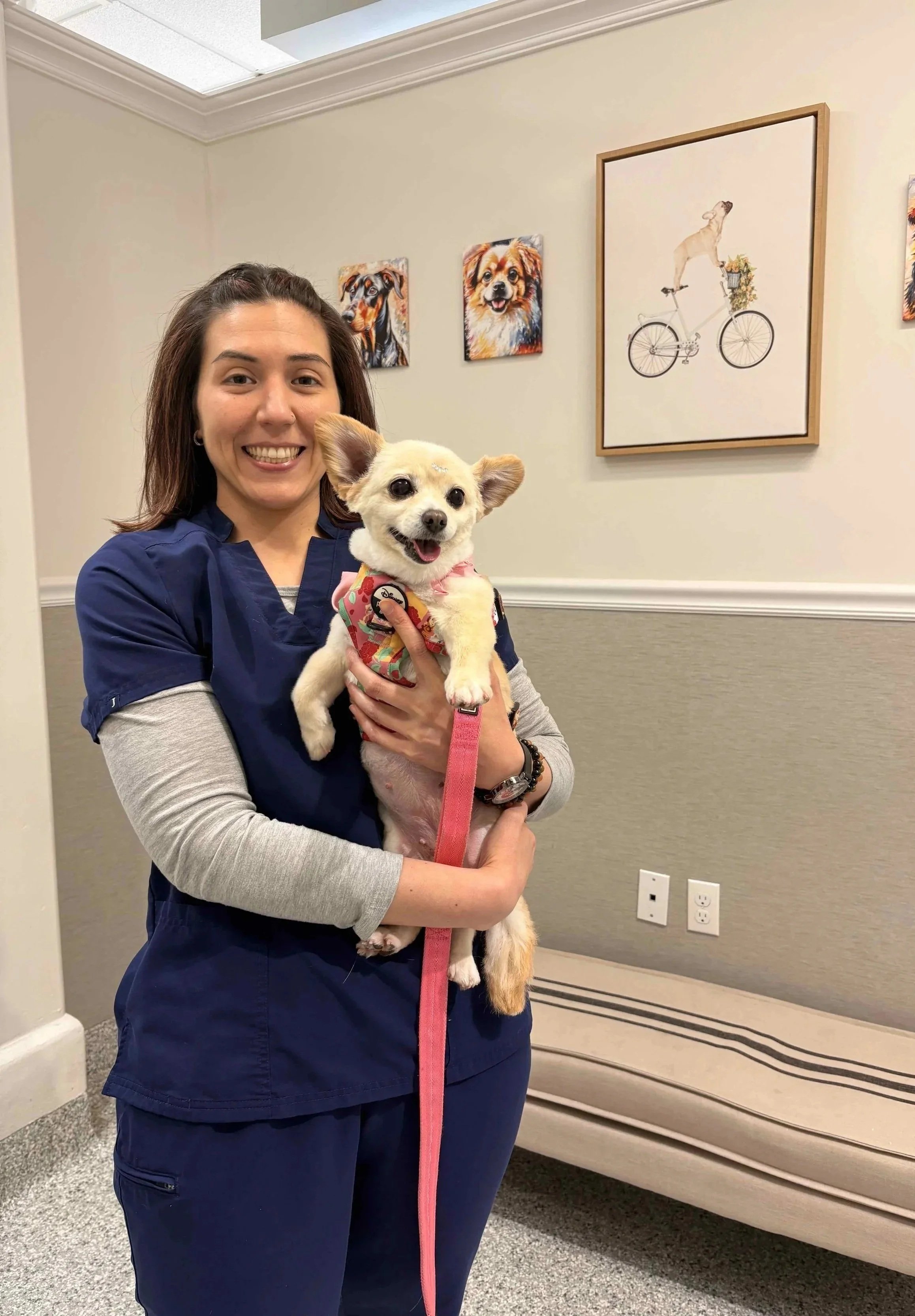
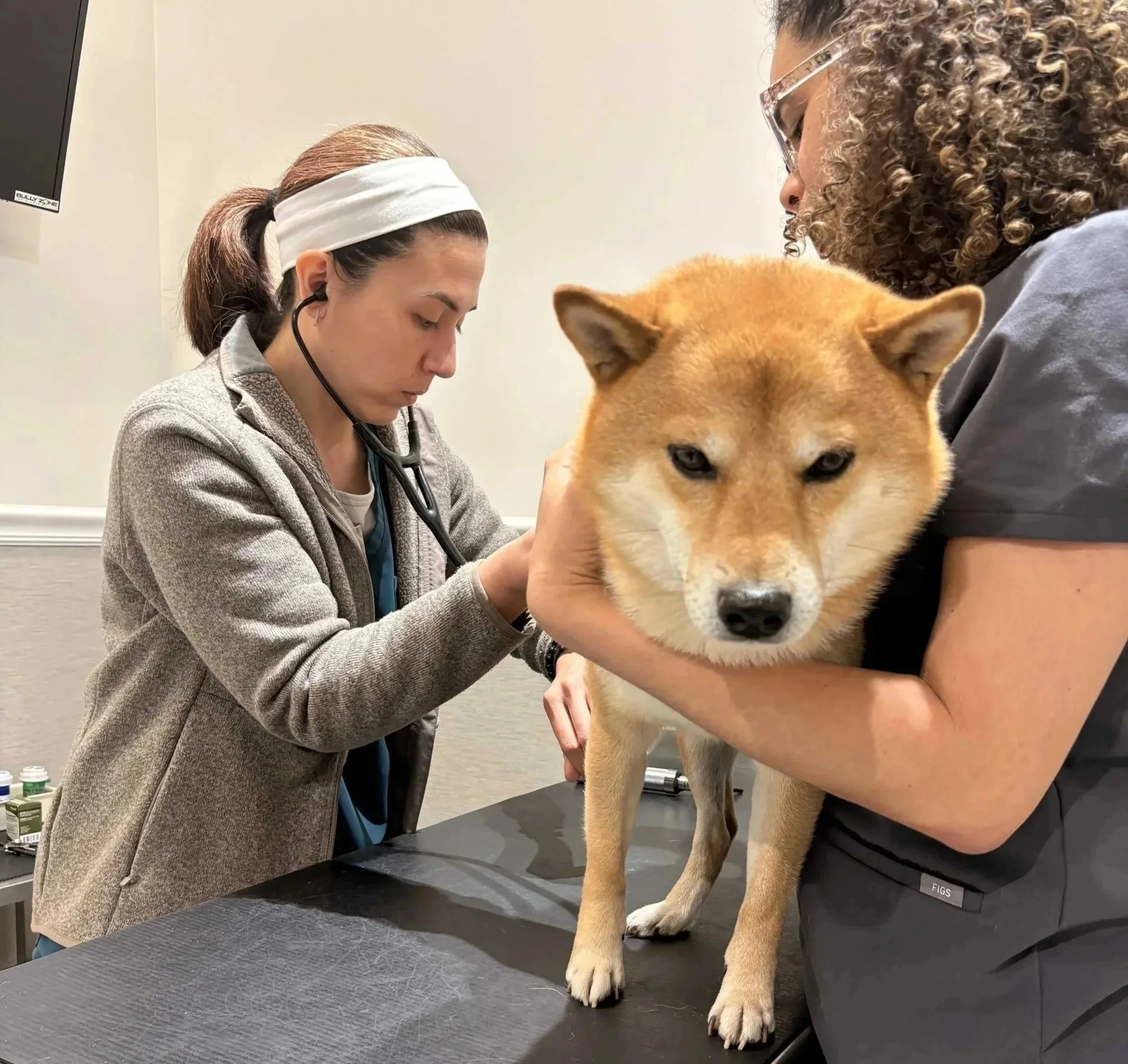
For dogs, eye infection treatment may involve checking for scratches, allergies, dry eye, debris, eyelid irritation, or infection. For cats, eye discharge and redness can sometimes be connected to conjunctivitis, irritation, or upper respiratory symptoms. During the visit, our Newark veterinary team can examine your pet’s eye, identify the problem, and recommend treatment based on what we find.
Pet eye infection treatment starts with figuring out what is actually causing the symptoms. Thick discharge, watery eyes, crusting, swelling, redness, and blinking can all look like an infection, but the underlying cause is not always the same.
For some pets, the issue may be bacterial irritation or conjunctivitis. For others, it may be allergies, dry eye, trauma, eyelid irritation, or an upper respiratory issue. Cats, in particular, can develop eye symptoms along with sneezing or nasal discharge.
Please do not use leftover eye drops or human eye medication unless a veterinarian specifically instructs you to do so. Some products can make certain eye problems worse, especially if the cornea is injured.
Conjunctivitis, Corneal Ulcers, and Dry Eye in Pets
Are your pet’s eyes red, irritated, or painful? The usual culprits are conjunctivitis, a corneal ulcer, or dry eye.
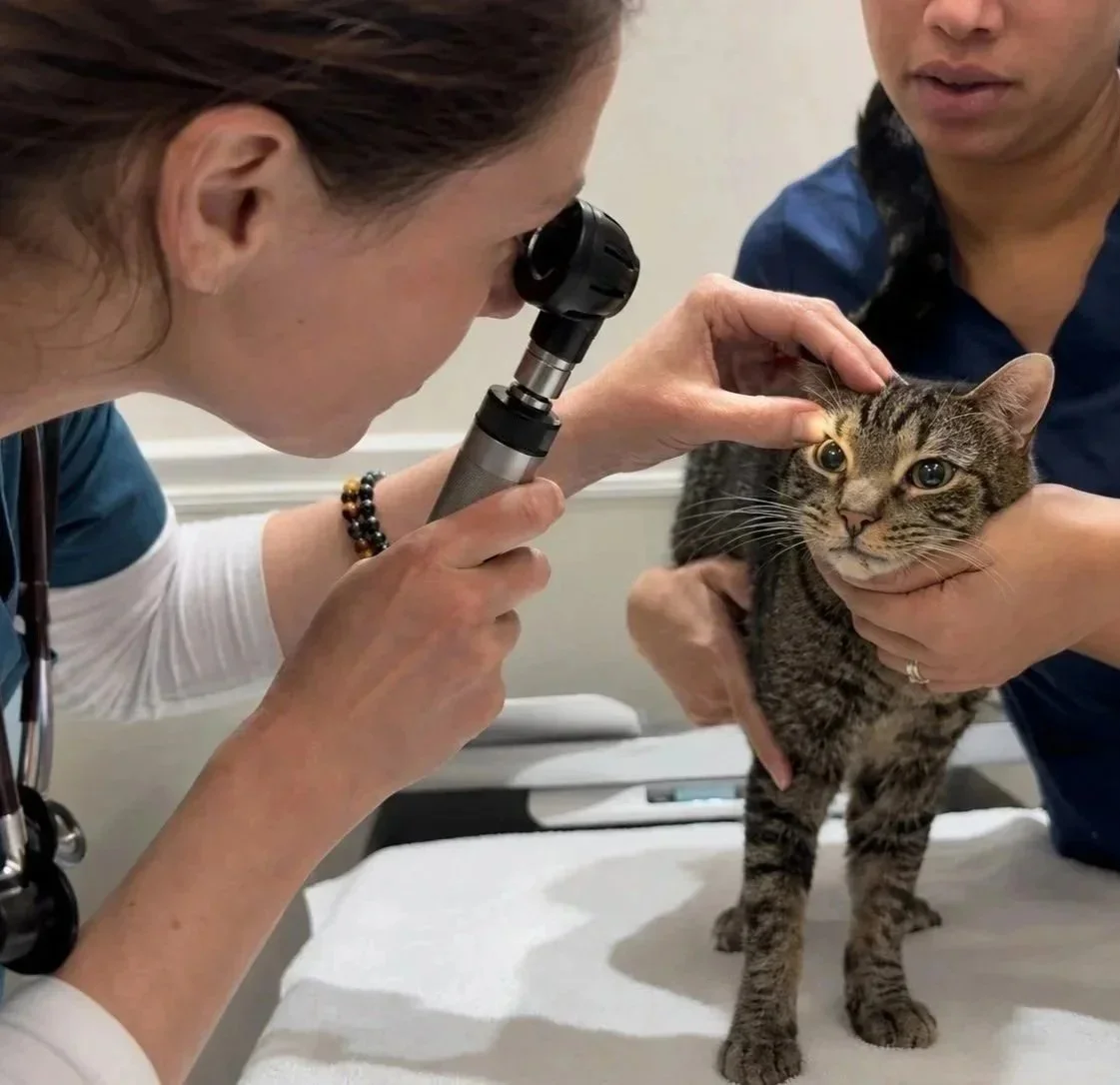
Our Newark veterinary team will examine your pet’s eyes, look for signs of pain or corneal damage, and figure out the best next steps for your pet, based on what we find.
Conjunctivitis is inflammation around the eye and eyelids. Pet owners often notice redness, discharge, swelling, blinking, rubbing, or a generally irritated-looking eye. Conjunctivitis treatment depends on the cause, which may include infection, allergies, irritation, eyelid problems, or other underlying health concerns.
A corneal ulcer is a scratch or wound on the surface of the eye. It can be painful. Dogs and cats may squint, tear, rub the face, avoid bright light, or keep the affected eye closed. Corneal ulcer treatment depends on the severity of the injury. Some ulcers are straightforward. Others can become serious quickly.
KCS stands for keratoconjunctivitis sicca, commonly called dry eye. KCS treatment may be needed when the eye does not produce enough healthy tears. Dry eye can cause redness, thick discharge, squinting, irritation, dull-looking eyes, and recurring eye problems.
Need Pet Ophthalmic Care & Eye Care for Your Dog or Cat in Newark, NJ?
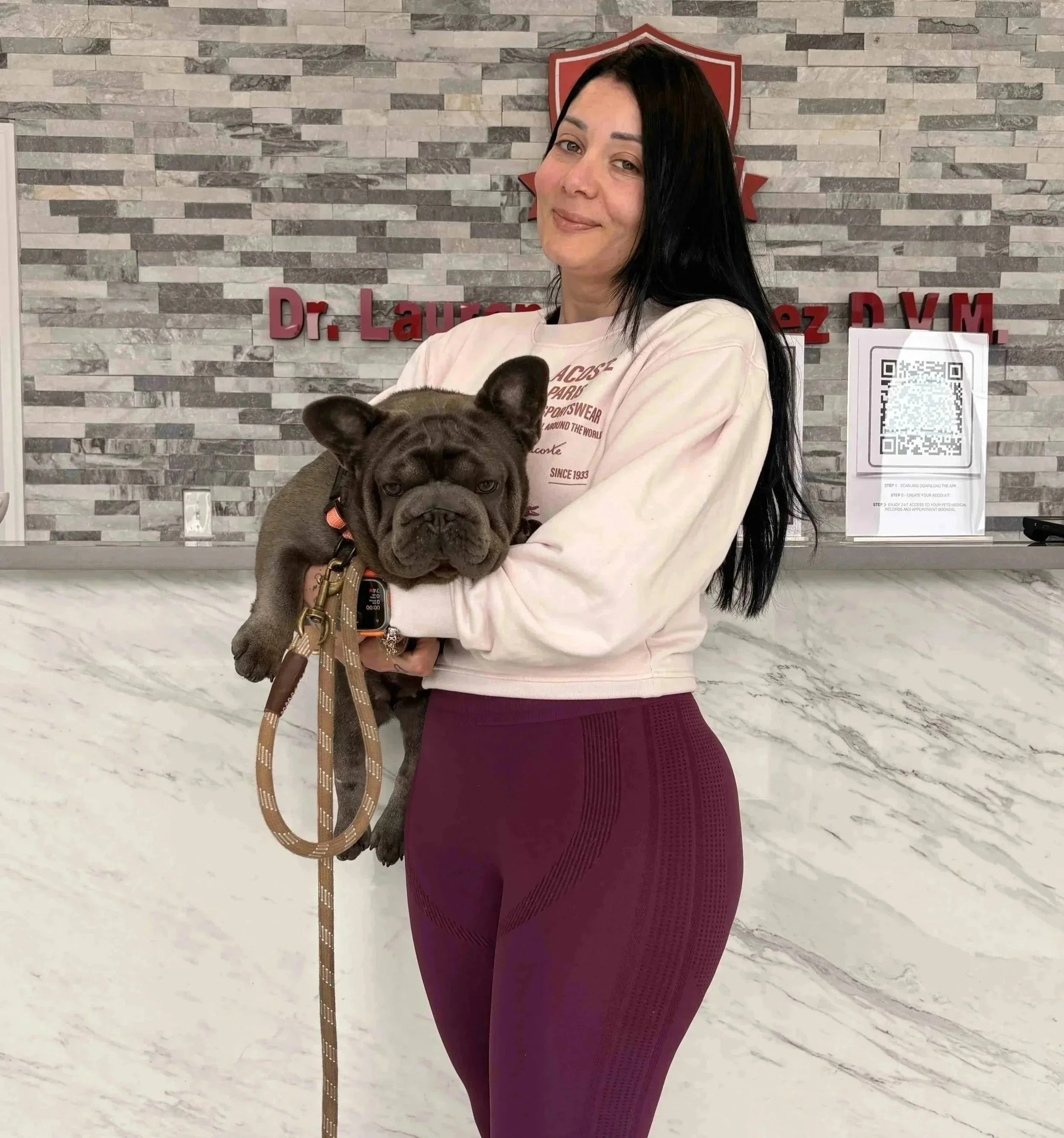
Eye problems can be stressful because they often look worse fast. If your dog or cat is squinting, rubbing their face, blinking more than usual, or has redness, swelling, discharge, cloudiness, or signs of pain, it is best to have the eye checked.
Our Newark veterinary team will help you determine whether your pet’s eye issue is related to irritation, infection, conjunctivitis, dry eye, a corneal ulcer, or another concern. From there, we will walk you through the next step and discuss treatment options before moving forward.
Veterinarian Pet Alliance is located on McCarter Highway in Newark, NJ, convenient to Ironbound, Harrison, Kearny, Belleville, East Orange, Bloomfield, North Arlington, South Orange, and nearby North Jersey communities.
Pet Ophthalmology Eye Care Near Newark, Ironbound, Harrison, Kearny, and Belleville, NJ
Pet eye problems can happen anywhere. A dog may get irritation after a walk near Military Park, Riverfront Park, Branch Brook Park, or Weequahic Park. A cat in an apartment near Newark Penn Station may suddenly develop discharge. A puppy in Belleville or Kearny may start squinting after rough play.
Unfortunately, it is not always obvious what caused the problem, but our veterinary team will take the necessary steps to diagnose and remedy your pet’s eye issues.
The Veterinarian Pet Alliance is less than a 10 minute drive from the Ironbound, Harrison waterfront, Kearny Avenue, Belleville Turnpike, Branch Brook Park, Prudential Center, Newark Broad Street Station, and Rutgers University–Newark. Wherever you are coming from around Newark, our team will assess your pet’s eye and help you understand the next step.
Frequently Asked Questions About Pet Eye Care & Ophthalmology for Dogs and Cats
-
Signs your pet may need an eye exam include redness, squinting, discharge, cloudiness, swelling, pawing at the eye, keeping one eye closed, rubbing the face, or acting sensitive to light. Sudden eye changes should be checked by a veterinarian.
-
Yes. Veterinarian Pet Alliance provides ophthalmic care for dogs and cats in Newark, NJ. This includes evaluation of common eye concerns such as redness, discharge, irritation, conjunctivitis, possible eye infections, dry eye symptoms, and corneal irritation.
-
Yes. We provide pet eye infection treatment for dogs and cats. Our veterinarian can examine your pet’s eye, look for possible causes, and recommend treatment based on the diagnosis.
-
Yes. Veterinarian Pet Alliance offers dog eye infection treatment in Newark, NJ. If your dog has redness, discharge, swelling, squinting, or eye discomfort, our team can evaluate the eye and recommend next steps.
-
Yes. We provide cat eye infection treatment in Newark, NJ. Cat eye symptoms may be related to infection, conjunctivitis, irritation, or upper respiratory issues, so a veterinary exam is important.
-
Conjunctivitis treatment helps address inflammation around the eye and eyelids. In dogs and cats, conjunctivitis may cause redness, discharge, swelling, blinking, or rubbing. Treatment depends on the underlying cause.
-
Corneal ulcer treatment is care for a wound or scratch on the surface of the eye. Corneal ulcers can be painful and may cause squinting, tearing, redness, cloudiness, or light sensitivity. Some corneal ulcers need prompt treatment or referral.
-
KCS treatment is care for dry eye, also called keratoconjunctivitis sicca. KCS can cause redness, thick discharge, irritation, and recurring eye problems. Many pets need ongoing management to keep the eye comfortable.
-
No. Do not use leftover eye drops or human eye medication unless a veterinarian specifically tells you to. Some medications can make certain eye conditions worse, especially if there is a corneal ulcer or injury.
-
Veterinarian Pet Alliance provides veterinary eye care and ophthalmic care for many common pet eye concerns. For advanced ophthalmology for pets, complicated eye disease, or specialist-level care, we may recommend referral to a veterinary ophthalmologist.